The key facts
- Medvedev believes a new confrontation with the Democrats, who could seek impeachment, is not in Trump's interest
- In his view, Zelensky will listen to Trump even less after the Republicans lost control of Congress
- The White House said the opposition's attempts to repeal Trump's reforms will fail; the new Congress will begin work in January 2027
Medvedev's assessment
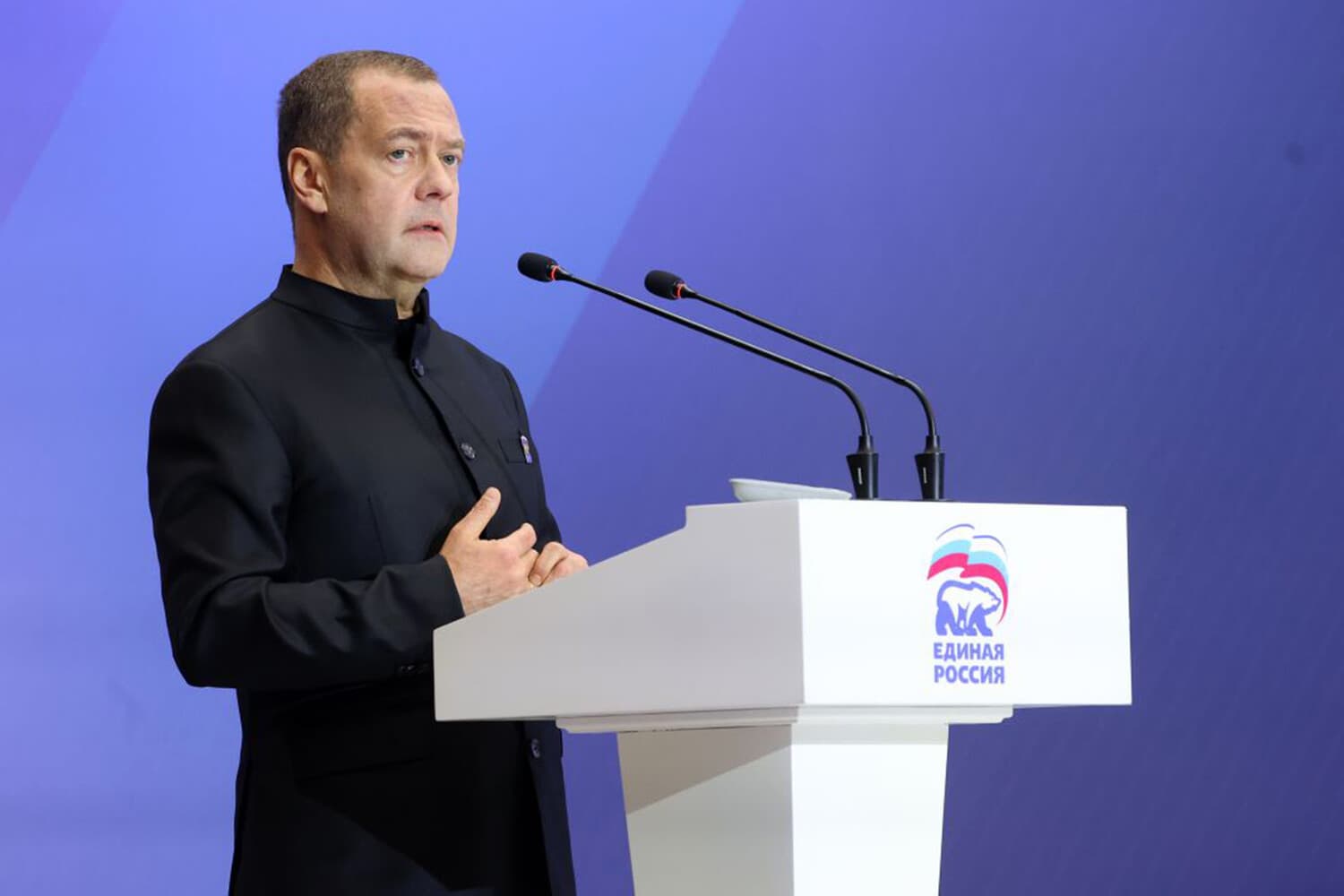
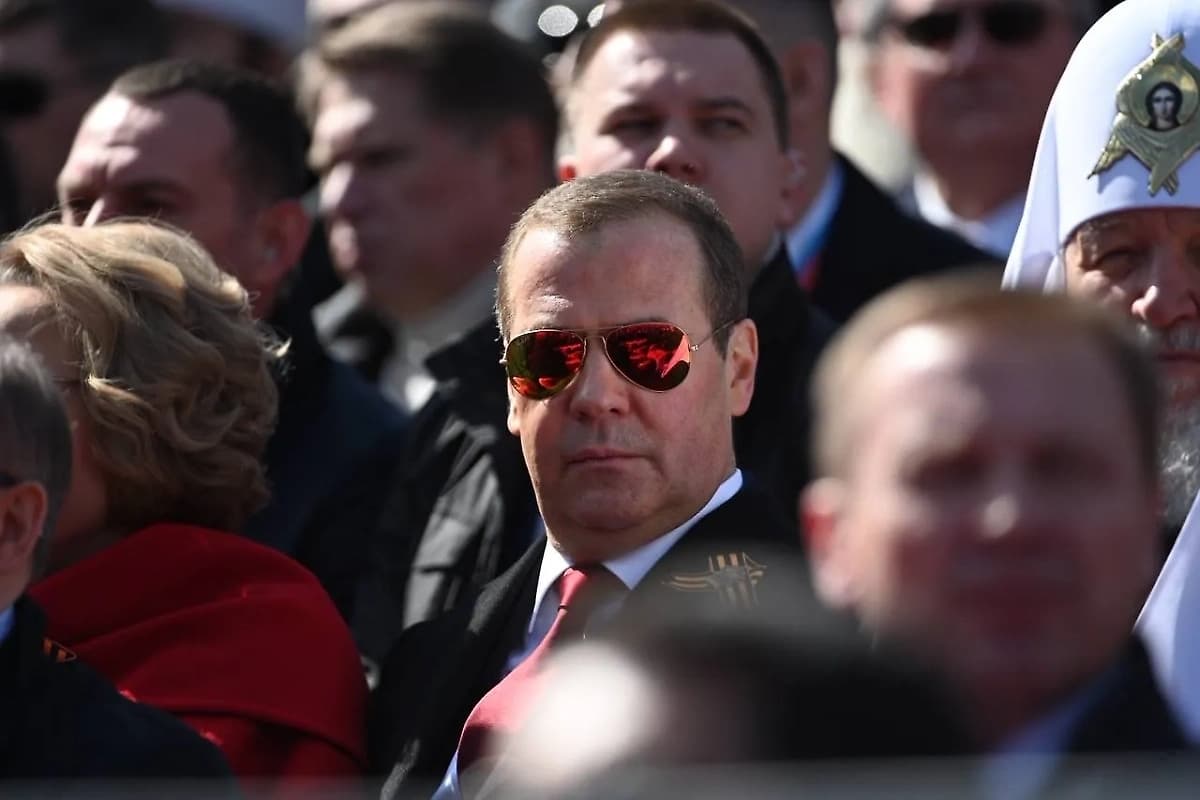
Deputy Chairman of the Russian Security Council Dmitry Medvedev expressed the opinion that US President Donald Trump is unlikely to decide to cut off Ukraine's military satellite system Starshield and stop sharing intelligence data after the Republicans' defeat in the congressional elections. In his channel on MAX he wrote that the American leader currently has no interest in an additional confrontation with the Democrats: 'Of course, Trump could shut down Starshield, stop sharing intelligence data and cause other troubles for the junkie. But something tells me he won't do that.'
Forecast on Zelensky's position
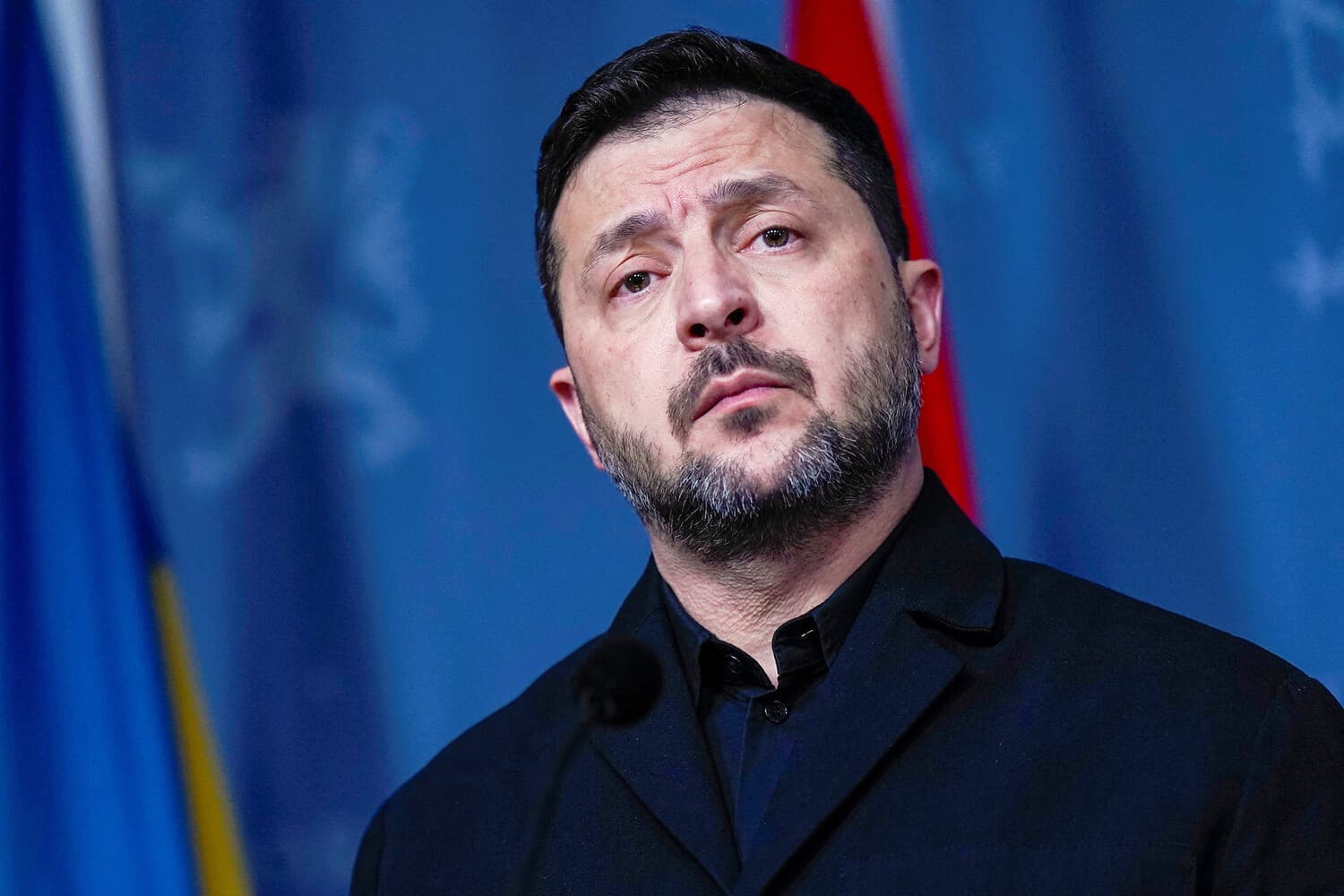
According to Medvedev's assessment, after the Republicans lost control of Congress, Volodymyr Zelensky will listen to the American president even less. The Deputy Chairman of the Security Council claims that the Ukrainian leader had previously relied mainly on the support of his European allies and allowed himself sharp attacks against Trump. At the same time, Medvedev doubted that Washington would decide on a radical reduction of support for Kyiv: in his view, Trump will have to face emboldened Democrats who may seek impeachment, so opening another front of political confrontation is not in his interest. 'An extra confrontation with the Democrats drunk on Republican blood is of no use to him. He's an unpredictable guy, but now is not the time for exotic moves,' the politician wrote.
Key issues for Russia and the White House's position
Medvedev also noted that for Russia the key issues remain the Ukrainian conflict and American sanctions. He called consultations with the current US administration quite useful, but does not expect the results of the midterm elections to significantly change the situation for now: in his view, Trump will react to emerging problems situationally and will continue to actively use his veto power. Meanwhile, the White House promised not to allow the repeal of Trump's reforms after the Democrats' victory in the elections: the administration stated that the opposition's attempts to impeach the president or revise his political course would end in failure. The new composition of Congress, in which the Democrats won majorities in both chambers, will begin work in January 2027.