The key facts
- Luxembourg's administrative court overturned the finance ministry's decision of 26 September 2023 refusing to unblock the assets
- The court held that a 'payment' may include the return of securities to their lawful owners
- The ruling does not mean the automatic unfreezing of all assets of Russian investors in the EU
The court sided with the Russian company
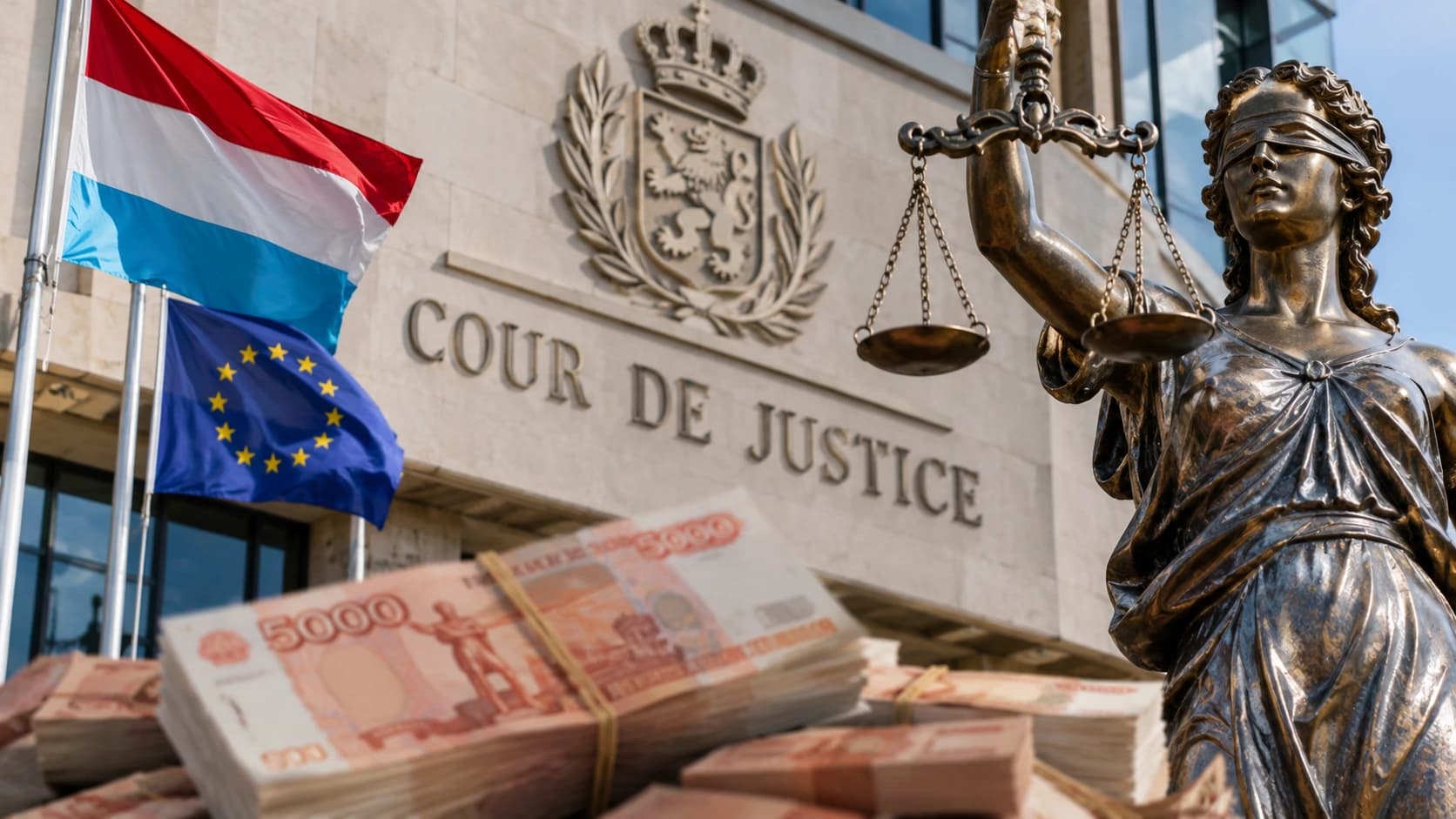
Luxembourg's administrative court overturned a decision by the local finance ministry, under which the Russian company and its clients were refused the unfreezing of securities and funds frozen after the National Settlement Depository (NSD) was added to the EU sanctions list in June 2022. 'The ministerial decision of 26 September 2023 is to be annulled,' the court's ruling states, as cited by Life.ru.
The essence of the dispute and the parties' arguments
The dispute arose after the Russian company demanded permission to transfer assets belonging to it and its clients that had been blocked in Luxembourg. The finance ministry refused, reasoning that the exemption from the freezing regime provided for under European legislation allows only monetary payments, not the return of securities. The court disagreed with this interpretation and indicated that, in this case, the concept of a payment may also include the return of securities to their lawful owners. The court separately noted that at the time of the finance ministry's decision in September 2023, neither the company itself nor its clients were under personal EU sanctions.
What the ruling changes and what it does not
The outlet notes that the ruling could potentially be used in other disputes involving asset owners who are not themselves under restrictions but lost access to their investments due to the sanctions against NSD. At the same time, the decision concerns a specific case and does not mean the automatic unfreezing of all assets of Russian investors in Luxembourg or other EU countries. A mechanism for such unfreezings has long existed: back in 2022, the European Union provided for the possibility for competent authorities of EU member states to unfreeze NSD-related assets of Russian investors in order to complete previously concluded transactions. In addition, in June, the EU Court, in a separate lawsuit brought by NSD itself against the Council of the European Union, upheld the sanctions against the depository but stated that the exemptions from them should allow national authorities to unfreeze assets in order to return clients their securities — the Luxembourg ruling effectively develops precisely this approach at the national court level.