The key facts
- Kurenkov invited Putin to visit the facility near Kazan; no dates for the visit were given
- The center opened on September 4 with the participation of Rustam Minnikhanov
- The facility's fire and rescue unit serves 12 settlements with a population of about 20 thousand people
Invitation at a meeting with the government
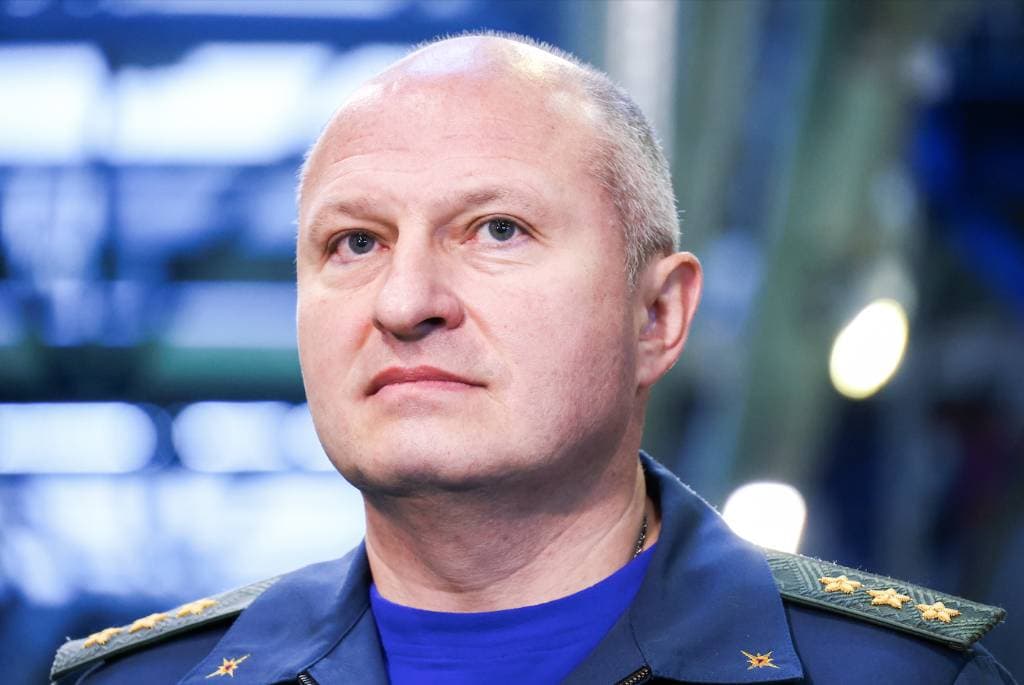
Head of the Russian Emergencies Ministry Alexander Kurenkov invited President Vladimir Putin to personally visit the new training facility near Kazan. The invitation was made at a meeting between the head of state and members of the government: 'Vladimir Vladimirovich, if your work schedule allows, it would be an honor for us to present the capabilities of this facility to you directly on site,' Life.ru quotes the minister as saying. No possible dates for the visit have been reported yet.
What is known about the complex itself
The center opened on September 4 with the participation of the head of Tatarstan, Rustam Minnikhanov. According to Kurenkov, it is the first training facility of this level in Russia: at its grounds, rescuers can practice firefighting, emergency response, searching for people under rubble and other scenarios without danger to the participants. A separate area is fire and rescue sport with specialized sports infrastructure.
Practical significance for the district
In addition to training rescuers, the facility includes a fire and rescue unit serving 12 settlements of the Laishevo district of Tatarstan with a population of about 20 thousand people; the unit has already received new equipment. This means the complex operates not only as a training center but also as a real emergency services unit for district residents. The ministry views the Kazan project as a foundation for developing a network of modern training centers across the country.
Context
Earlier, Life.ru reported that Putin signed a decree on a new staffing level for the Russian Emergencies Ministry: the maximum number of staff positions for the agency will be 307,944. The ministry's structure includes rescue formations, the federal fire service, state civil servants and other employees.