The key facts
- Marta Kos held her first high-level meeting with the Student List, which won the elections in Serbia
- EU enlargement was postponed as a topic: irregularities at polling stations are delaying the final election results
- Edi Rama considers it unlikely that the new Serbian government will recognise Kosovo
First meeting with the European Commission
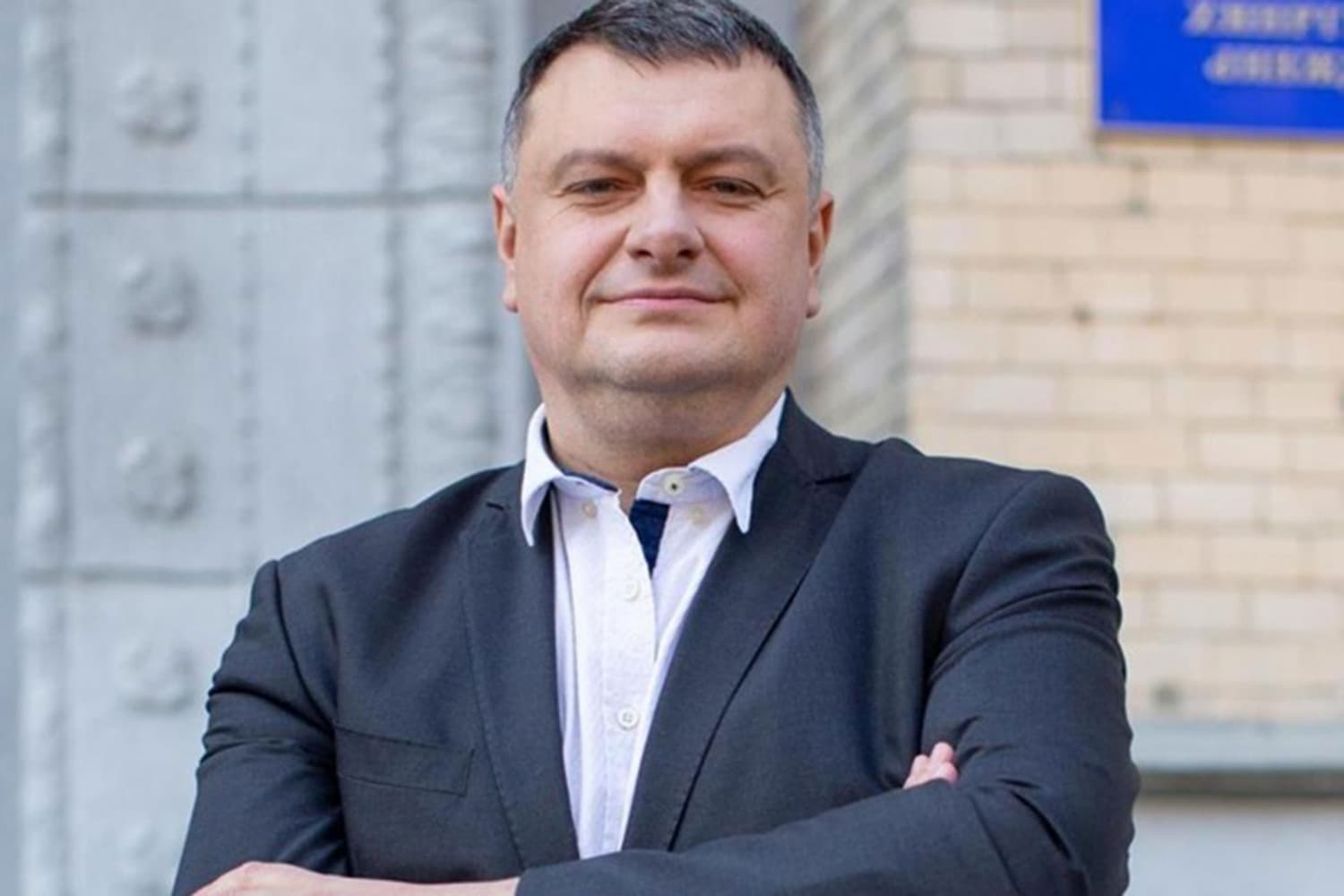
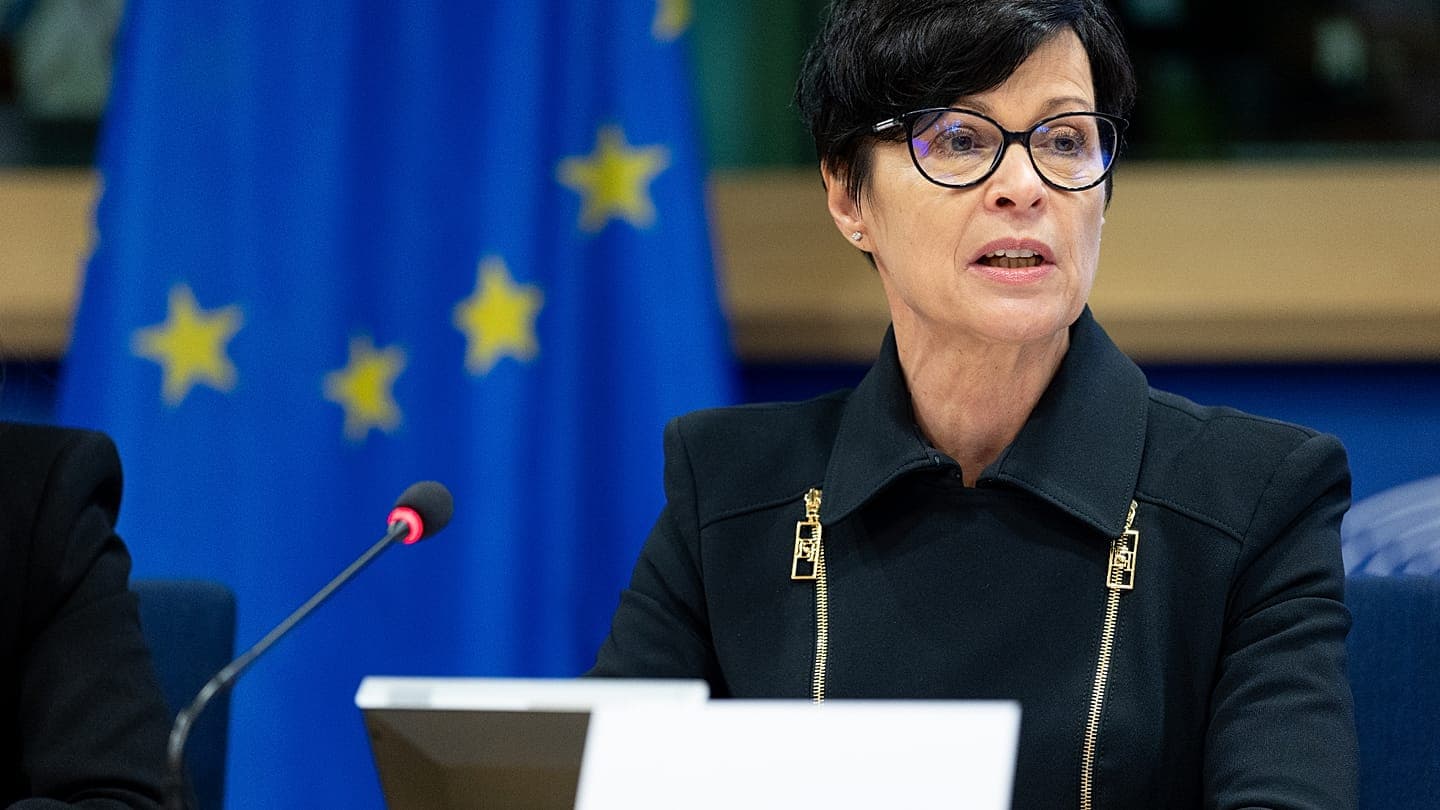
Representatives of Serbia's Student List, which won last year's elections, held their first high-level meeting with an EU official in Brussels. EU Enlargement Commissioner Marta Kos received a four-member delegation on Monday at her own invitation, Euronews reported. According to the Commission, the party met with no other commissioner that day.
What was discussed: domestic affairs instead of enlargement
The conversation focused on domestic matters rather than Serbia's EU accession. The reason is practical: irregularities at a number of polling stations are delaying the final certification of the election results and, consequently, the formation of a new government. The Student List has not yet settled on its leadership or government programme, so the delegation appeared as a group, and the Commission declined to name the meeting's participants.
What is known about the election winners
The movement grew out of months of student protests following the collapse of a concrete canopy at the Novi Sad railway station, which killed 16 people; the disaster sparked accusations of corruption and negligence under the rule of the Serbian Progressive Party (SNS). In the elections, the list — made up of political newcomers: professors, doctors and students — won an absolute majority in parliament, ending 14 years of SNS rule. According to the delegates, they are focused on restoring the rule of law and democracy — 'for Europe, but above all for their own people.'
Brussels' position and the report's limitations
For Brussels, the change of power in Belgrade, as Euronews wrote back in October, raises hopes of a 'reset' in relations with the most influential country in the Western Balkans. 'Serbia has a chance for a new beginning… to strengthen democratic institutions and fundamental rights and to take the necessary steps to advance along the accession path,' Kos told members of the foreign affairs committee on Wednesday. She confirmed that the meeting took place during the week in which the Commission was finalising its annual assessment of candidate countries. The report itself points to negative trends in fundamental rights and persistent anti-EU rhetoric from the Serbian authorities, but its reporting period ended before the elections and does not reflect the outcome.
Kosovo remains a stumbling block
A key issue in relations with the bloc — recognition of Kosovo — remains open. Albanian Prime Minister Edi Rama warned in an interview with Euronews that the new Serbian leadership is unlikely to recognise Kosovo's independence. According to Kos, the protesters want the same things the EU demands of Serbia: fighting corruption, free and independent media and judiciary, good-neighbourly relations and a strategic orientation towards the Union.
What comes next and the first signs of change
Beyond forming a government, the Student List faces another test — presidential elections, which must be held by the end of December. Signs of political upheaval are already visible: the head of the public broadcaster RTS has resigned, senior police officials have been arrested, and a bank believed to be linked to the SNS circle has had its operating licence revoked.