The key facts
- EU Court: CBD products without authorization as a “novel food” cannot be certified as organic
- The restriction also applies to export products, but not to hemp seeds and ordinary hemp oil
- The dispute returns to France's Council of State for consideration
What the court decided
The Court of Justice of the European Union ruled on Thursday, that food products containing cannabidiol (CBD) cannot receive organic certification until they are officially authorized for sale in the EU. In the court's view, the organic label could mislead buyers by creating the impression that such products are approved for sale. “Such certification promotes these products and creates a positive image of quality and approval in the eyes of consumers,” the court's ruling states.
Why CBD requires authorization
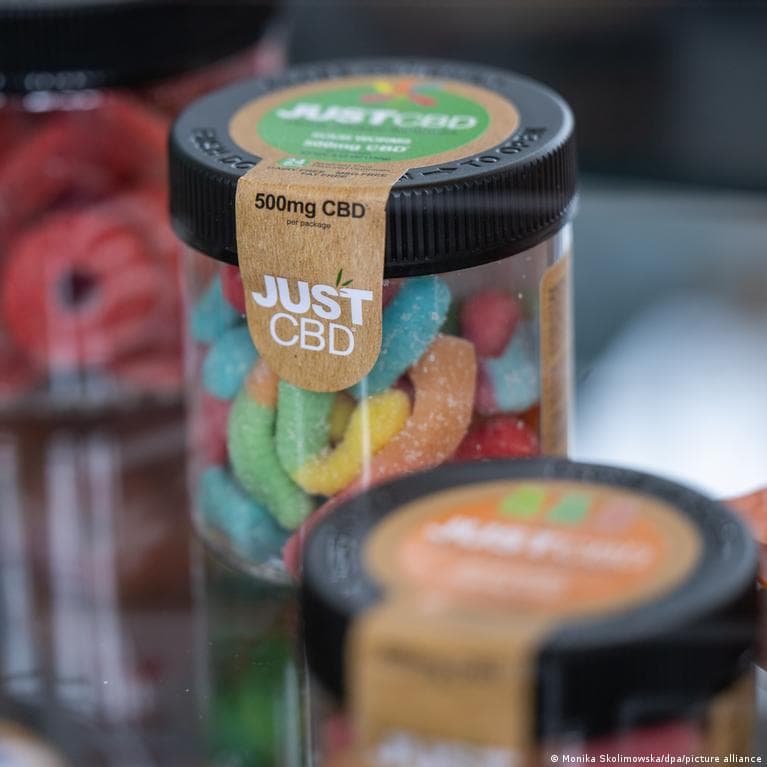
CBD is a compound found in hemp and usually extracted from low-THC varieties; unlike THC, it does not cause intoxication. It is actively sold in oils, capsules and gummies as a wellness ingredient with claims of benefits for sleep, stress relief and pain. The European Commission classifies CBD as a “novel food” — food that was not consumed in the EU in significant quantities before May 15, 1997; such products require a safety assessment and authorization before being placed on the market. The court noted that CBD has not yet received such authorization, but did not state that it is unsafe. This concerns food products specifically, not medicines: CBD is also found in medical marijuana, but that is outside the scope of the case.
Where the case came from and who it affects
The restriction applies to CBD products and CBD-enriched products that lack authorization for the EU market, not to all hemp products: hemp seeds and ordinary hemp oil can still be legally sold and certified as organic. The court also clarified that the ban extends to products intended for export outside the EU, and that compliance with organic production standards does not remove the need for market authorization. Background: the French organic farming regulator INAO told certification bodies that CBD products cannot be certified as organic, and banned CBD as an ingredient in certified organic products, making an exception for hemp oil without added CBD. The hemp growers' association challenged these restrictions before France's Council of State, which referred the question to the EU court. The French court must now resolve the dispute in light of the EU court's interpretation.