The key facts
- Emergency services officer Vitaly Boyko recommended choosing insulation with the NG (non-combustible) marking, such as stone basalt wool
- A particular risk is flammable insulation under siding next to worn-out electrical wiring, especially in winter when the load on the network increases
- For attics, non-combustible boards are advised, or protecting flammable insulation with expanded clay or a screed
Why flammable thermal insulation is dangerous
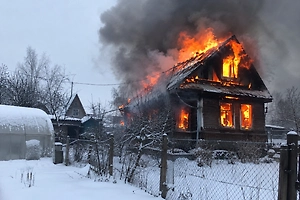
Flammable insulation materials are dangerous in a fire not only because flames spread quickly, but also because they release toxic combustion products that complicate evacuation. This was stated by Life.ru to Vitaly Boyko, an emergency services officer and fire safety expert. According to him, the combination of flammable insulation with old electrical wiring is especially dangerous: in winter the load on the network increases, and a spark or an overheated wire can cause hidden smoldering that then turns into an open fire. «The combination of flammable insulation and old wiring is, one might say, a time bomb,» the expert noted.
What the expert advises
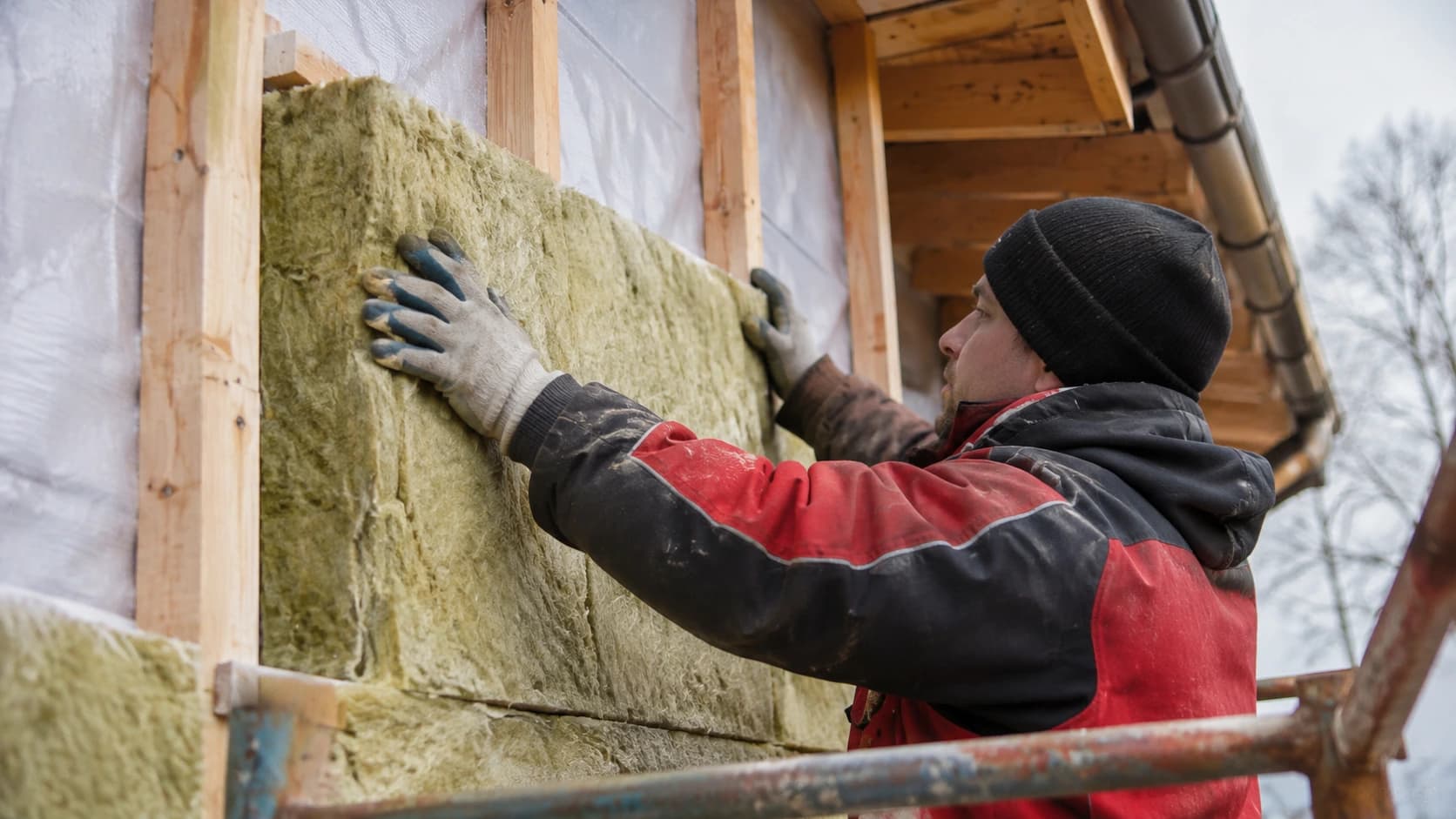
When choosing insulation, Boyko recommended checking the manufacturer's certificate, which must clearly state that the material is non-combustible, and looking for the NG (non-combustible) marking. He named insulation based on stone basalt wool as one of the safest options, as it withstands high temperatures and does not support combustion. He advised giving up ordinary polystyrene foam in favor of certified non-combustible mineral boards, stressing that this is not the place to save money.
Attics and facades
The expert advises taking particular care when insulating attics and attic floors, where many belongings and flammable materials are usually stored, which contribute to the rapid spread of fire. «In this case, it would probably be easier to use stone wool,» Boyko explained. If flammable thermal insulation is nevertheless used in the attic, it must be protected with non-combustible layers, for example expanded clay or a cement-sand screed, while observing structural requirements. A separate risk is flammable insulation under siding: a fire inside the facade structure is difficult to detect and extinguish. Before starting work, the specialist recommends checking the condition of the electrical wiring and replacing worn-out cables and connections in advance, as well as remembering that even high-quality insulation does not eliminate the need to follow installation rules and regularly inspect electrical equipment.
Context of preparing a house for winter
The article continues an earlier Life.ru publication, in which owners of private houses were advised to check six vulnerable spotsbefore the frosts set in to avoid fires, leaks and costly repairs: besides electrical wiring, it covered the heating system, water pipes, the roof, windows, ventilation and the chimney. The new article elaborates on one of the key points of that list — how exactly the choice of insulation affects a home's fire safety.