The key facts
- The surface temperature of the equatorial Pacific in October exceeded the norm by 4 °C — a record since 1949
- Typhoon Champi, with winds of 295 km/h, passed by Taiwan, cancelling hundreds of flights; Super Typhoon Dolphin claimed dozens of lives in China
- Typhoon Champi, with winds of 295 km/h, passed near Taiwan, cancelling hundreds of flights; Super Typhoon Dolphin killed dozens of people in China
- The ACE forecast for South-East and East Asia is nearly twice the 30-year average
- The ACE forecast for Southeast and East Asia is nearly double the 30-year average
A season beyond the ordinary
For residents of the coasts of the Philippines, Taiwan, China and Japan, harsh weather is part of life, but recent months, as BBC News notes, have proved extraordinary. A wave of intense and at times unpredictable storms, supercharged by the El Niño phenomenon, has claimed dozens of lives, shut down major airports and destroyed crops and infrastructure across a vast swath of East Asia.
A chronicle of storms
In June, Japan watched as two storms — Typhoon Mekkhala and Severe Tropical Storm Higos — headed simultaneously toward its eastern coast, forcing the evacuation of a million people. In July, Tropical Storm Narra clipped China's southern coast in Guangxi, flooding villages and forcing tens of thousands of people to leave their homes. In August, Super Typhoon Dolphin, which raged over the Pacific for 16 days, slammed into eastern China, causing severe flooding and dozens of deaths. Later that same month, Typhoon Saudel hit three south-eastern Chinese cities within a week, paralyzing transport and forcing the evacuation of thousands of people.
Typhoon Champi and its aftermath
In October, almost all of Taiwan came to a standstill because of a giant storm capable of covering the island of 23 million residents. Typhoon Champi, with winds of 295 km/h — the equivalent of a Category 5 hurricane — did not make landfall, passing by the island, but it unleashed torrential rains on it. The effects were felt far beyond its immediate path: hundreds of flights were cancelled in Hong Kong, Taiwan and Japan, coastal highways closed on the Philippine archipelago of Batanes due to waves, and 15,000 homes on the Japanese islands of Okinawa were left without electricity.
The Pacific is 'burning with fever'
El Niño is a natural climate phenomenonin which warm waters pooling in the eastern Pacific and altered wind patterns cause extreme weather around the world; it recurs every two to seven years and lasts about a year. According to the UK Met Office forecast, the current El Niño will be 'the strongest in living memory' and is likely to last until February or March.
Record temperatures and forecasts
The Pacific, heated by El Niño to record levels, is full of energy for typhoons: by the accumulated cyclone energy (ACE) metric, the season in South-East and East Asia is forecast to be nearly twice as intense as the 30-year average. Typhoons are forming farther east than usual and have time to gather strength over warm water. Ana Liza Solis, head of climatology at the Philippine national weather bureau, compared the ocean to a person 'burning with fever': 'It may soon start having convulsions,' she said at a briefing in Manila in September. Last month, the surface temperature of the equatorial Pacific, tracked by the Japan Meteorological Agency, exceeded the norm by 4 °C — the highest since observations began in 1949; the previous record of 3.6 °C was set in December 1997. China's climate agency warned that temperatures would continue to rise over the next three months, while climatologist Raphaella Jane Del Fino and her colleagues, having modeled the impact of warming on recent powerful Philippine storms, including Super Typhoon Haiyan of 2013, which claimed more than 6,000 lives, obtained, in her words, 'very, very frightening results': total rainfall would increase by 26%.
Preparedness and long-term risks
Countries are preparing for the blows: Japan has urged citizens to stockpile food and essential supplies for the typhoon season and to secure street furniture, which in hurricane-force winds can become a deadly projectile. China has instructed local officials to identify vulnerable areas and is upgrading its early-warning systems. The Philippines and its Southeast Asian neighbours are preparing for disruptions to food production, above all rice, by increasing support for farmers, including fertilizer supplies. Against the backdrop of annual floods that paralyse cities, Filipinos have taken to the streets in protests against corruption, which, they say, drains millions of dollars from flood-protection projects. The long-term picture is less certain: the UN Development Programme in the Asia-Pacific region has said that the window for action on El Niño is 'closing', stressing that the severity of the consequences for a community is determined years in advance — by the layout of roads and settlements, water management, the reach of social protection and the resilience of budgets.
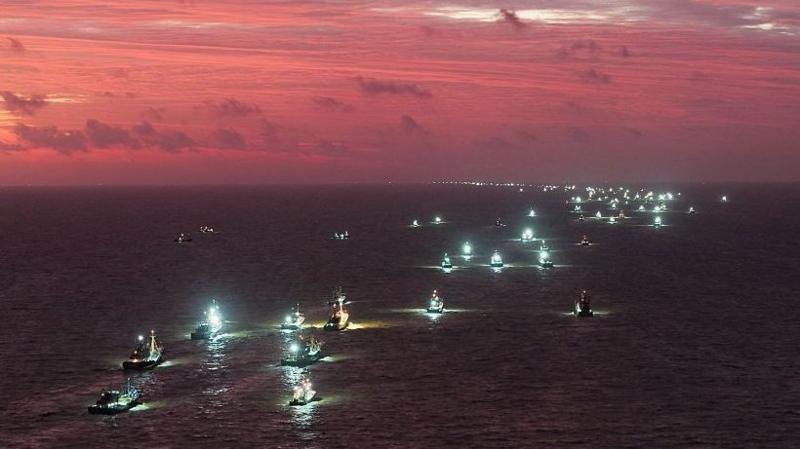 Image source, Getty Images
Fishermen return to sea under a crimson sky in August after China's Jiangsu province is hit by Super Typhoon Dolphin
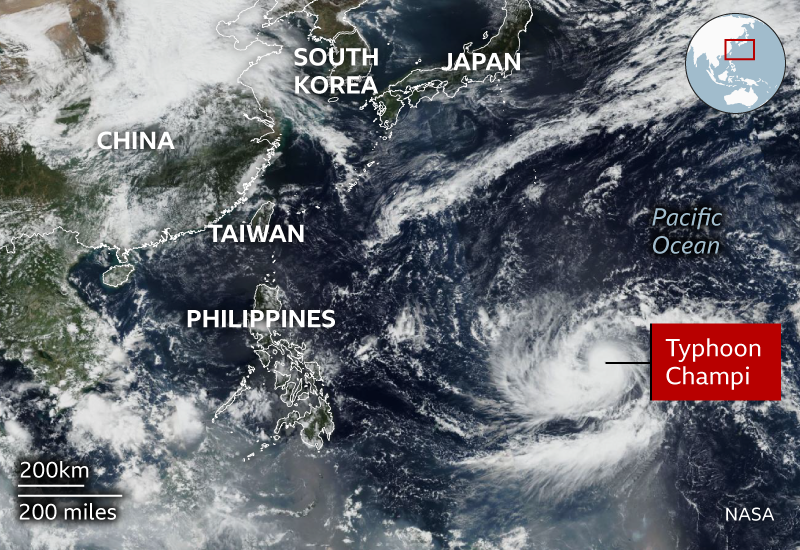
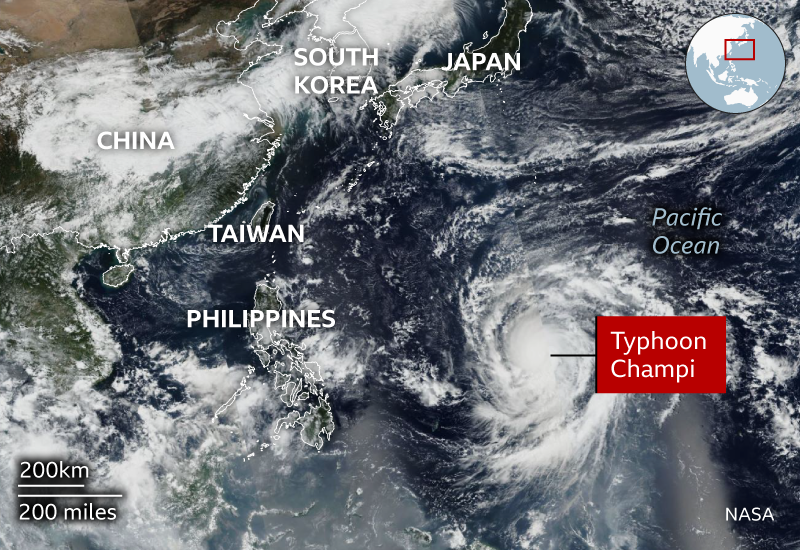
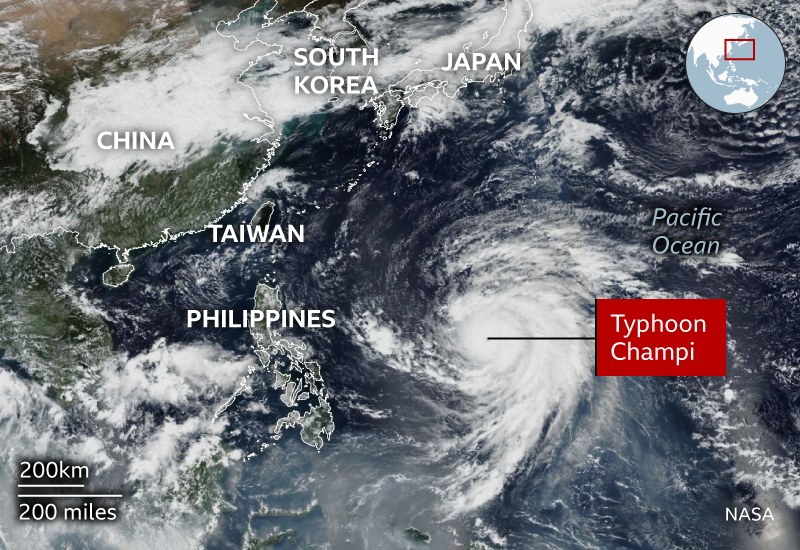
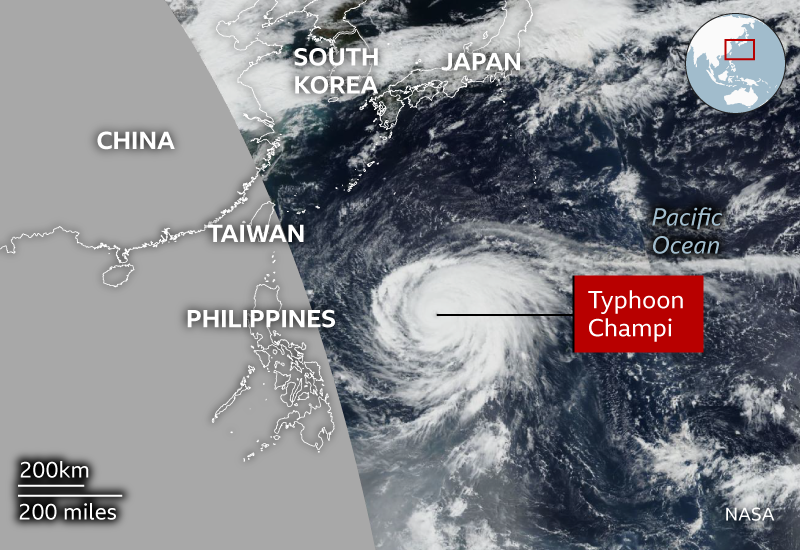
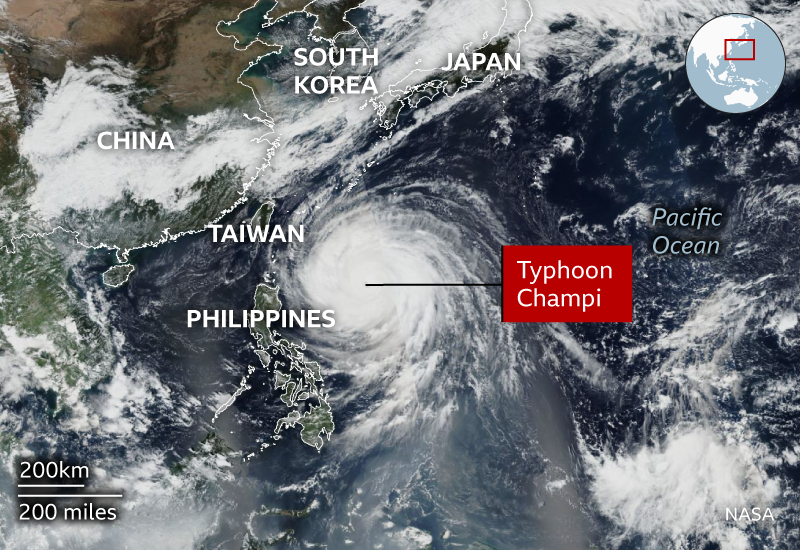
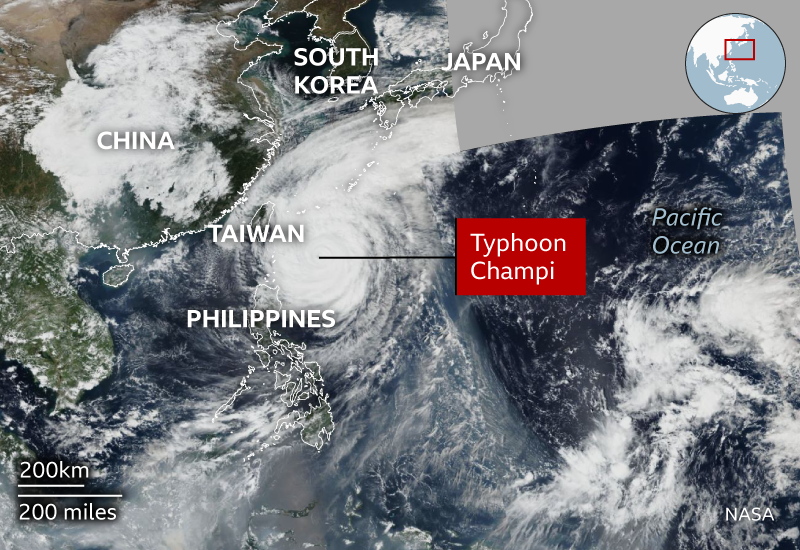
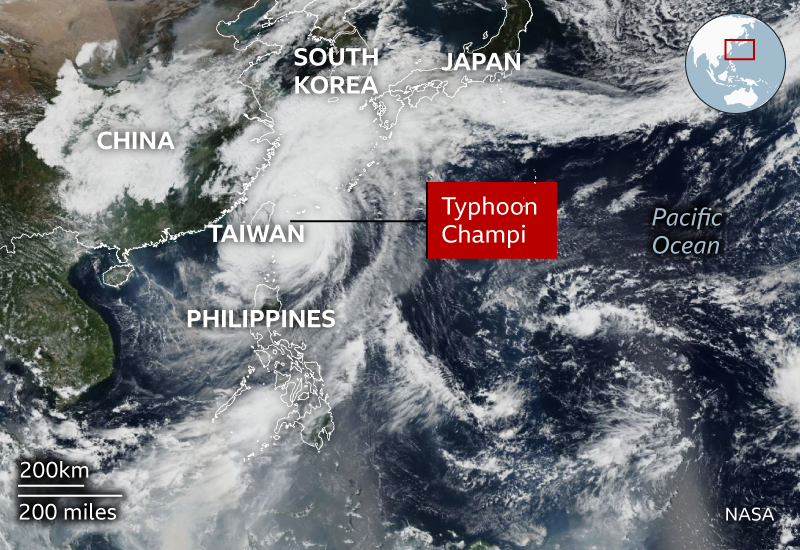
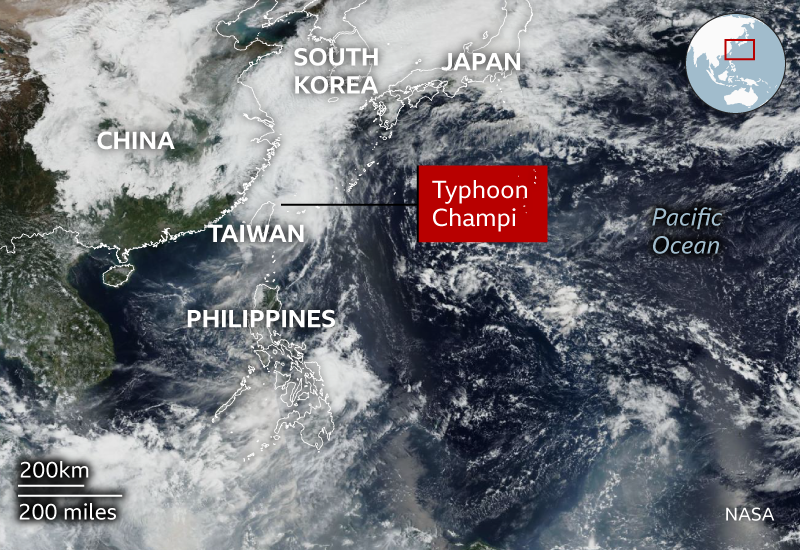
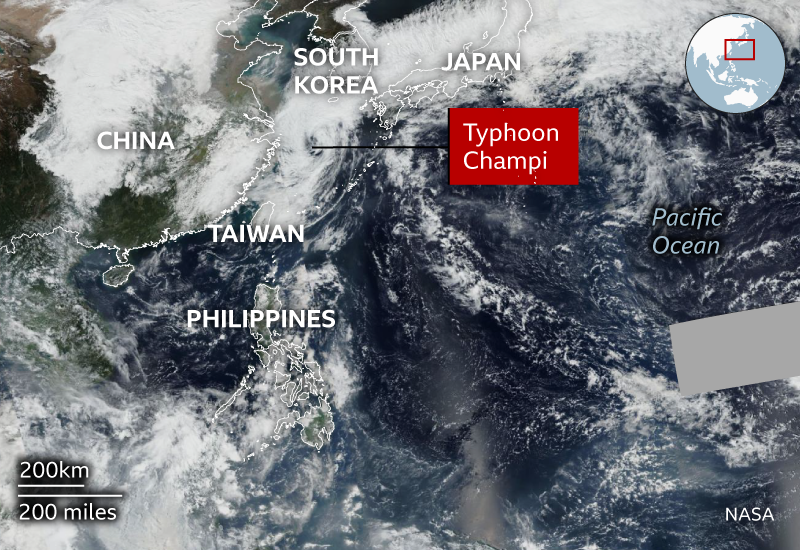
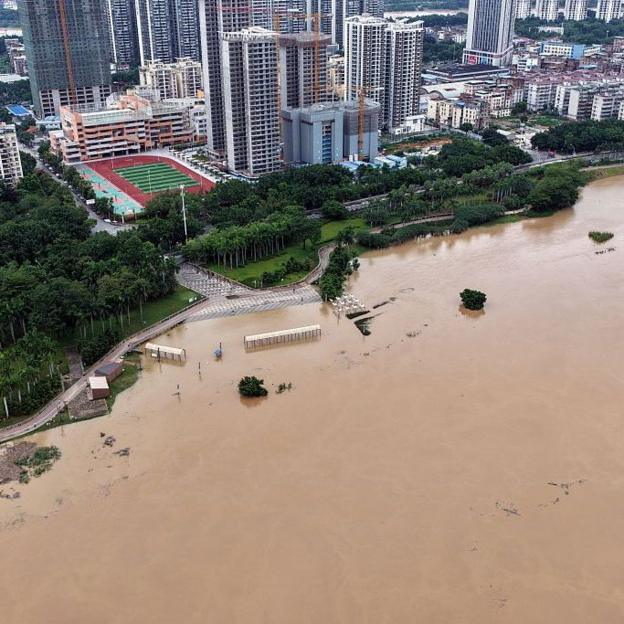 Image source, VCG via Getty Images
This riverside park in the south-eastern Chinese city of Nanning was submerged by Tropical Storm Narra
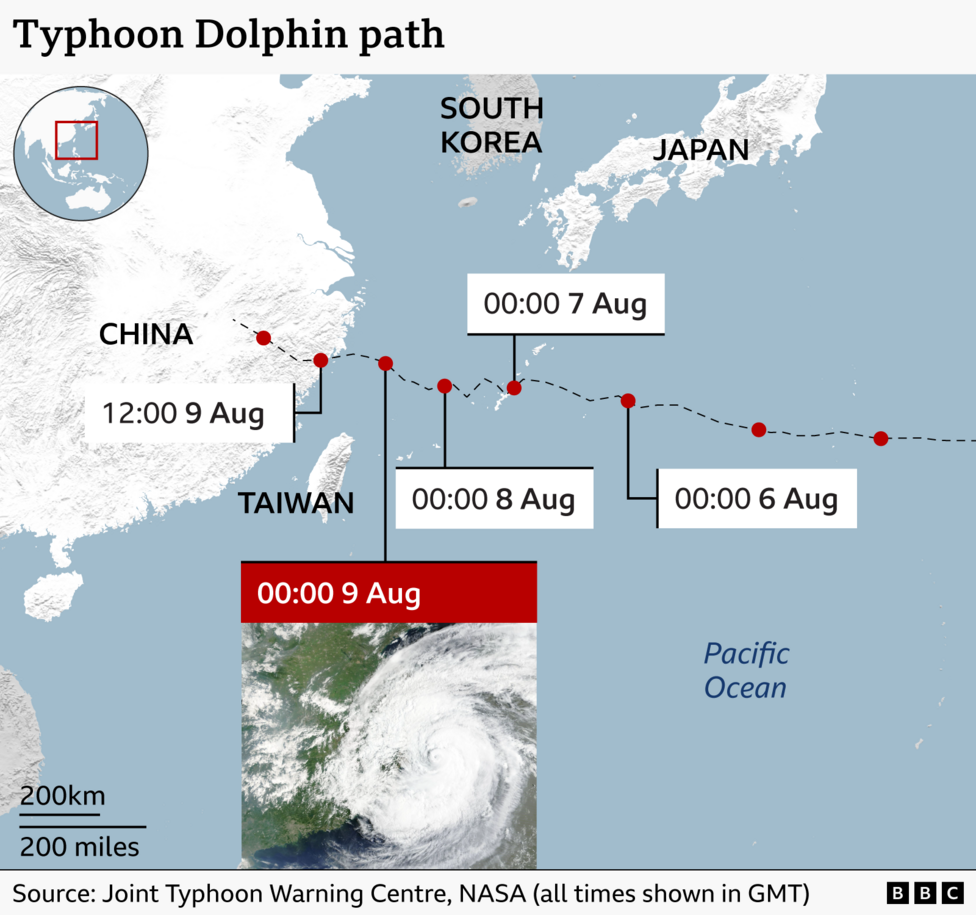
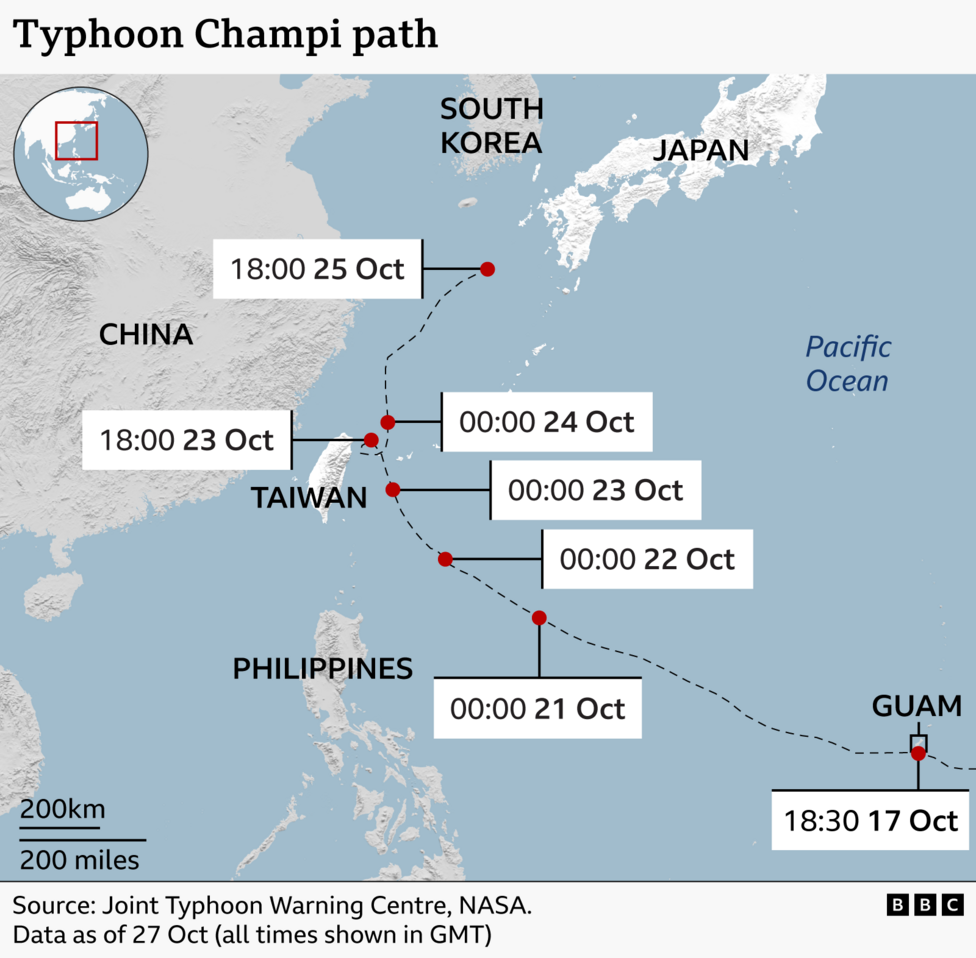
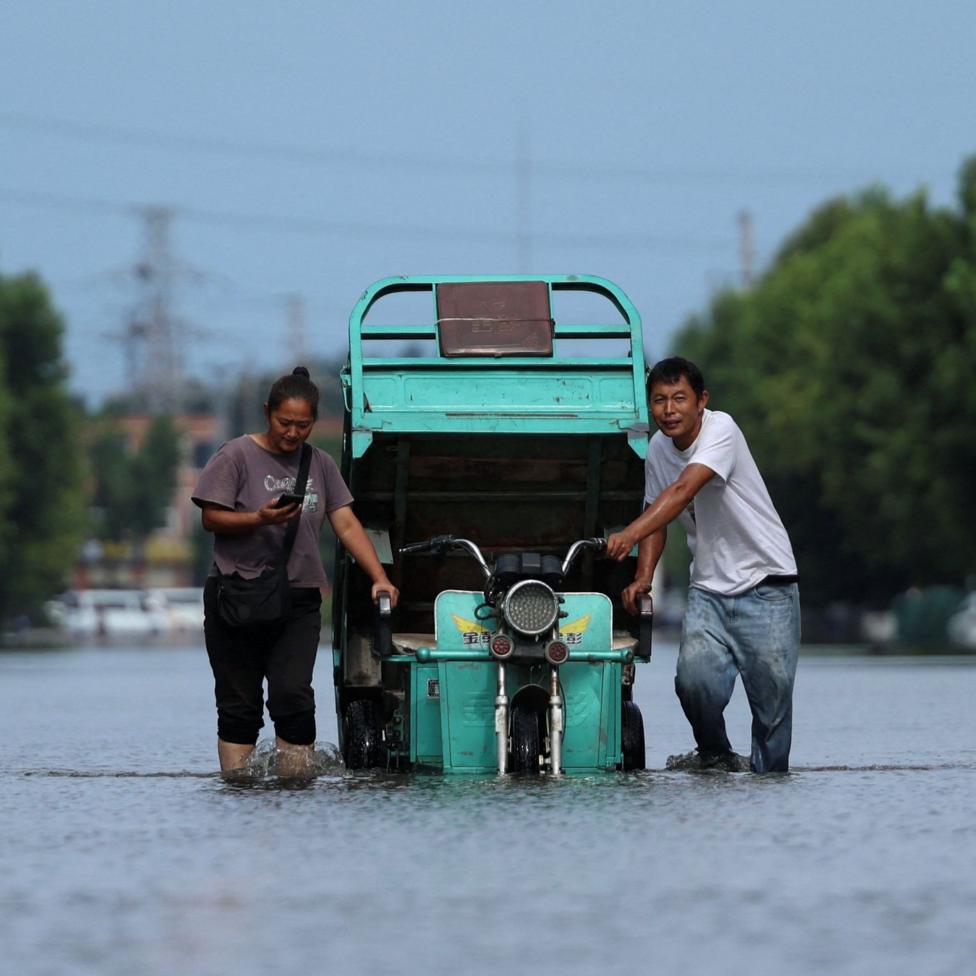 Image source, Reuters
China has seen back-to-back typhoons as the 2026 El Niño intensifies