The key facts
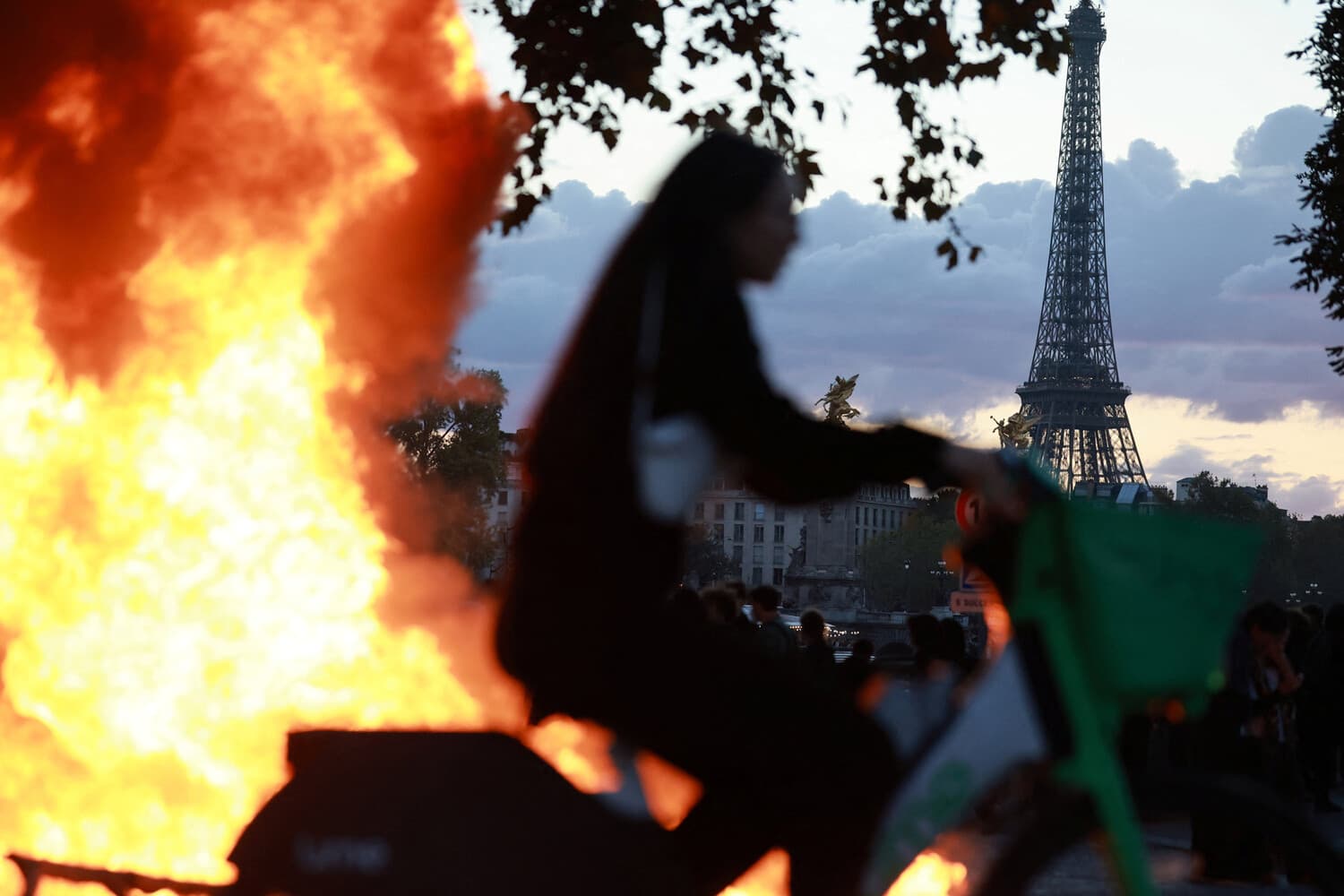
- The Eiffel Tower was closed to visitors on November 5 due to a nationwide strike in France
- Expected number of demonstration participants: 500,000–700,000 outside Paris and 40,000–80,000 in the capital
- The authorities deployed 70,000 police officers and gendarmes to maintain order
Tower closure and scale of the protests
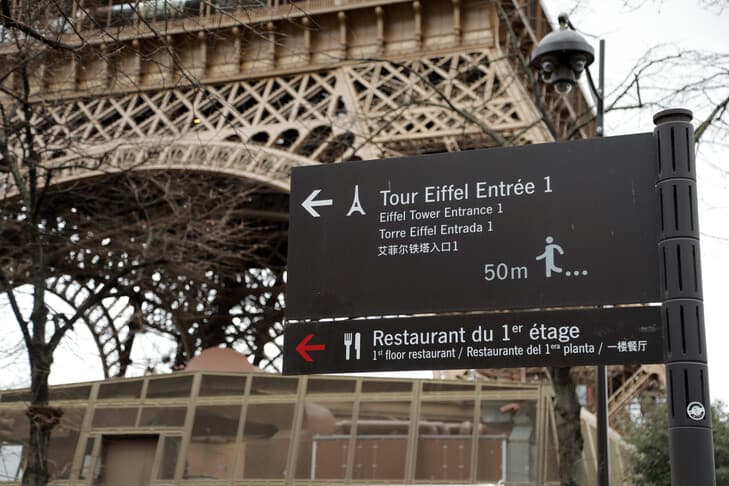
The Eiffel Tower closed to visitors on Thursday due to a nationwide strike in France. This was reported by the Anadolu agency, citing an announcement on the monument's official website: 'Due to the nationwide strike movement, the Eiffel Tower is closed today.' Holders of electronic tickets were advised to check their email.
Causes and the authorities' response
The strikes and demonstrations are being held by trade unions and student organizations; their demands concern wages, purchasing power, and conditions in education. It was expected that between 500,000 and 700,000 people could take part in the actions outside Paris, and between 40,000 and 80,000 in the capital. France's Ministry of the Interior reported that 70,000 police officers and gendarmes have been deployed to maintain public order during the days of mobilization.
Context of the movement
The current strike is part of a broader protest movement that began with student demonstrations in mid-September and later expanded as trade unions and other groups joined. According to the report, the closure of the Eiffel Tower is one of the visible consequences of the strike day for tourists; the announcement did not say how long the closure would last.