The key facts
- Cash generates no interest income, is exposed to inflation and the risks of loss
- The practical purpose of a reserve is paying expenses during a trip if there are problems with cards
- To match a deposit at 12%, the currency would need to be sold at roughly 96.77 rubles per dollar
Cash is for travel, not for savings
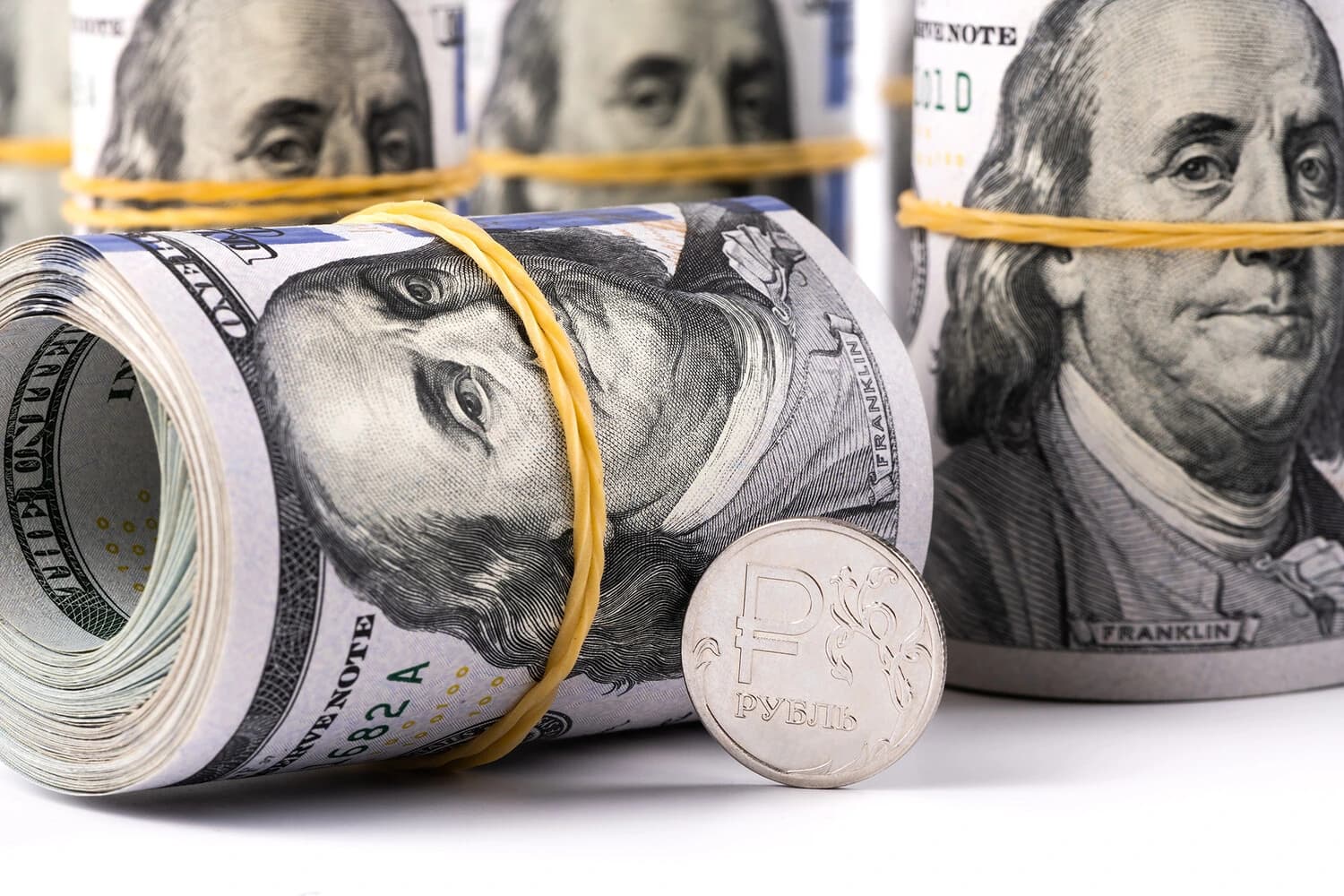
Doctor of Economics, professor at the Financial University under the Government of the Russian Federation Yury Shchedko, in a conversation with Gazeta.Ru explained in which cases it makes sense to hold cash in foreign currency. According to him, cash does not generate interest income, is exposed to inflation in the respective currency, and also carries the risks of theft, loss, or damage to banknotes. He sees the practical purpose of such a reserve primarily in trips abroad: it allows paying everyday expenses if problems arise with bank cards. The expert suggested choosing the currency and amount based on the destination country, the length of the trip, and the availability of other payment methods, and before buying, to find out the requirements of local exchange offices regarding the condition and denomination of banknotes.
Comparison with a deposit: what the calculation showed
The advantage of cash over a ruble deposit, Shchedko noted, depends on the future exchange rate and exchange costs. He gave a hypothetical example: 83.9 thousand rubles can be placed for a year at 12% — then in a year you would get 93,968 rubles before any possible tax. Alternatively, this amount can be exchanged for dollars at 86.4 rubles, which would yield about 971.06 dollars. To get the same amount as from the deposit when exchanging back, the currency would need to be sold at roughly 96.77 rubles per dollar, not counting additional fees. At a buyback rate of 95 rubles, the proceeds would be about 92.25 thousand rubles; at 98 rubles, approximately 95.16 thousand rubles. The expert's conclusion: even if the currency strengthens against the ruble, this does not guarantee a positive result after accounting for the costs of purchase and reverse conversion. Thus, for the reader, the practical meaning of the calculation is that the 'profitability' of a currency reserve is determined not only by the rise in the exchange rate but also by the spread between buying and selling, which can reduce the advantage to zero.