The key facts
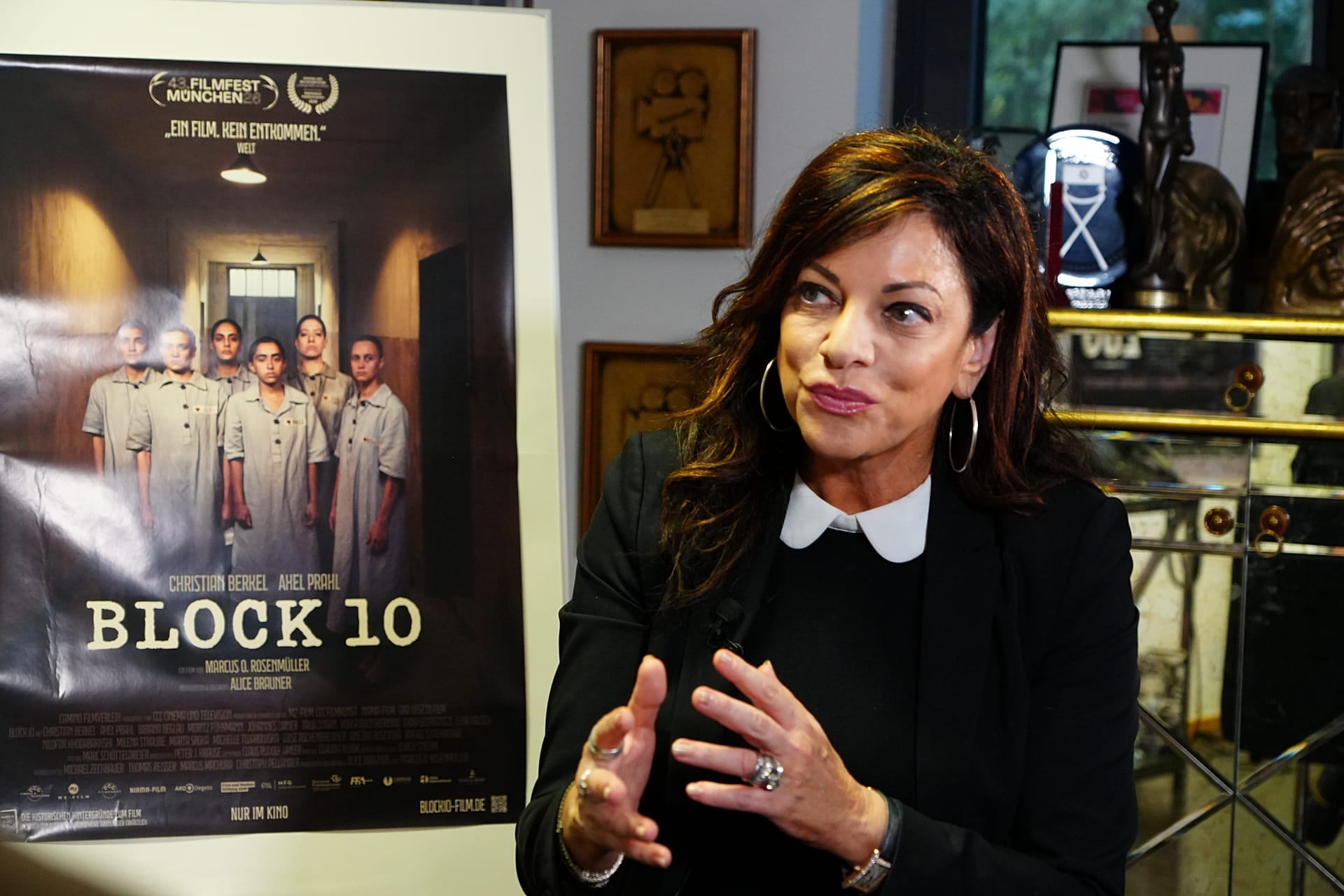
- The film 'Block 10' is released in German cinemas on November 5, 2026, with English subtitles
- Alice Brauner's script is based on witness testimony and court records: 'every camp number is authentic'
- The Auschwitz Memorial opened access to VR footage of the camp for a feature film for the first time
A forgotten page of the Holocaust — on screen
In early 1943, the SS locked several hundred Jewish women and girls in Auschwitz in a building without daylight — Block 10. There, the gynecologist Carl Clauberg (played in the film by Axel Prahl), on orders from SS chief Heinrich Himmler, tested methods of mass sterilization of women; many of the prisoners did not survive the agonizing procedures. For a long time almost nothing was known about these crimes — screenwriter and producer Alice Brauner, who had previously interviewed survivors for Steven Spielberg's Shoah Foundation, learned about Block 10 only from Bogdan Musiał's book Euronews reports this.
A doctor in the 'gray zone'
Besides the women, the film tells the story of the Jewish doctor Maximilian Samuel (Christian Berkel), a gynecologist from Cologne whom the SS forced into cooperation by threatening his daughter's life. Brauner, in an interview with Euronews , speaks of the 'gray zone,' a term coined by Primo Levi, and refuses to pass moral judgment on Samuel: 'No one can be condemned — whatever a person may have done — if they were a prisoner of Auschwitz.' The embodiment of resistance in the film is the doctor Adelaide Hautval (Bibiana Beglau) — a Frenchwoman deported to Auschwitz in January 1943 as a 'friend of the Jews' who refused to take part in the sterilizations; later Yad Vashem honored her with the title 'Righteous Among the Nations.' According to Brauner, the script is based on witness testimony and court records: 'Every camp number is authentic, every character really existed' — only in one abortion scene was a real participant replaced by another character for the sake of the plot.
How 'Block 10' was made
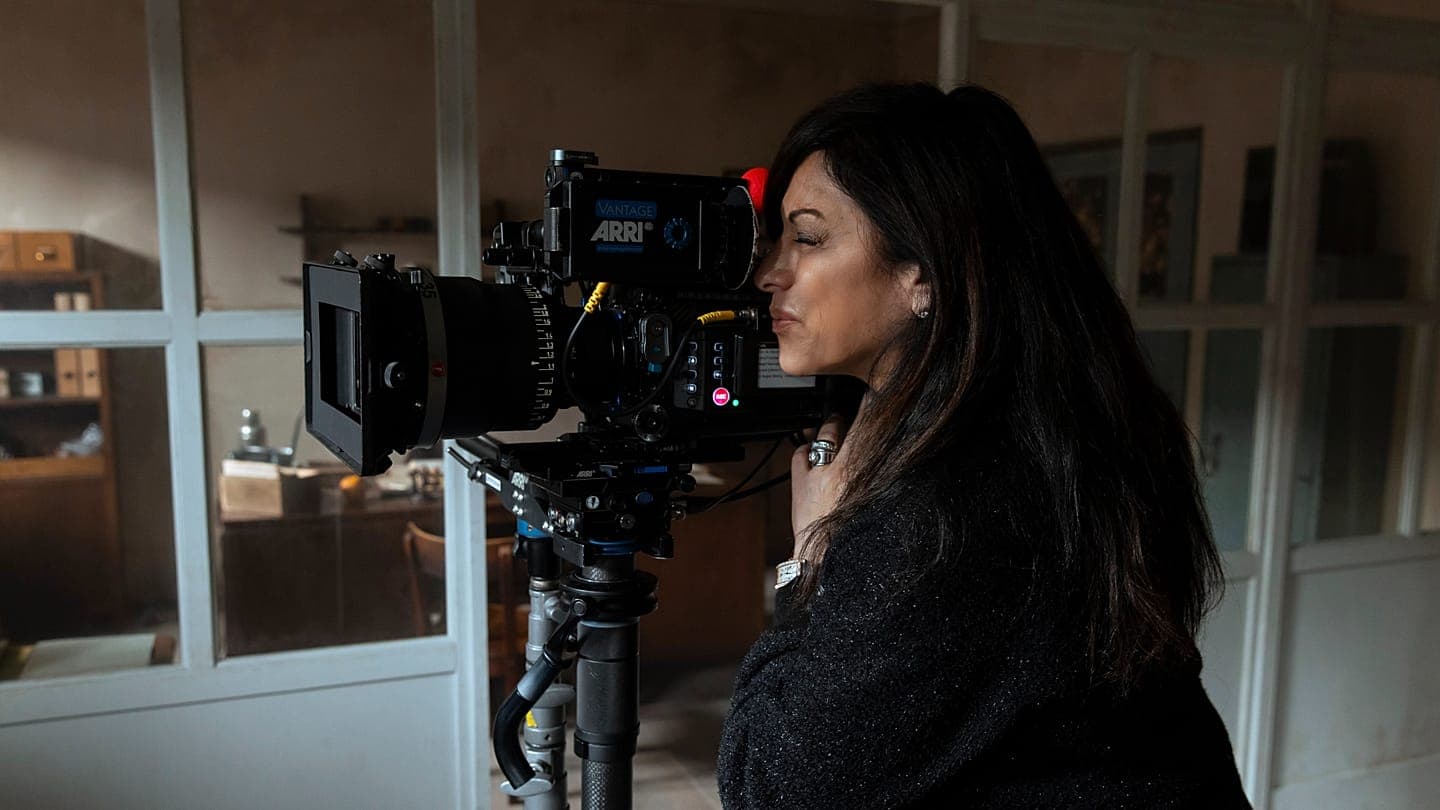
Filming began in September 2025 at the CCC studios in Berlin, where Block 10 itself, including the sleeping quarters and operating rooms, was recreated from 3D models of the original. The Auschwitz Memorial provided the team with new 360-degree VR footage of the camp for the first time for a feature film, from which location shots were taken; the scene of the prisoners' arrival was filmed at the Bochum railway museum with hundreds of extras. The actresses had their heads shaved — some right in front of the camera — and roles were, where possible, given to actresses from the countries of origin of the victims; one of them learned Ladino. There is no music in the film: only in the end credits does a Jewish prayer for the victims of the Holocaust sound. At the premiere in Munich, only a few viewers left the hall, and later the film received the audience award at the Festival of German Film in Ludwigshafen.
The creator's personal context
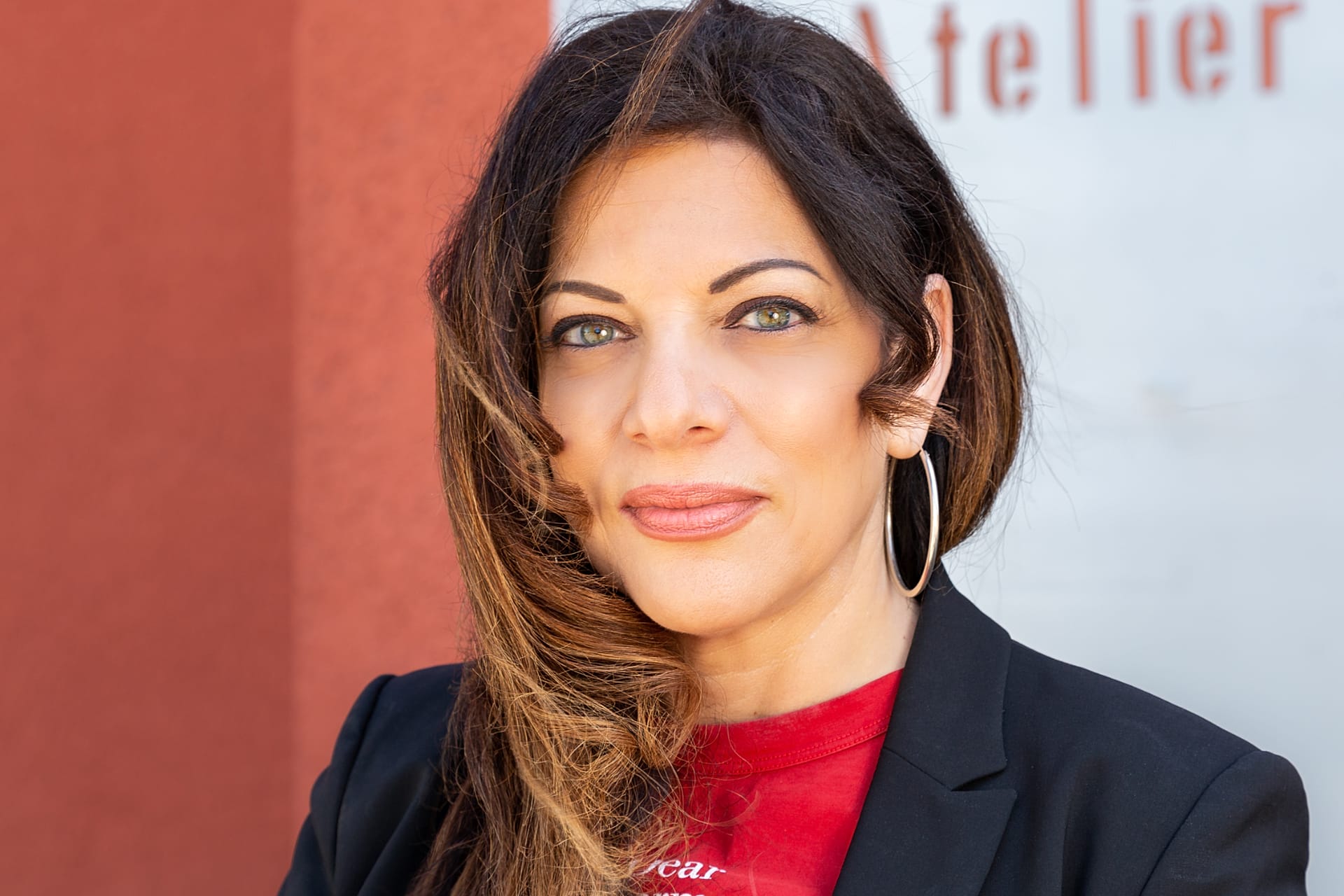
For Brauner, the daughter of Holocaust survivors — producer Arthur Brauner, founder of the CCC company, and his wife Maria — the film's harshness is also connected to the events of October 7, 2023. She says that as a Jew she found herself being held responsible for Israel's policies. The scale of the problem, according to RIAS figures cited by Euronews, is shown by the numbers: about 8,700 antisemitic incidents in Germany in 2025 — almost 24 per day, compared with an average of about 2,500 per year in 2020–2022; moreover, RIAS notes, many incidents go unreported. Brauner calls the culture of remembrance her parents championed a failure, and therefore intends to continue their work: the film will be released on November 5 in selected German cinemas with English subtitles; Brauner, together with Heike Gronemeyer, has published a book about the historical context, and she intends to show the film in schools, counting primarily on a young audience.