The key facts
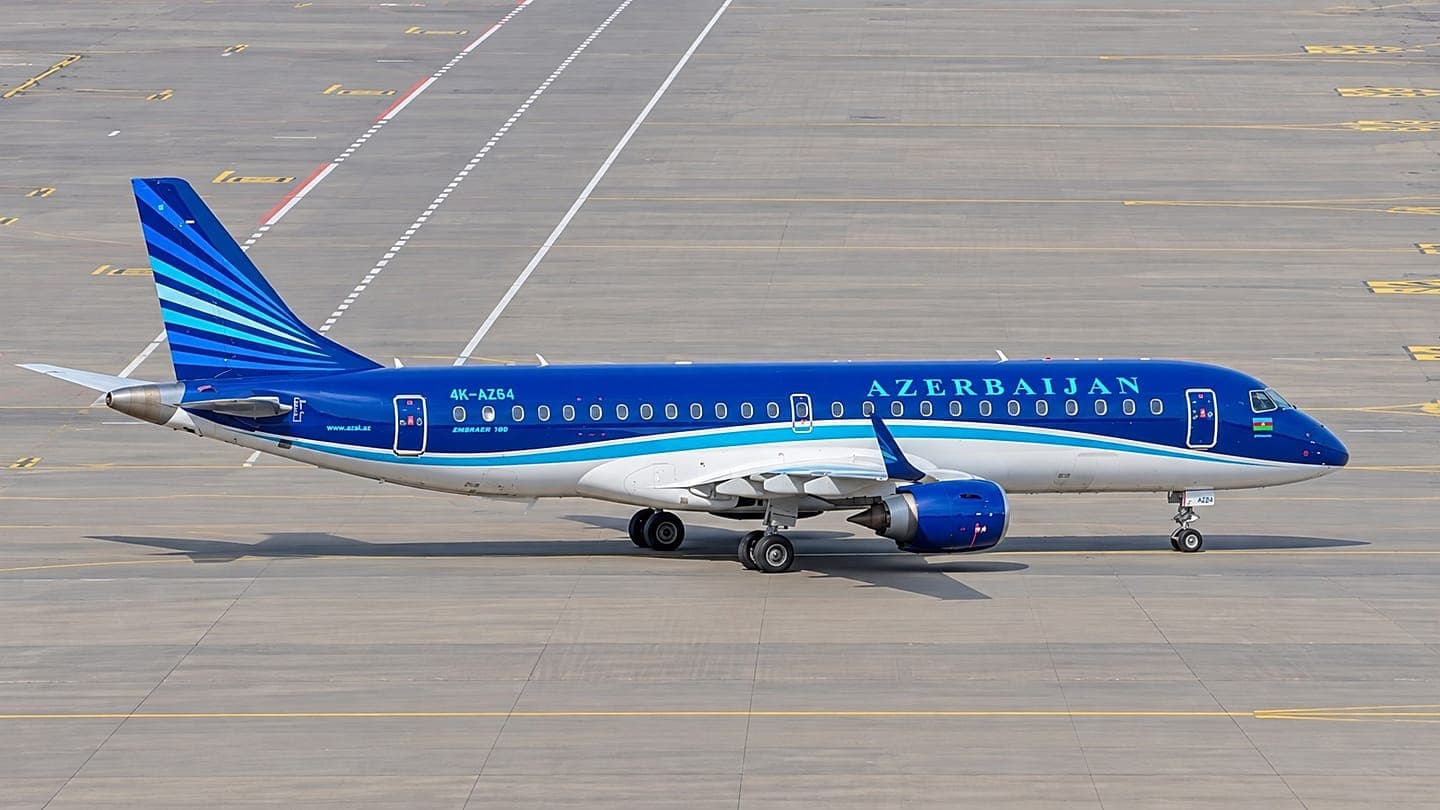
- AZAL: Airbus A320neo aircraft have cut carbon emissions by more than 17% compared with traditional models
- Heydar Aliyev Airport has achieved the third level of the Airport Carbon Accreditation program
- Summer traffic in Azerbaijan's airspace grew by 11% in 2026
Growing traffic and falling emissions: Azerbaijan's approach
Rising demand for air travel is pushing the industry to cut emissions without losing efficiency or transport connectivity. As shown in the Business Horizons program on Euronews, Azerbaijan is responding to this challenge by modernizing its aircraft fleet, improving airport infrastructure, and adopting digital technologies.
What exactly AZAL and the air navigation service say
Gurban Karimbayli, head of the sustainable development department at Azerbaijan Airlines (AZAL), outlined the carrier's strategy: the purchase of Airbus A320neo aircraft has cut carbon emissions by more than 17% compared with traditional models. Heydar Aliyev International Airport, he said, has also achieved the third level of the Airport Carbon Accreditation program. On the air traffic management side, Farhan Guliyev, director of Azeraeronavigation, spoke about the role of automation, artificial intelligence, and air traffic controller training in improving aeronautical services. The backdrop for these measures is growing traffic: in summer 2026, traffic in Azerbaijan's airspace increased by 11%.
Context and limitations
The figures cited are statements by industry representatives in a program interview, not the results of independent verification. The publication does not specify the exact period over which the 17% emissions reduction was measured, or how the traffic growth is distributed across routes; these details remain unknown.