The key facts
- During a prolonged absence of residents, you can avoid paying for heating, major repairs, and maintenance of the residential premises
- For water, gas, and electricity, savings are possible only with working meters and submitting zero readings
- Without metering devices, charges are calculated according to the standard rate for each owner
What you can avoid paying for in an empty apartment
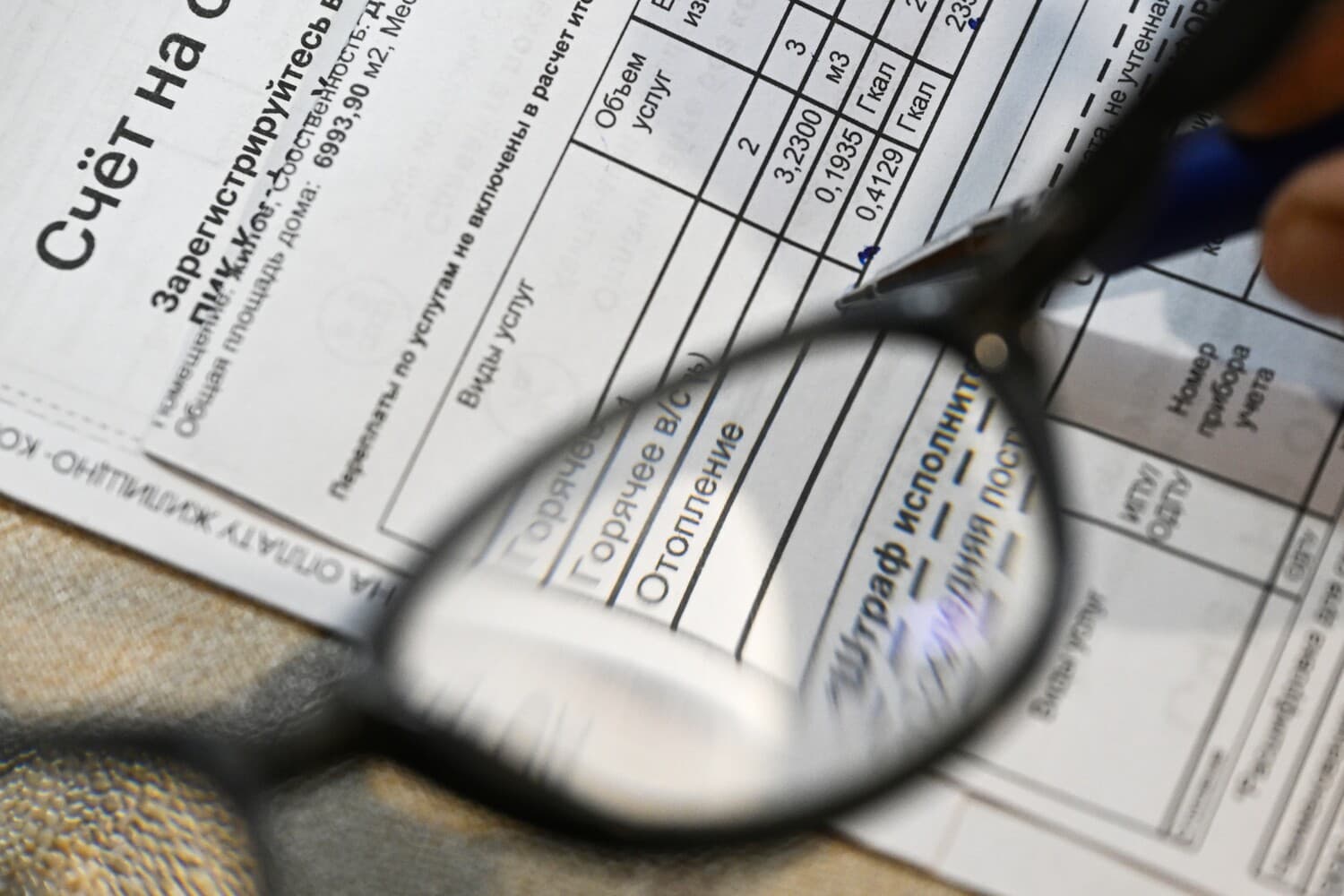
If an apartment has been vacant for a long time, the owner may partially avoid paying for utilities — this concerns charges for heating, major repairs, and maintenance of the residential premises. Public figure and housing and utilities expert Dmitry Bondar told RT about this in an interview; a retelling is provided by Gazeta.Ru. The maintenance of residential premises, according to the expert, includes, for example, elevator servicing, cleaning of stairwells, and roof repairs.
Meters and zero readings
For the remaining services, savings, Bondar explained, are possible mainly with the help of metering devices: the home must have working water, gas, and electricity meters. If a person is leaving for a long time, it is important to shut off the valves and switch off the circuit breakers in the electrical panel, after which zero readings can be submitted when paying. If there are no meters, charges will be calculated according to the standard rate depending on the number of owners. You need to act in advance: after the bill arrives, it will be very difficult to prove that no one lives in the apartment, the expert warned.
How the recalculation is processed
To recalculate payments for a vacant apartment, owners, according to the specialist, often have to send an application to the regional operator every six months, accompanied by documents confirming permanent residence at another address. Separately, State Duma deputy Sergey Kolunov previously recalled that additional services can also be excluded from bills — the radio outlet, TV antenna, landline phone, intercom, and barrier gate, if they were not approved at a general meeting of owners, as well as housing insurance, if no contract was signed and it is included as a separate line item. To opt out, you need to submit an application at an MFC or through Gosuslugi.