The key facts
- Maria Zakharova stated that European minorities are often isolated and have to defend their right to national pride in international bodies, including the European Parliament
- In her view, the Russian approach allows peoples to develop their distinct identity without confining themselves within separate communities
- Sergei Naryshkin earlier rejected the portrayal of the history of interethnic relations in Russia as colonial exploitation
Foreign Ministry statement on the situation of minorities in Europe
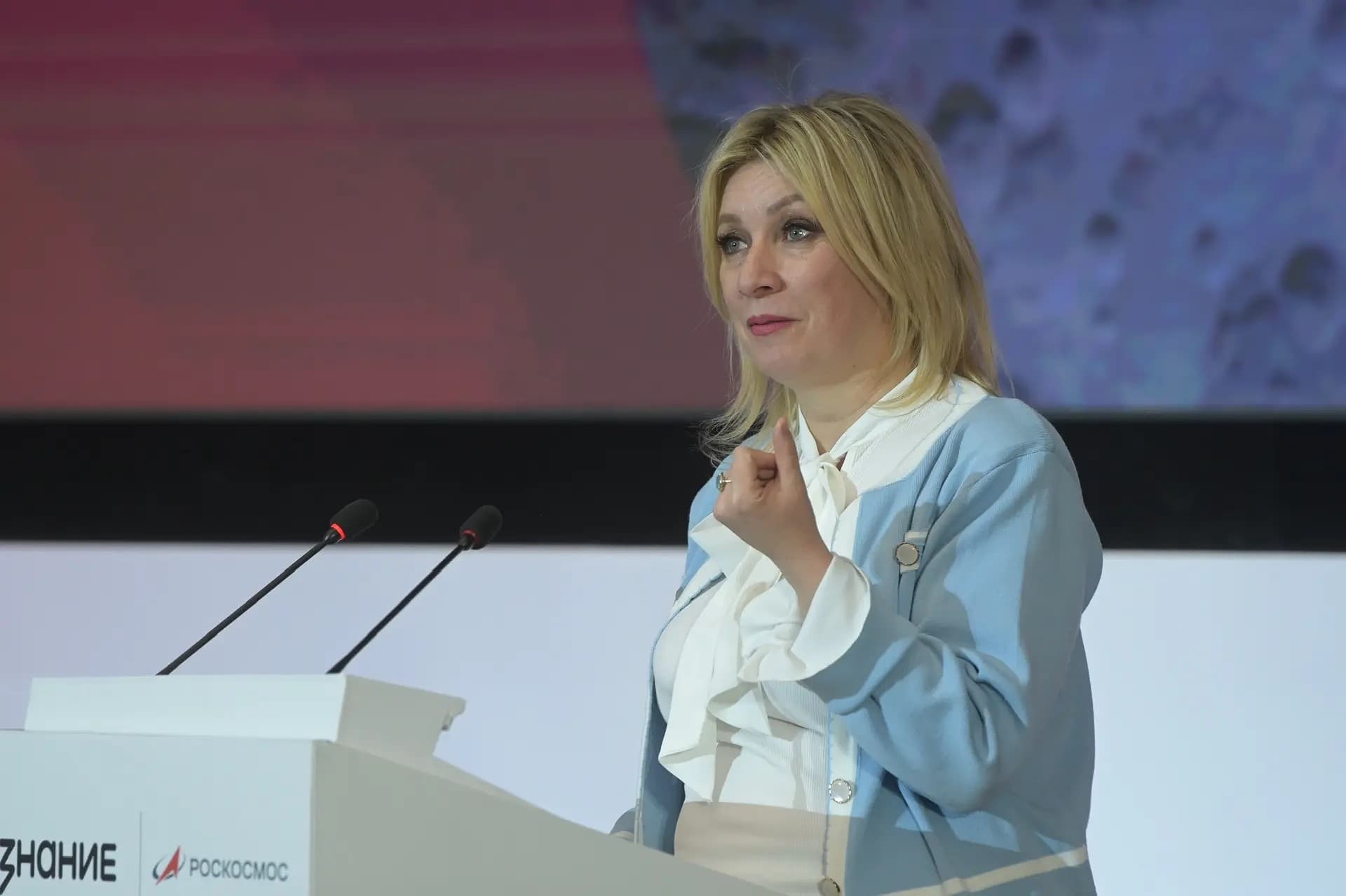
Russian Foreign Ministry spokesperson Maria Zakharova stated that small peoples in Russia can preserve their language and culture while remaining full members of society, whereas in Western Europe national minorities have to spend years seeking recognition of their rights. She made this remark on the air of Sputnik radio, as reported by Life.ru.
The essence of the criticism of the European approach
According to the diplomat, European national minorities often find themselves isolated from the rest of the population. The opportunity to develop their native language, she said, is presented to them as a special privilege, while the right to national pride has to be defended in international bodies, including the European Parliament. The Russian approach, Zakharova noted, allows peoples to preserve and develop their distinct identity every day — for this there is no need to confine oneself within separate communities or obtain special permits.
Context: Naryshkin's position
Zakharova's statement came against the backdrop of recent remarks by SVR Director Sergei Naryshkin, who rejected attempts to portray the history of interethnic relations in Russia as colonial exploitation. In his words, part of the European elites attributes to Moscow the vices that their own states were distinguished by for centuries. Both statements represent the official Russian position on national policy; the Life.ru publication presents them as interconnected context, without citing any independent assessment of the situation described in Europe.