The key facts
- WHO recommended adding ChAdOx1 BDBV and mRNA-1469 vaccines, developed specifically for the Bundibugyo virus, to the trials
- DRC outbreak: more than 10,000 cases and over 5,300 deaths, fatality rate above 50%
- Tedros called for lifting travel restrictions imposed by several countries
Two new candidate vaccines will join the trials
WHO expert groups have recommended adding two additional Ebola vaccine candidates, developed specifically for the Bundibugyo virus, to the ongoing trials in the Democratic Republic of the Congo. The organization's Director-General Tedros Adhanom Ghebreyesus announced this at a press conference in Geneva on Wednesday. The candidates are ChAdOx1 BDBV, developed by the University of Oxford together with the Serum Institute of India, and mRNA-1469 from Moderna, Anadolu reported.
Why new vaccines are needed
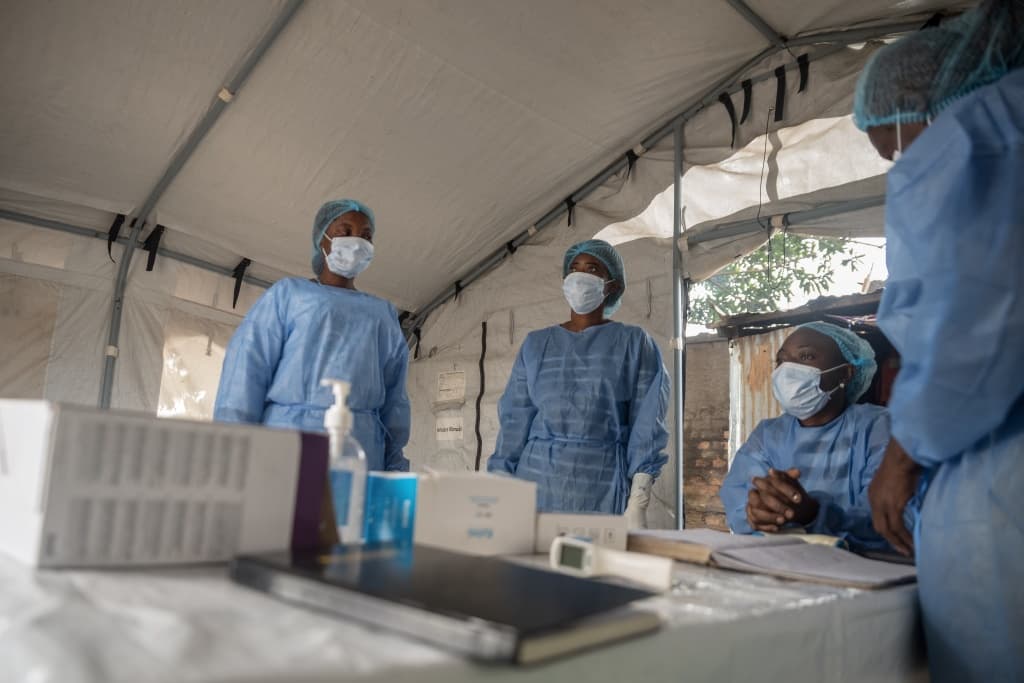
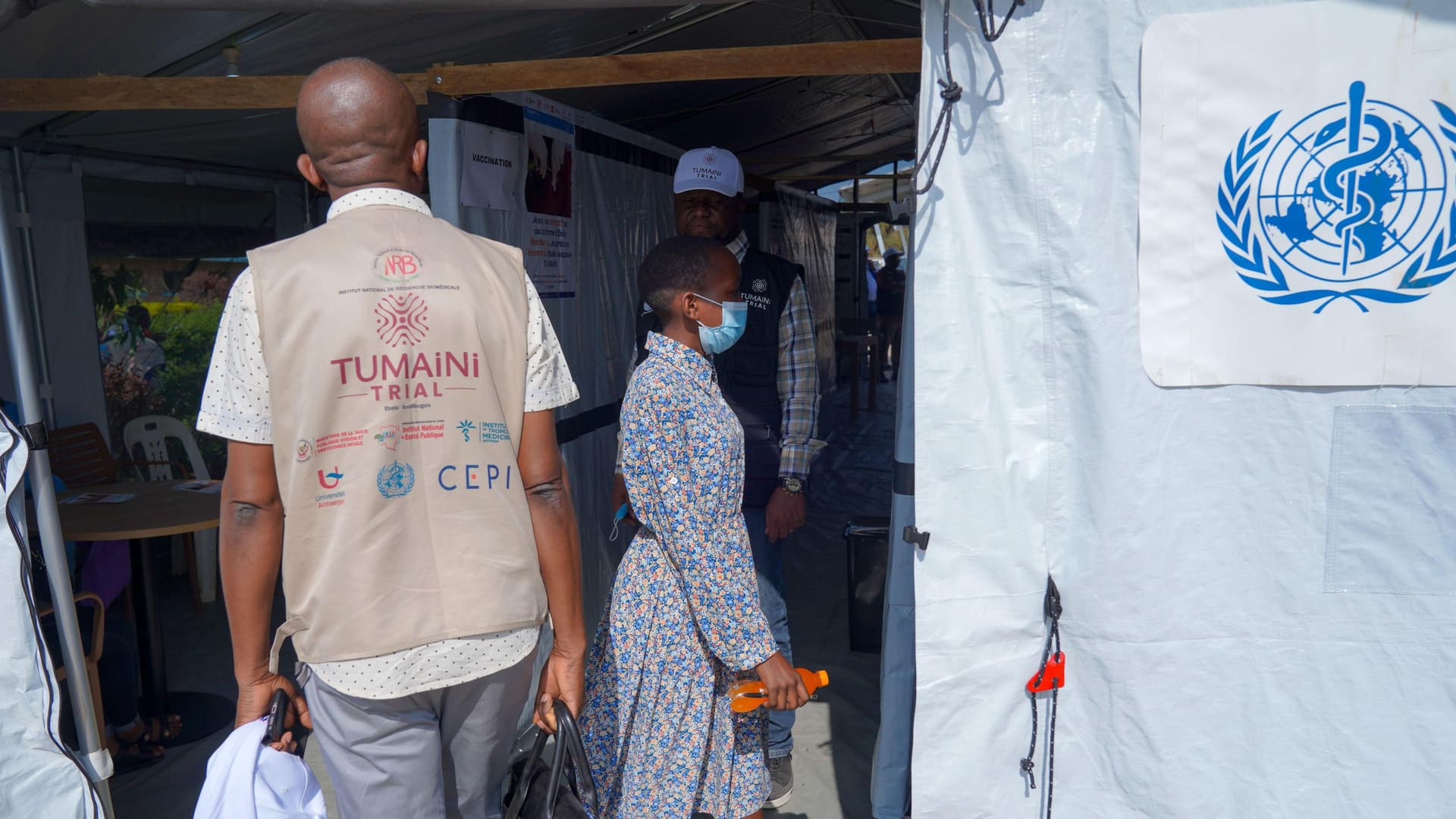
The current outbreak is caused by the Bundibugyo virus — a rare Ebola variant for which no vaccine has yet been approved, euronews notes. The trial began last month with the Ervebo vaccine, which is approved against Ebola caused by the Zaire virus but not against Bundibugyo. The trial will be conducted by the National Institute for Biomedical Research of the DRC with the support of international partners, including the WHO. Tedros nevertheless emphasized that 'vaccines are a powerful tool, but they do not replace proven measures that can already save lives now,' naming early care-seeking, contact tracing, isolation, safe burials, and community engagement.
The scale of the outbreak and the dispute over travel restrictions
According to the country's latest data as of October 31, cited by euronews, the outbreak, which began in the DRC in May, has infected more than 10,000 people with a fatality rate above 50% — the fastest-spreading and largest Ebola epidemic ever recorded. The epicenter remains the DRC with 5,103 deaths; cases have also been registered in Kenya (nine cases, two deaths — according to WHO figures cited by Anadolu), Nigeria, and Uganda. Ghana and the United States have imposed travel restrictions on arrivals from the DRC. Tedros condemned these measures: 'Such restrictions punish countries for doing the right thing, create incentives to hide information, and harm the outbreak response.' This position is shared by the Africa Centres for Disease Control and Prevention, which since the beginning of the outbreak have stated that travel restrictions should not be the main tool during epidemics.