The key facts
- US prosecutors filed a motion to dismiss the case against Ksenia Petrova
- The defense argued that the case against the Russian scientist was political in nature
- Petrova was detained at Boston airport in 2025 and released from custody in June of the same year
The case against Petrova may be dropped
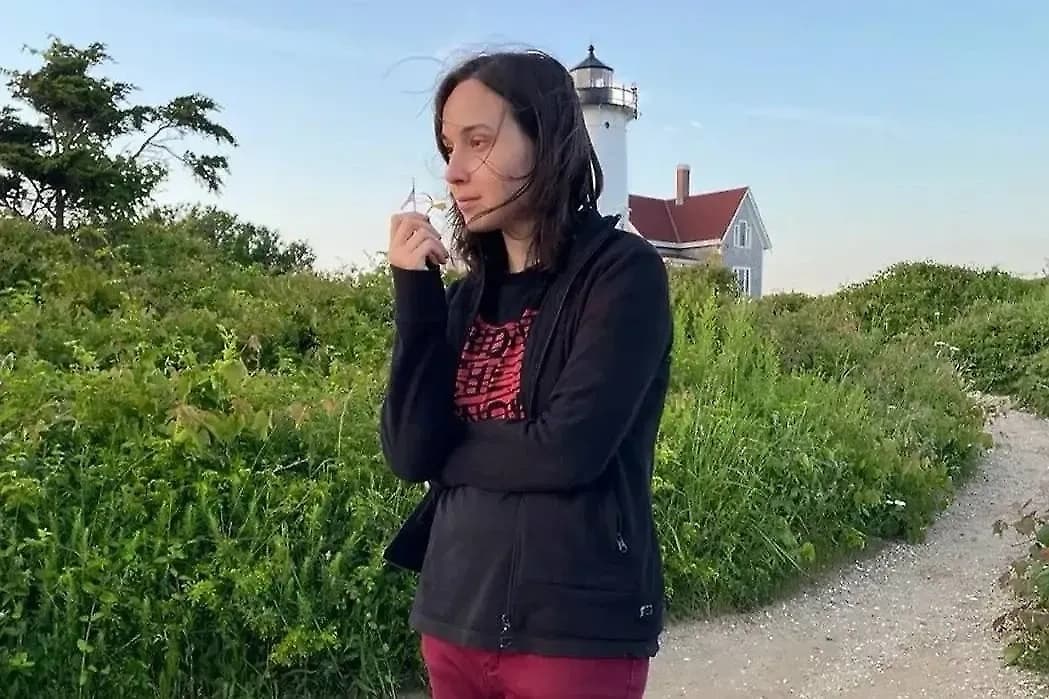
The US federal prosecutors have decided to drop the criminal prosecution of Russian scientist Ksenia Petrova, who worked at Harvard University and was accused of illegally bringing clawed frog embryos into the country. Reuters reports this citing a motion filed by prosecutors in Boston.
Why the prosecution reconsidered its position
The reconsideration of the case was prompted by the defense's arguments that the administration of President Donald Trump had singled out Petrova for prosecution on political grounds. The Russian scientist herself insisted that US authorities had singled out her case among other similar ones and brought charges for political reasons. The prosecutors filed the motion after a federal judge allowed the defense to obtain evidence that could support the theory of a vindictive prosecution; the proceedings were also influenced by the court's decision to grant the defense access to the relevant materials. The prosecution is now asking that the criminal case be dismissed.
What is known about the case
US border officers detained the Russian scientist at Boston airport in 2025: during the inspection, a box with clawed frog embryos was found in her luggage. According to the charging documents, during questioning Petrova said she did not know for certain whether biological material had to be declared upon entry into the US. In June 2025 she was released from custody. According to the US Department of Justice, Petrova had previously worked at the Institute of Gene Biology of the Russian Academy of Sciences and also held a position as a bioinformatician at the Bochkov Research Center for Medical Genetics.