The key facts
- The UK Supreme Court is hearing for the first time whether banning an organisation under counter-terrorism law is compatible with freedom of speech and protest.
- According to the Home Office, over 4,000 arrests were made at demonstrations supporting the group, with 1,200 charges approved; court proceedings are suspended pending the ruling.
- A coalition of Jewish groups describes Palestine Action as a 'sinister' organisation threatening the community.
Proceedings at the Supreme Court
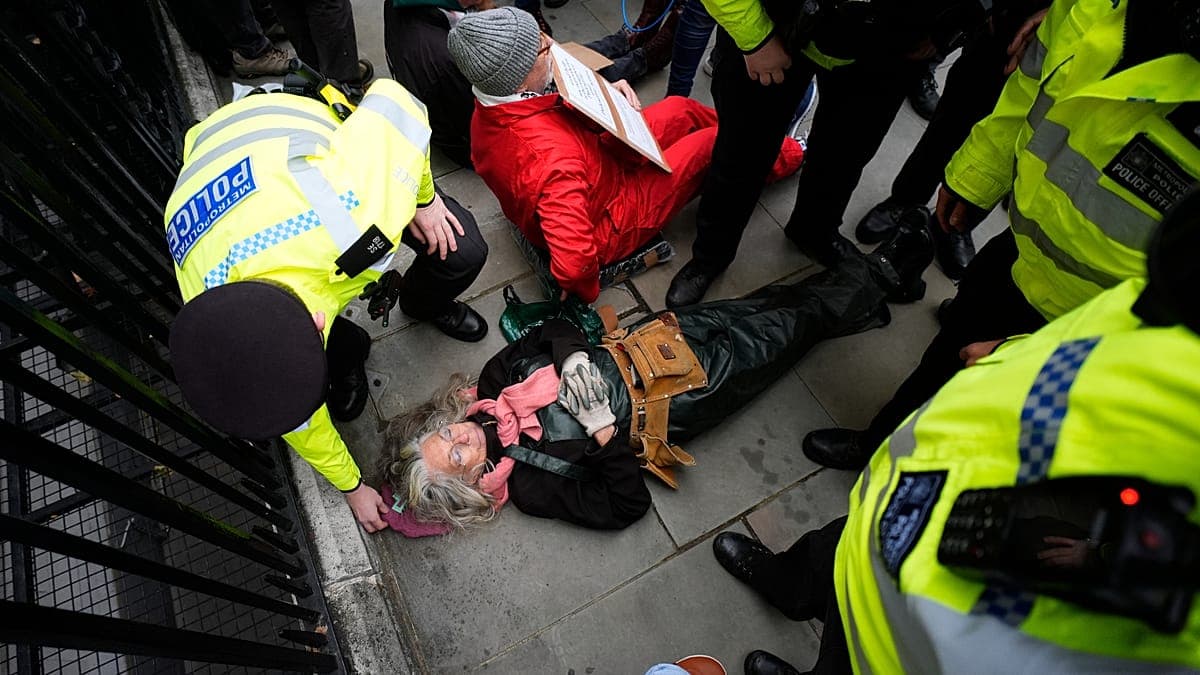
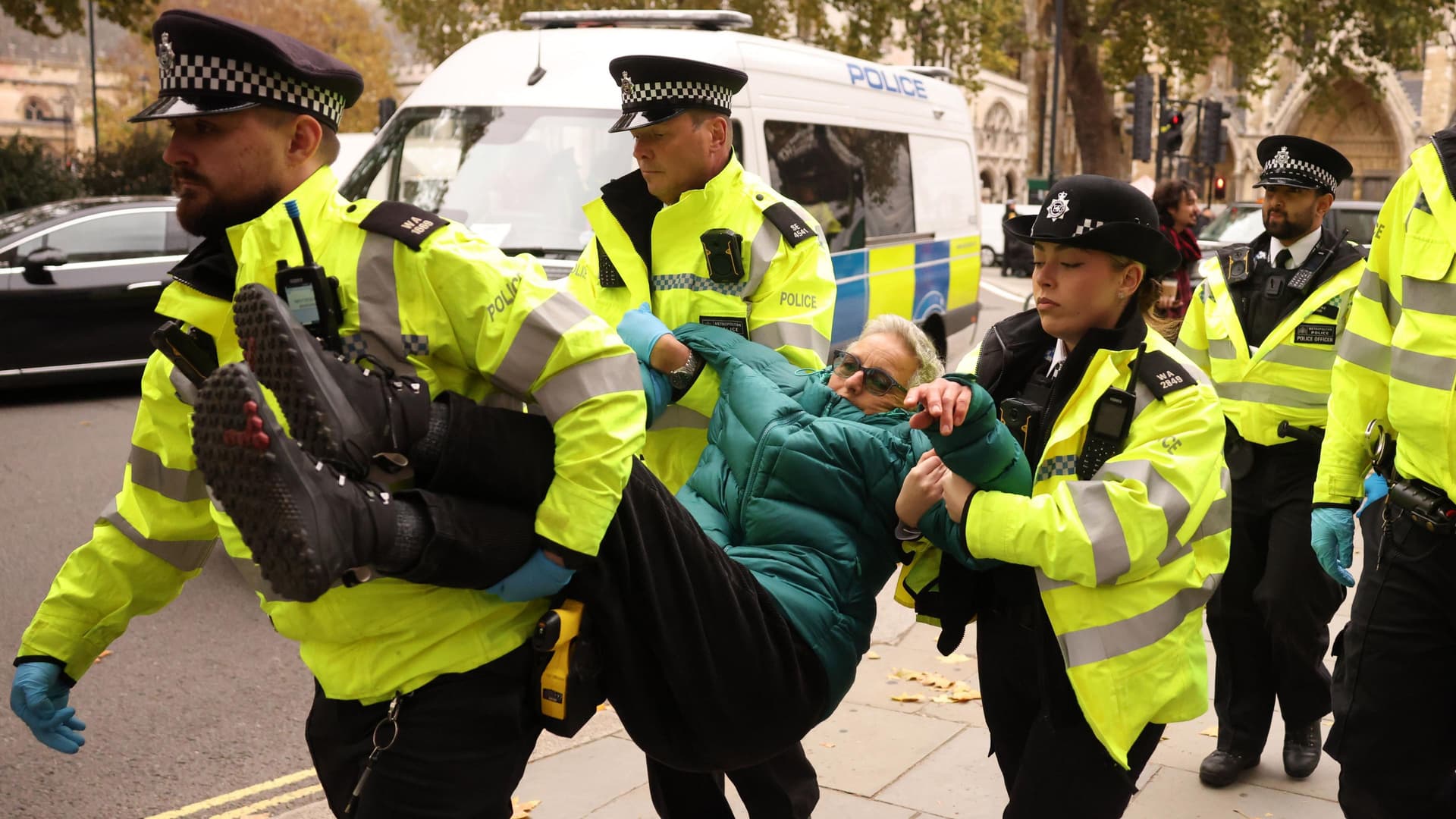
On Wednesday, hearings began at the UK Supreme Court regarding a lawsuit filed by Huda Ammori, co-founder of the banned group Palestine Action, against its designation as a terrorist organisation. As reported by BBC News, lawyers stated that the ban has triggered a 'crisis of confidence' in counter-terrorism laws and provoked unprecedented civil disobedience among law-abiding protesters. The five judges were informed that the country's highest court is considering for the first time whether banning an organisation under counter-terrorism legislation is compatible with freedom of speech and protest. During the session, police arrested 27 protesters outside the court building.
Scale of arrests and fate of cases
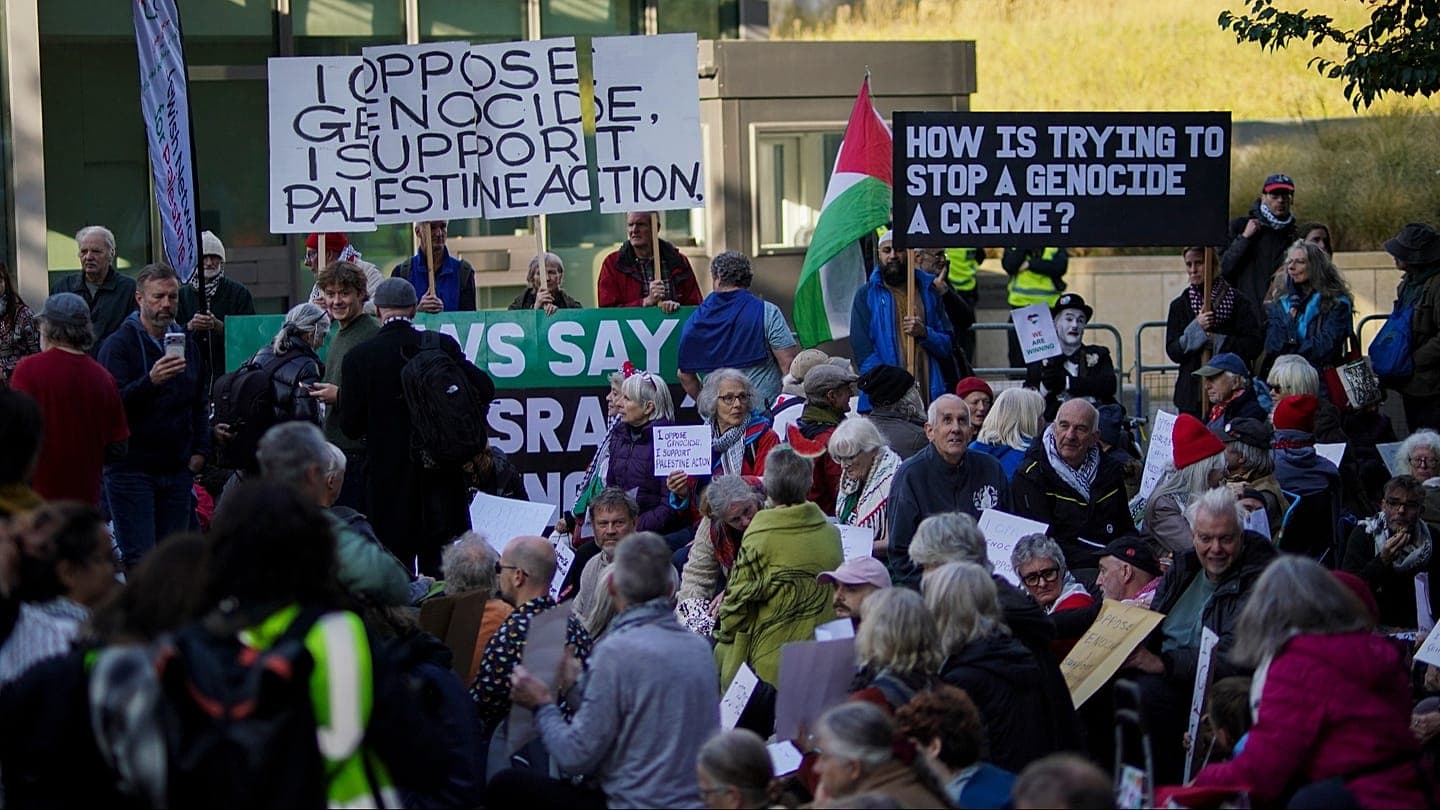
According to Home Office data reviewed by the BBC, more than 4,000 arrests were made at demonstrations featuring placards supporting the group; many demonstrators were detained multiple times, and prosecutors approved 1,200 charges. These cases remain in limbo until the outcome of the trial. Lawyer Henry Blaxland stated that the ban did not deprive the group of public attention or discredit it, but merely 'added fuel to the fire' of one of the most discussed issues of our time, and called the decision disproportionate and unnecessary.
Positions of the parties regarding the nature of the group
Ammori's lawyers acknowledged that Palestine Action cannot be described as an ordinary peaceful protest organisation: its members carried out 'direct actions' against companies linked to the Israeli military sector. According to them, only three out of 385 incidents assessed by the Home Secretary fall under the legal definition of terrorism, while most actions amounted to graffiti, minor vandalism, occupations, and 'lock-ons'. Raza Hussain emphasised that judges should assess whether the minister's decision itself was disproportionate. Meanwhile, one group member was convicted of breaking a police officer's spine with a sledgehammer, but, as the court reported, the group never advocated such violence.
Objections from Jewish organisations
A coalition of Jewish groups opposed lifting the ban. In written submissions, lawyer Adam Wagner described Palestine Action as a 'sinister' organisation targeting the interests of the Jewish community, noting that by the time of the ban, its actions had become increasingly serious, with targets shifting from the defence company Elbit to 'Zionist' figures and institutions. Since most British Jews are connected to Israel, he argued, such a campaign practically threatens the core of the Jewish community. Hearings will continue on Thursday, with a ruling expected later.
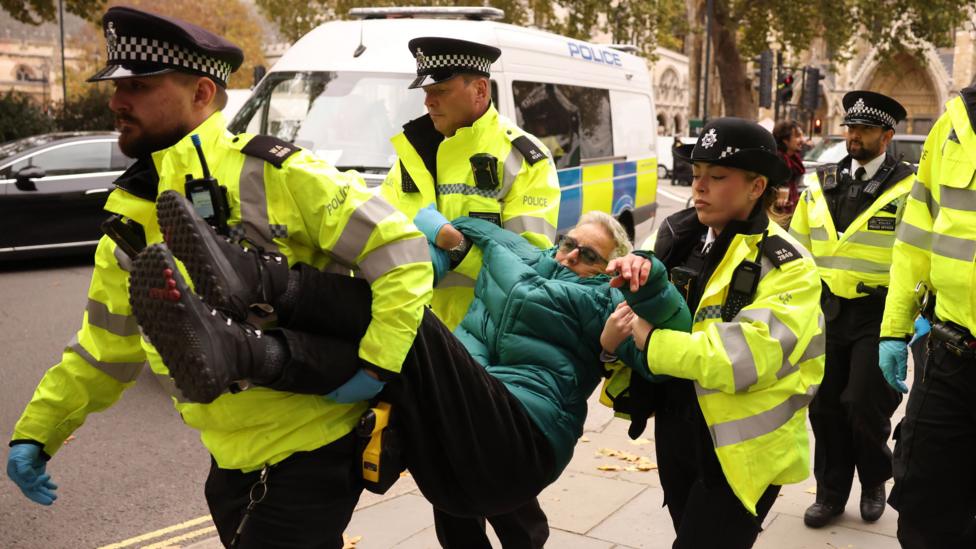 Image source, EPA
Supporters of Palestine Action were arrested outside the Supreme Court, where a hearing over the group's ban began on Wednesday