The key facts
- The UK Supreme Court is hearing an appeal by Palestine Action co-founder Huda Ammori against the government's July 2025 decision to designate the group as a terrorist organization.
- In February, the High Court ruled the ban disproportionate, but the Court of Appeal overturned this decision in June.
- According to Defend Our Juries, approximately 4,200 arrests have been made since the ban; 325 people were detained over the weekend outside the US embassy.
Final appeal at the Supreme Court
On November 4 and 5, the UK Supreme Court is hearing an appeal by Huda Ammori, co-founder of Palestine Action, against the government's July 2025 decision to designate the group as a terrorist organization. This was reported by Euronews and The National. Ammori's lawyers argue that the ban failed to strike a fair balance between the rights of campaigners and the interests of society, and that the Home Office had other measures available to curb the group's activities. According to documents submitted to the court by her barrister, Razia Hussein KC, less than 1% of the group's direct actions over five years met the definition of terrorism; Euronews cites a figure: only three out of 385 actions were assessed as meeting this definition.
A controversial legal history
The case has already passed through two courts with opposite outcomes. In February, the London High Court ruled the ban decision 'disproportionate' and pointed to 'significant interference' with freedom of speech and assembly. However, in June, the Court of Appeal overturned this ruling, concluding that the ban was 'not unlawful' and that Palestine Action is 'an underground organization operating through secret cells'. If the Supreme Court does not rule in Ammori's favor, she has already stated her intention to apply to the European Court of Human Rights, according to Euronews. Jewish organizations Community Security Trust and Jewish Leadership Council have joined the proceedings, intending to highlight that the group's 'violent activism' has shifted from companies linked to Israel to 'Jewish businesses and premises in Jewish community areas'.
Mass arrests and a new group
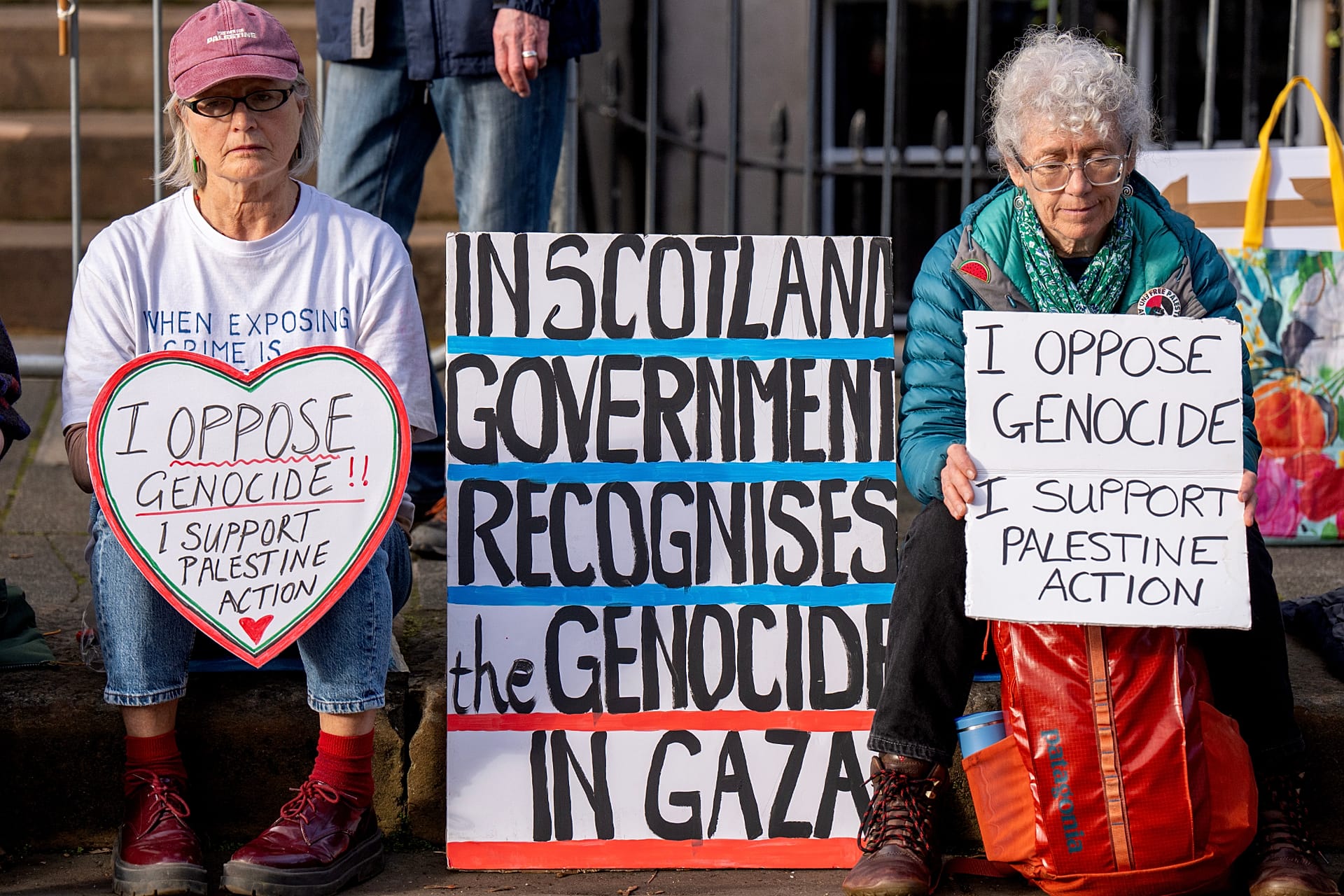
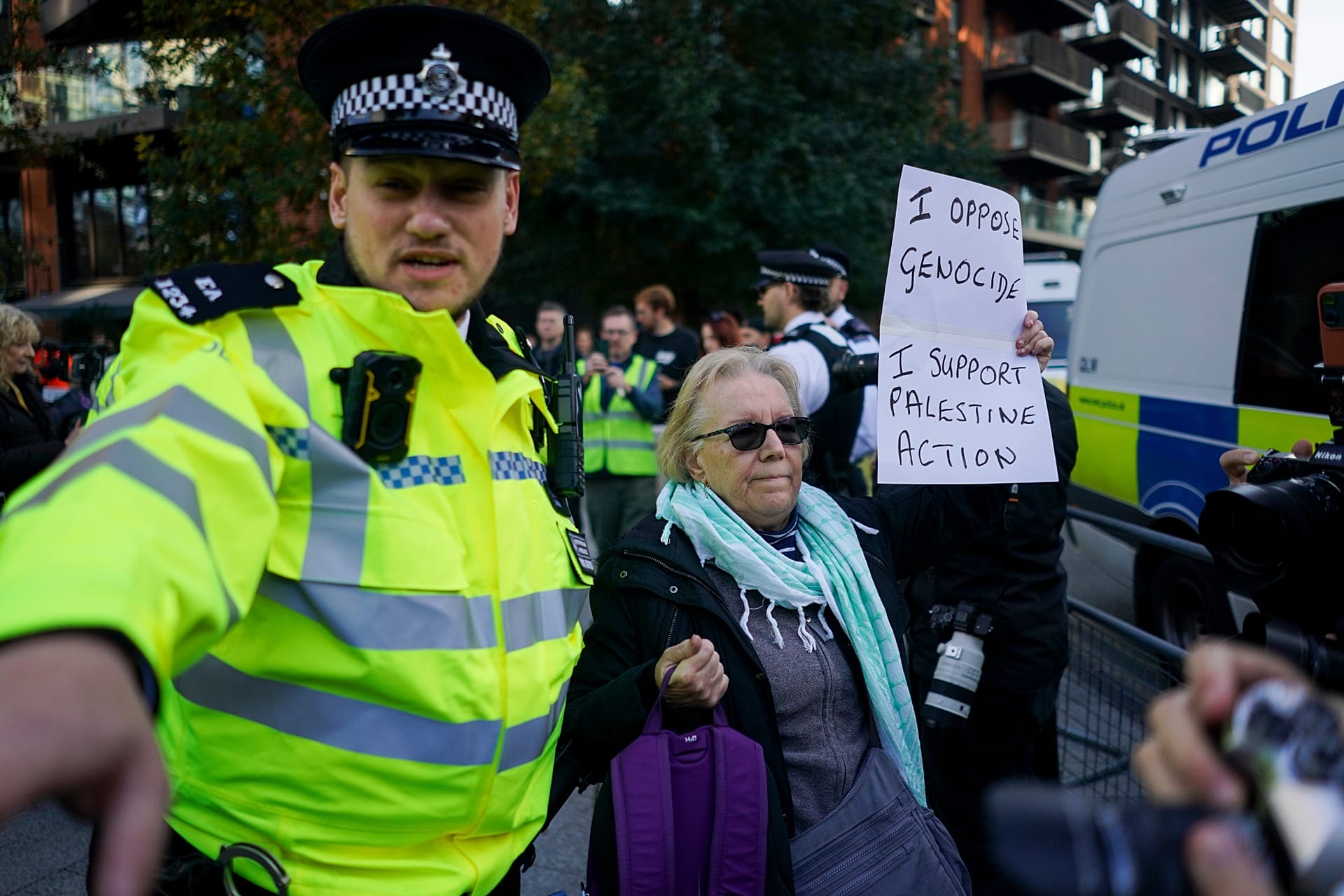
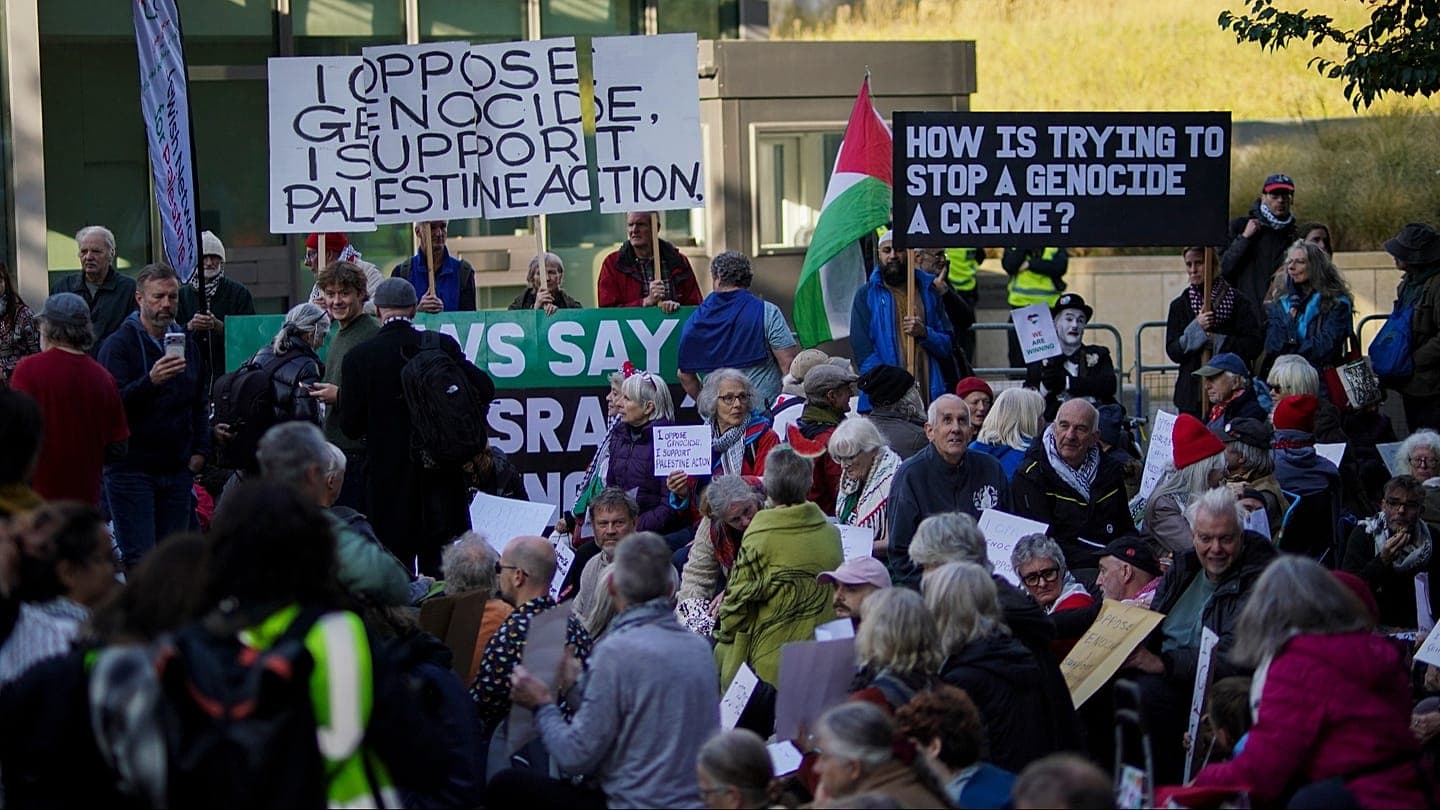
The ban, introduced by then-Home Secretary Yvette Cooper following an activist raid on a British airbase (damage from which was previously estimated at £1.7 million, with the final amount potentially reaching £15 million), made public support for the group a criminal offense under terrorism law, punishable by up to 14 years in prison. According to protest organizer Defend Our Juries, approximately 4,200 people have been arrested since the ban; over the past weekend, police detained 325 people outside the US embassy in London for holding signs saying 'I am against genocide, I support Palestine Action'. Among those arrested are pensioners, a priest, a former financial advisor, a military veteran, and Greta Thunberg. On Wednesday, 150 scientists and writers, including Sally Rooney, sent a letter to the Supreme Court in support of the group. Meanwhile, as reported by The National, on Monday a new group called People Against Genocide announced it had infiltrated the Ultra Intelligence & Communications defense company complex in Tring (Hertfordshire) and destroyed satellite equipment with sledgehammers; earlier in July, a similar raid reportedly caused £1.3 million in damage.