The key facts
- Greenland's parliament ratified the agreement on November 3: 16 in favor, none against, 7 abstentions
- The agreement provides for two new US bases and the 'Golden Dome' missile defense system, but preserves Danish sovereignty
- Entry into force requires ratification by the Danish parliament — the vote is scheduled for November 19
Ratification in Nuuk
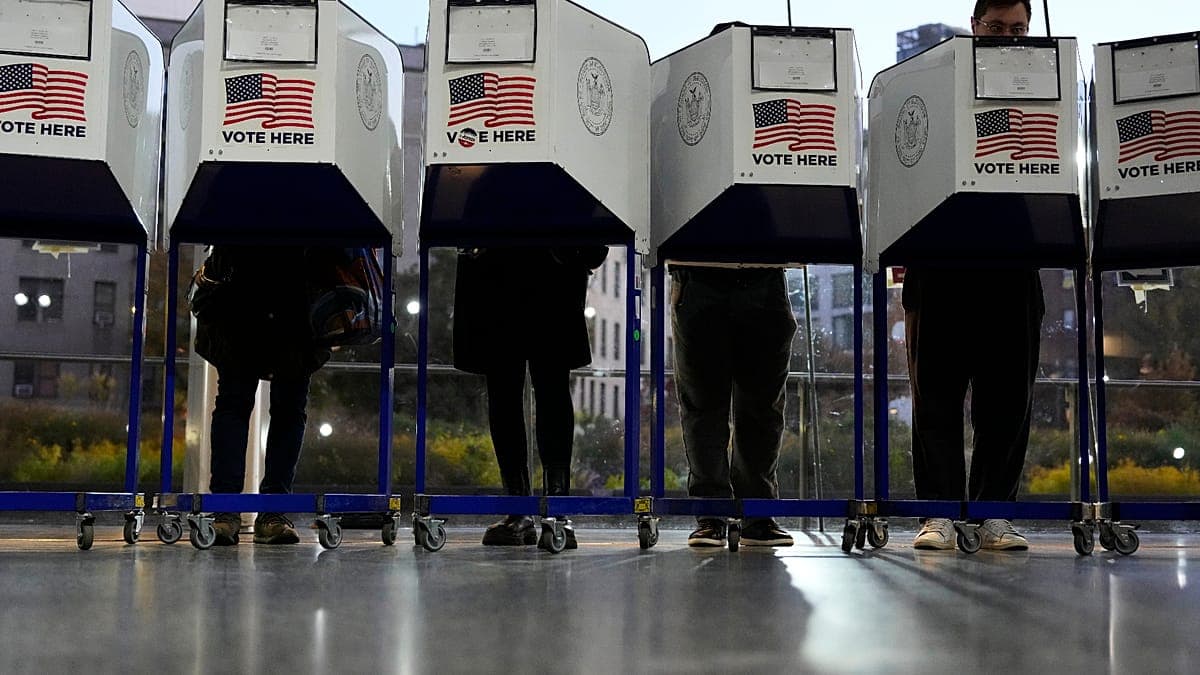
On November 3, 2026, the parliament of Greenland approved a trilateral security and military access agreement with the United States and Denmark, opening the way for an expanded American military presence on the strategically located and mineral-rich island. According to Deutsche Welle, the vote took place in the capital, Nuuk. As reported by Gazeta.uz citing Reuters, 16 deputies voted for the agreement, none voted against, and 7 abstained. Already at the first discussion in October, the majority of legislators had supported the document.
What the agreement provides for
The document was signed in September 2026 by US President Donald Trump, Danish Prime Minister Mette Frederiksen and Greenlandic Prime Minister Jens-Frederik Nielsen on the sidelines of the UN General Assembly in New York. It allows the creation of two new American military bases and the deployment of the 'Golden Dome' missile defense system, while Greenland remains under Danish control and the Greenlanders' right to self-determination is confirmed. According to Gazeta.uz, the executive agreement does not require approval by the US Senate to enter into force — ratification by Denmark and Greenland is sufficient. The Danish parliament will consider the bill in two readings: on November 11 and November 19, with the vote scheduled for November 19 in Copenhagen.
Context: from threats to a deal
The agreement is the result of years of pressure from Trump, who since January 2026 had demanded US control over Greenland, citing American security interests, and threatened the use of military force and tariffs against European allies. Trump claimed that Denmark was not adequately protecting its autonomous Arctic territory from threats from China and Russia. According to Deutsche Welle's assessment, these threats damaged US relations with Denmark and alarmed European NATO allies. Tensions eased on January 21 after Trump's meeting with NATO chief Mark Rutte in Davos, where a 'deal concept' was announced to expand the Pentagon's access to Greenland, which later evolved into the September agreement. Denmark repeatedly stated its readiness to expand the American military presence, but rejected the demand to make Greenland US territory.
Criticism and the authorities' position
Before the vote, Greenland's Foreign Minister Mute Egede told deputies: 'We must acknowledge that peace and stability can no longer be taken for granted.' Opposing the deal was Pele Broberg, chairman of the pro-independence Naleraq party, who questioned the deal's economic value: 'We are seeking a better agreement from which we can benefit when we become an independent state. But no economic benefit has been gained from this agreement.' Critics also pointed out that a similar deal could have been concluded without the 'extreme upheavals' caused by Trump's territorial and tariff threats.
What is already in effect and what is changing
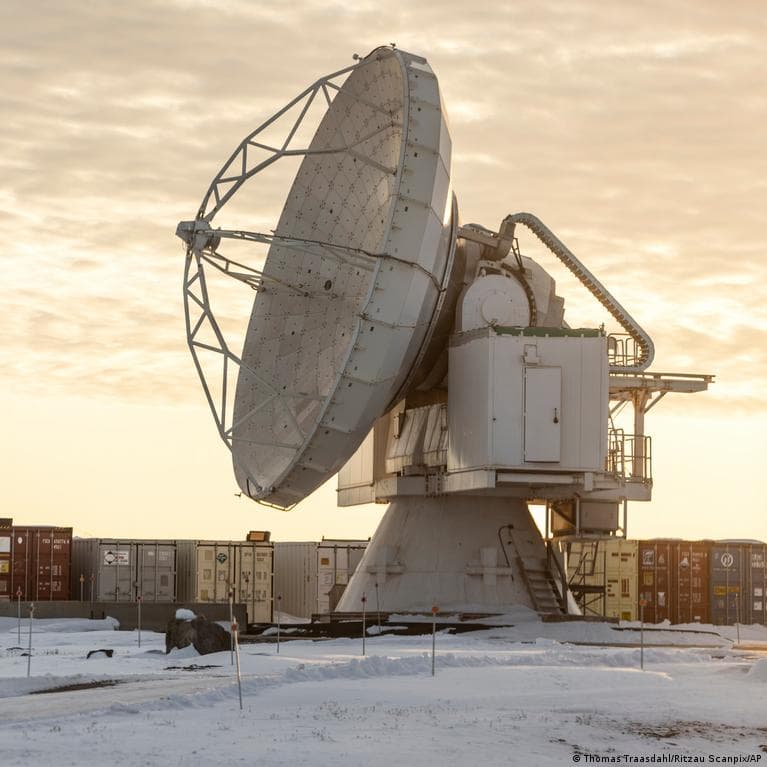
Under the 1951 agreement, the US already enjoys considerable military freedom of action in Greenland; however, after a voluntary reduction of its presence, it retains only the Pituffik Space Base in the island's northwest, used for missile defense and radar surveillance. Thus, the ratified agreement confirms, for the first time in many years, an expansion rather than a reduction of the American military presence — provided the Danish parliament approves the document on November 19.