The key facts
- Democrats won Senate seats in Kansas and Texas for the first time in decades
- The expert assesses the House majority as the largest in nearly 20 years
- In Mississippi, the Senate race margin was just 29 votes
An unexpected midterm election result
On November 4, 2026, the day after the US midterm elections, the outlet Euronews published an interview with Stefan Grobe, who spoke with elections expert Boyd Wagner about the unexpected outcome of the vote. According to Wagner, the Democratic Party 'crushed' expectations, delivering historic results in traditionally Republican states: Kansas and Texas elected Democratic senators for the first time in decades.
Assessing the balance in Congress
Wagner described the upcoming balance as 'the largest [Democratic] majority in the House of Representatives in nearly two decades' and expects '55, possibly 56 seats' in the Senate for the Democrats in the incoming session. According to him, the elections were supposed to be a 'fierce battle' in which Republicans 'thought they could hold on to control,' but instead there was a massive shift in favor of the Democrats in most states.
Extremely narrow margins
Despite the overall Democratic advantage, in some states the contest came down to a minimal margin: Wagner noted that in Mississippi, in the Senate race, the leader is ahead of the rival by only 29 votes. This suggests that the final results in individual states may be subject to recounts and legal disputes — however, the very possibility of such procedures was not discussed in the publication.
What voters were choosing
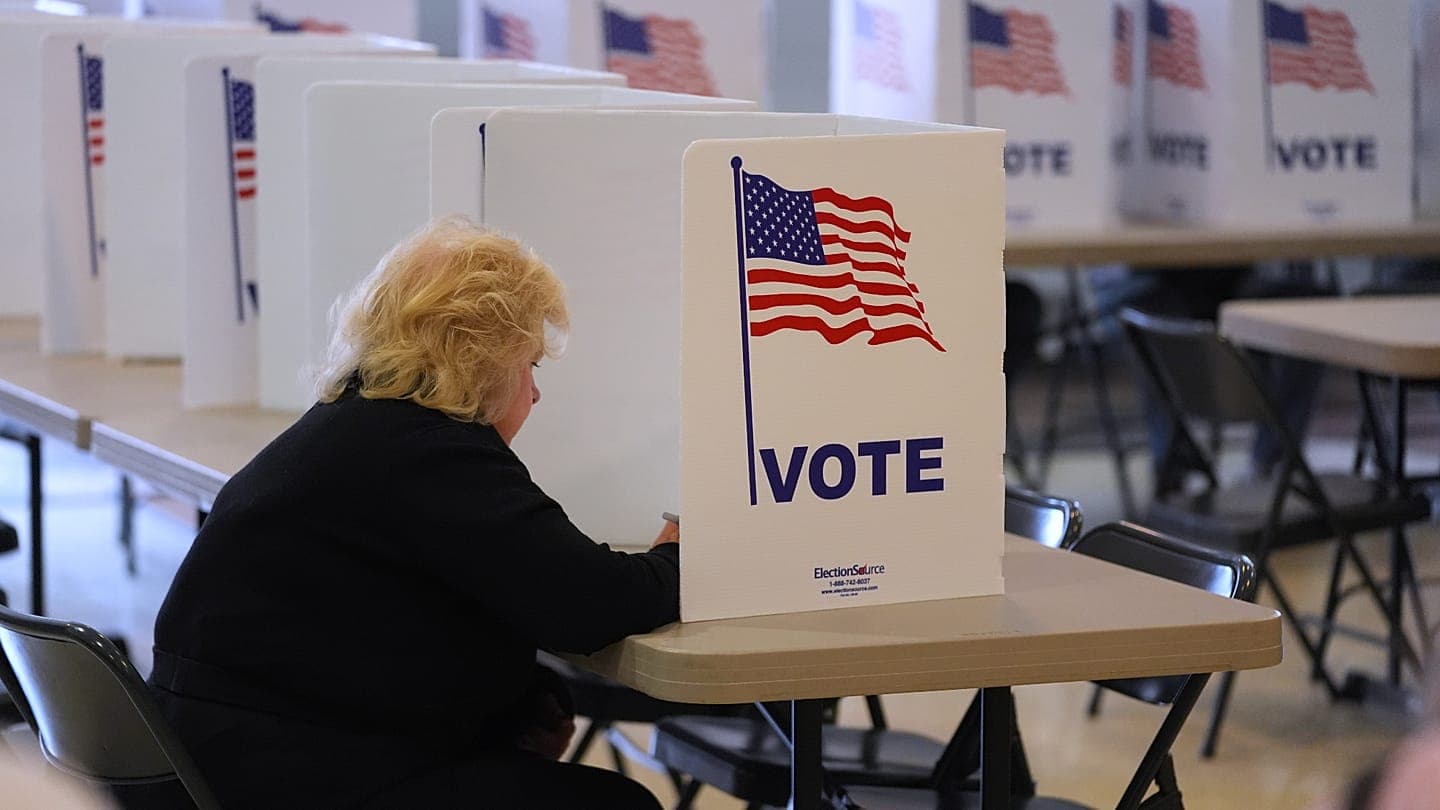
The day before, Americans voted in the midterm elections: the entire lower chamber of Congress was up for re-election, along with a third of Senate seats and several state governors. Note that the cited Senate seat figures and the assessment of the scale of the victory are a forecast and an estimate by a single expert on the day after the vote, not officially confirmed results; the final outcomes, including the situation with the minimal margin in Mississippi, remained unclear at the time of publication.