The key facts
- Democrats need a net gain of +4 for the Senate: at 50-50, the tie-breaking vote belongs to Vice President JD Vance
- Democrats need a net gain of +4 for the Senate: at 50-50, the vice president JD Vance casts the deciding vote
- The Cook Political Report rates six Republican seats as toss-ups, including Michigan — the only Democratic seat in that category
- In Texas, Alabama-like races and Kansas, Democrats lead within the polls' margin of error
- In Texas, Alabama-like races and Kansas, Democrats lead within the margin of polling error
The House is nearly settled, the Senate is not
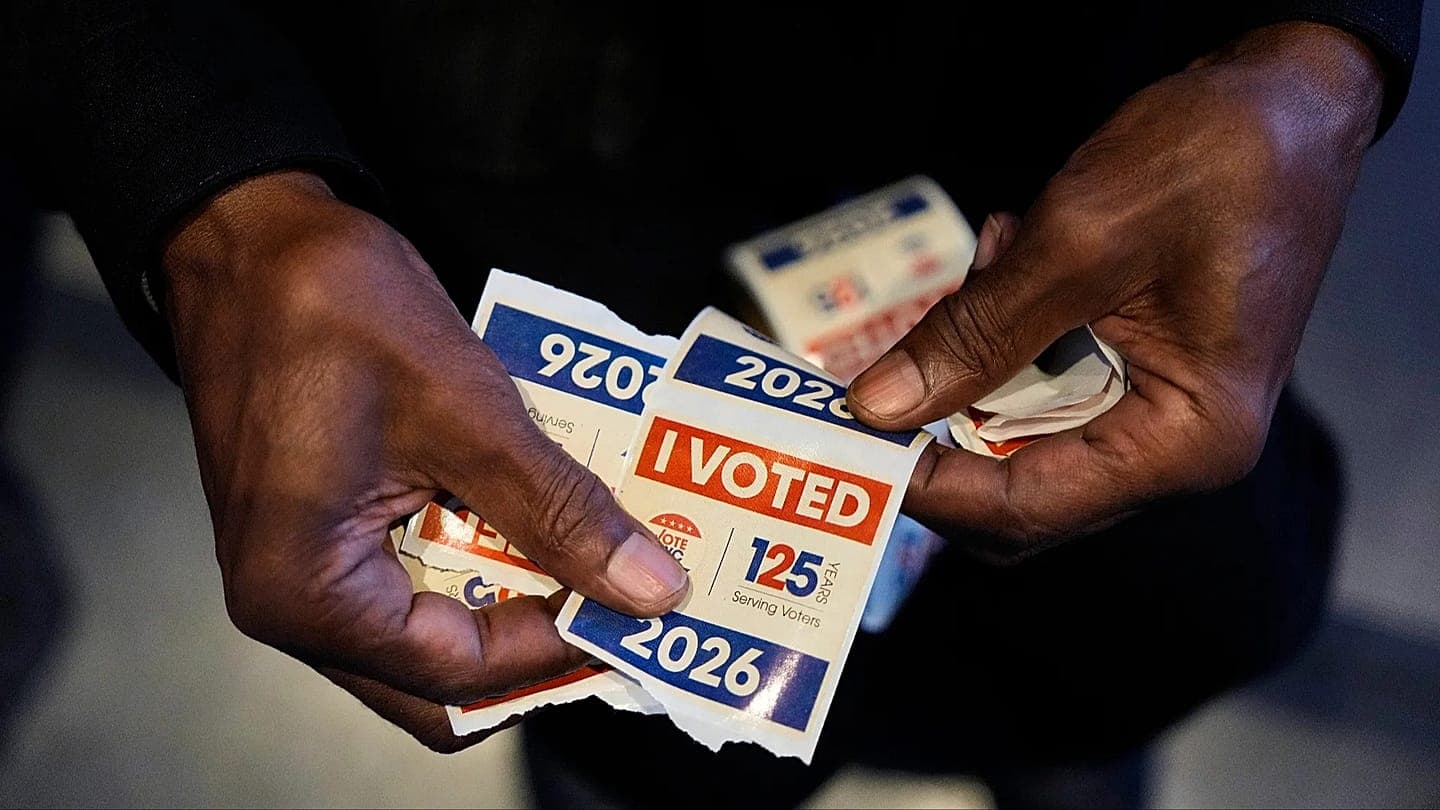
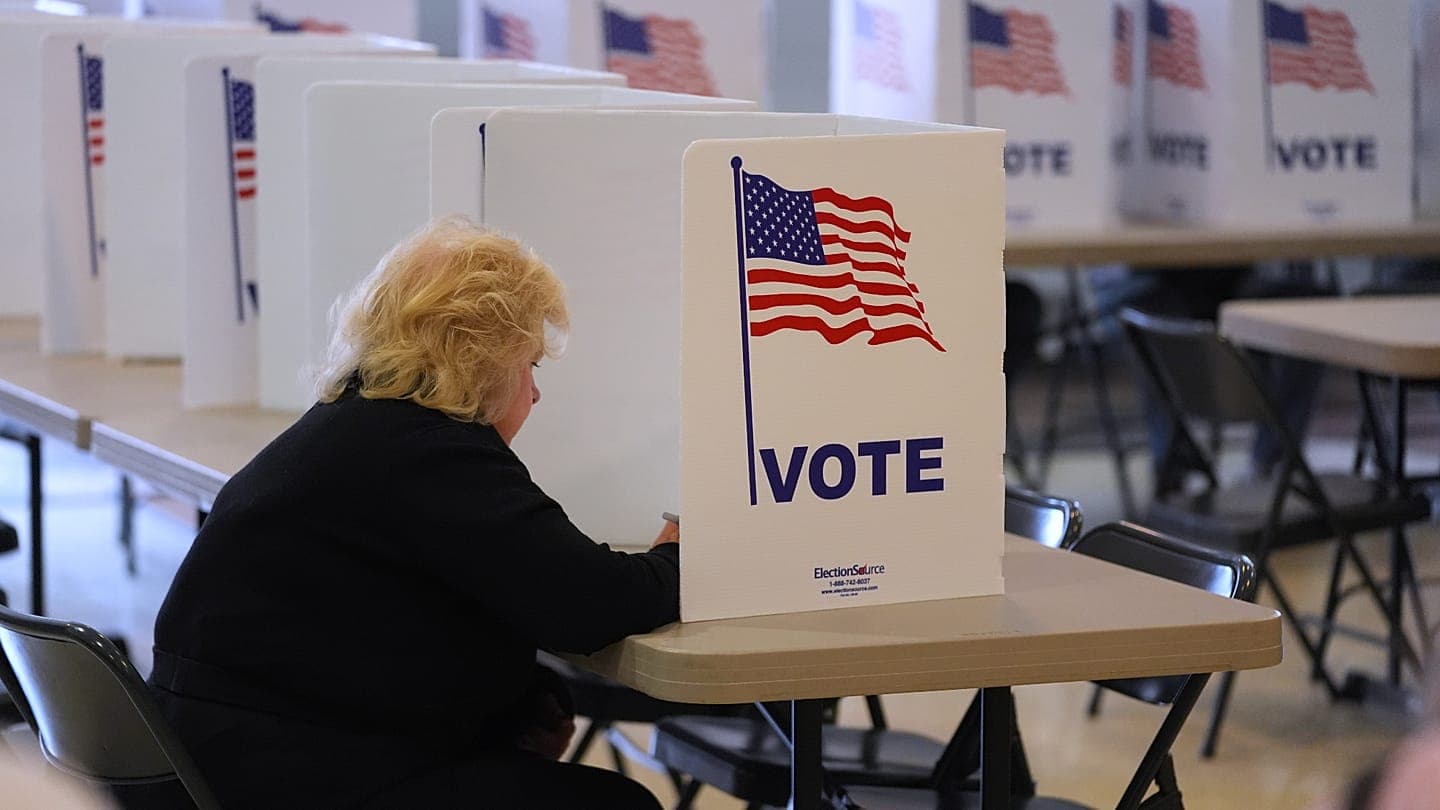
Polls have opened in the United States for the midterm elections, which a year ago Republicans had expected to get through while keeping their Senate majority; now, in the words of Euronews, that is merely a hope. In the House of Representatives, the question is not whether Democrats will win, but by what margin: prediction markets give them a 95% chance of control. The Cook Political Report counts 222 seats as Democratic or leaning Democratic — four more than the 218 needed — against 195 for Republicans, with 18 fully undecided. On a good night for Democrats, they could win up to 230 seats.
The Senate math
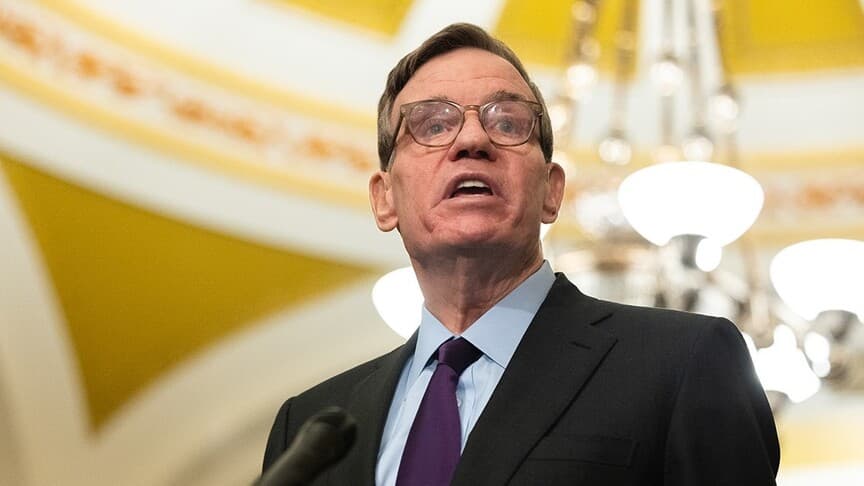
Republicans hold 53 of the Senate's 100 seats, so Democrats need a net gain of four; three is not enough, because at 50-50 the tie-breaking vote is cast by Vice President JD Vance — as Kamala Harris did a record 33 times. Prediction markets give Democrats roughly a three-in-four chance of the Senate. Cook rates six races as toss-ups, and all six are Republican seats. Democrats are defending three seats (Michigan, Minnesota, New Hampshire), Republicans nine: Alaska, Iowa, Kansas, Maine, Nebraska, North Carolina, Ohio, South Carolina and Texas. Minnesota and New Hampshire look safe for the incumbent party: Peggy Flanagan leads by 5.2 points and Chris Pappas by eight points, according to RealClearPolitics averages.
North Carolina and the big prizes
The first seat to flip will most likely be North Carolina: national Republicans have effectively written it off. The party's main super PAC, the Senate Leadership Fund, had planned to spend $71 million on Michael Whatley, but in early October it canceled the remaining advertising after spending more than $30 million. Roy Cooper leads Whatley by eight points in polls by two Republican-leaning firms, Quantus Insights and Trafalgar Group. In Ohio, Sherrod Brown, who lost his seat two years ago, leads appointed incumbent Jon Husted by 2.8 points in a state Trump won by double digits. In Texas, which has not elected a Democrat to the Senate since 1988, James Talarico leads Ken Paxton 49% to 47% in a Texas Southern University poll — within the margin of error. Paxton's weakness, after he was impeached by his own party in the state House in 2023 and then acquitted by the state Senate, shows in his ratings: 57% unfavorable versus 42% favorable. Meanwhile, Republicans lead in all other statewide races according to the University of Houston's Hobby School poll, so Talarico's chance lies in a split vote.
Alaska, Kansas and the rest
In Alaska, Mary Peltola leads Senator Dan Sullivan 48% to 46% in a New York Times/Siena poll — again within the margin of error. According to the New York Times, Democratic operatives, including senior aides to Peltola and DSCC staff, recruited a namesake — a retired teacher, Daniel J. Sullivan — as a spoiler candidate; Peltola denies any involvement, Governor Mike Dunleavy has ordered a criminal investigation, and the Justice Department unsuccessfully tried through the courts to block certification of the result. In Kansas, where a Democrat has not won a Senate seat since 1932, pastor Adam Hamilton leads Roger Marshall by 4.1 points, although the Washington Post's own poll, which gave Hamilton a +10 lead, warns of a skew in respondent enthusiasm. In Maine, Troy Jackson leads Susan Collins by 3.6 points; in Iowa, Josh Turek leads Ashley Hinson 48% to 47% (Times/Siena); in South Carolina, Darlene Graham, appointed in July after the death of Lindsey's brother, leads Annie Andrews by 2.6 points; and in Nebraska, Pete Ricketts leads independent Dan Osborn by six points.
Michigan — the Republicans' chance
The only Democratic seat in RealClearPolitics' 'toss-up' column is Michigan, where Gary Peters is retiring. If Republicans win here, Democrats would need five flips instead. Democratic candidate Abdul El-Sayed, backed by Bernie Sanders and Alexandria Ocasio-Cortez, leads by 5.3 points in polling averages, but by only one point according to Trafalgar Group. The intra-party rift has sharpened: on Sunday, Congresswoman Haley Stevens, whom El-Sayed nearly defeated in the primary, endorsed Republican Mike Rogers after she was not invited to a joint event. Senate Democratic Leader Chuck Schumer called it a 'despicable betrayal,' while Democratic Senator John Fetterman sided with Stevens, saying of El-Sayed that he has 'the worst case of short-man syndrome in his life.' The outcome, as Euronews concludes, will come down to turnout: in 2022 pollsters underestimated Democrats, and in 2024 Republicans exceeded polling expectations.