The key facts
- The UK government plans to build 1.5 million homes by the end of 2029; conservationists fear for ancient woodlands
- The UK government plans to build 1.5 million homes by the end of 2029; nature defenders fear for ancient woods
- The National Planning Policy Framework allows development of ancient woodland only in 'wholly exceptional circumstances'
- In Derby, more than 1,500 people object to around 150 homes next to Chaddesden Wood; in Rossington, more than 2,000 oppose 130 homes near Gelster Wood
- In Derby more than 1,500 people object to ~150 homes near Chaddesden Wood; in Rossington more than 2,000 object to 130 homes near Gelster Wood
Pressure on ancient woodlands
Ancient woodland campaigners fear that the Labour government's drive to build 1.5 million new homes by the end of 2029 and the recent introduction of the concept of the 'grey belt' — lower-quality open land suitable for development — pose a threat to England's ancient woodlands, despite existing protective rules. This is reported by a BBC News investigation, prepared by its Shared Data Unit. According to the outlet, the BBC has identified dozens of individual sites where planned development directly adjoins ancient woodland.
What the law protects and where disputes arise
Ancient woodland is land that has existed continuously since at least 1600; such sites are considered among the richest wildlife habitats in the UK. The National Planning Policy Framework (NPPF), which local councils in England follow, allows development on such land only in 'wholly exceptional circumstances' — for example, as part of major infrastructure projects such as HS2. The Ministry of Housing, Communities and Local Government stated that ancient woodlands still enjoy 'very clear and strong protection', and that the rules explicitly require refusal of projects leading to the loss or deterioration of such woodland; exceptions, according to a department spokesperson, are extremely limited and concern only certain projects of national significance, which require compensatory measures. The department also noted that the revised version of the NPPF, published in August, contains clearer rules for assessing projects affecting irreplaceable habitats.
Examples of contested sites
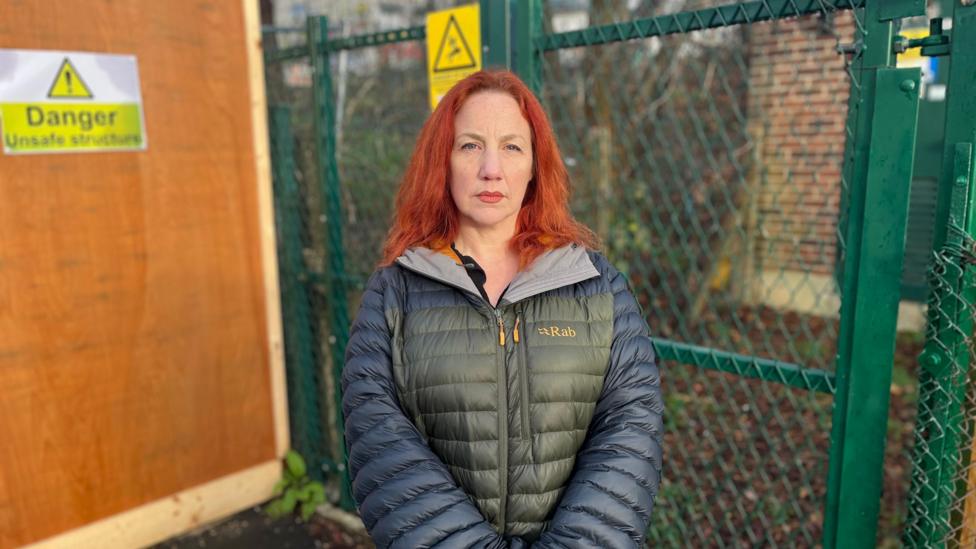
Among the cases identified by the BBC is an approved plan for 450 homes within yards of Hook Wood in Gillingham (Kent), which residents fear will affect local wildlife. In Derby, more than 1,500 people, including Helen Cherry, who has lived nearby for 40 years, object to plans for around 150 homes next to the Chaddesden Wood nature reserve: according to her, the woodland is at least 400 years old, with mature hazel and oak growing there, and development up to the boundary of the ancient woodland would leave the site 'closed in on all sides'. Derby City Council rejected the plans in 2025, but surveyors have been spotted on the site over the summer; residents fear that the developer, JGP Properties Limited, will return with revised proposals. The company itself told the Local Democracy Reporting Servicethat its assessments demonstrate 'no loss or deterioration of ancient woodland and veteran trees'. In South Yorkshire, a campaign against 130 homes on land around Gelster Wood has gathered more than 2,000 supporters in the village of Rossington near Doncaster; local beekeeper Gary Cantrill described the site as 350-year-old historic farmland and expressed concerns about flooding, since the fields currently absorb 'huge amounts of rainwater'. The developer, Albemarle Homes, stated that the woodland itself is not included in the initial site, and that any future plans would have to comply with environmental regulations.
Positions of conservation organisations
The Royal Society for the Protection of Birds (RSPB) noted that protection for irreplaceable habitats has improved following recent changes to the NPPF, but the organisation's head of planning policy, Carl Bunnage, called it insufficient. In his view, the 'wholly exceptional circumstances' formula amounts to a loophole for developers, especially in areas with a housing shortage, and the planning reform as a whole favours development: housing and economic policy is often given greater weight than nature protection. Ancient Woodland UK chair Lucy Grebe-Watson said that cases are already visible where existing protections are 'struggling', and that since the recent planning reforms there has been a rise in enquiries and alarm signals from local groups. Ecological consultant Matt Shardlow, who is working with the campaign in Rossington, explained that harm to ancient woodland is possible even without felling trees: roots beyond the site boundaries can be damaged during construction, drainage from new housing can dry out individual tree species and pollute their water supply, while noise and light pollution can displace sensitive species; even domestic cats, he said, can affect populations of ground-nesting birds and bats.
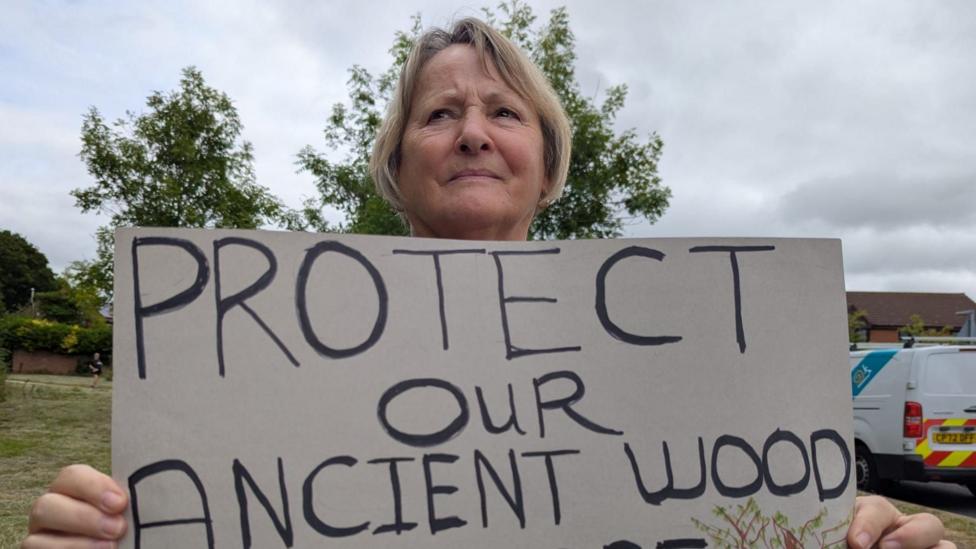 Image source, Local Democracy Reporting Service
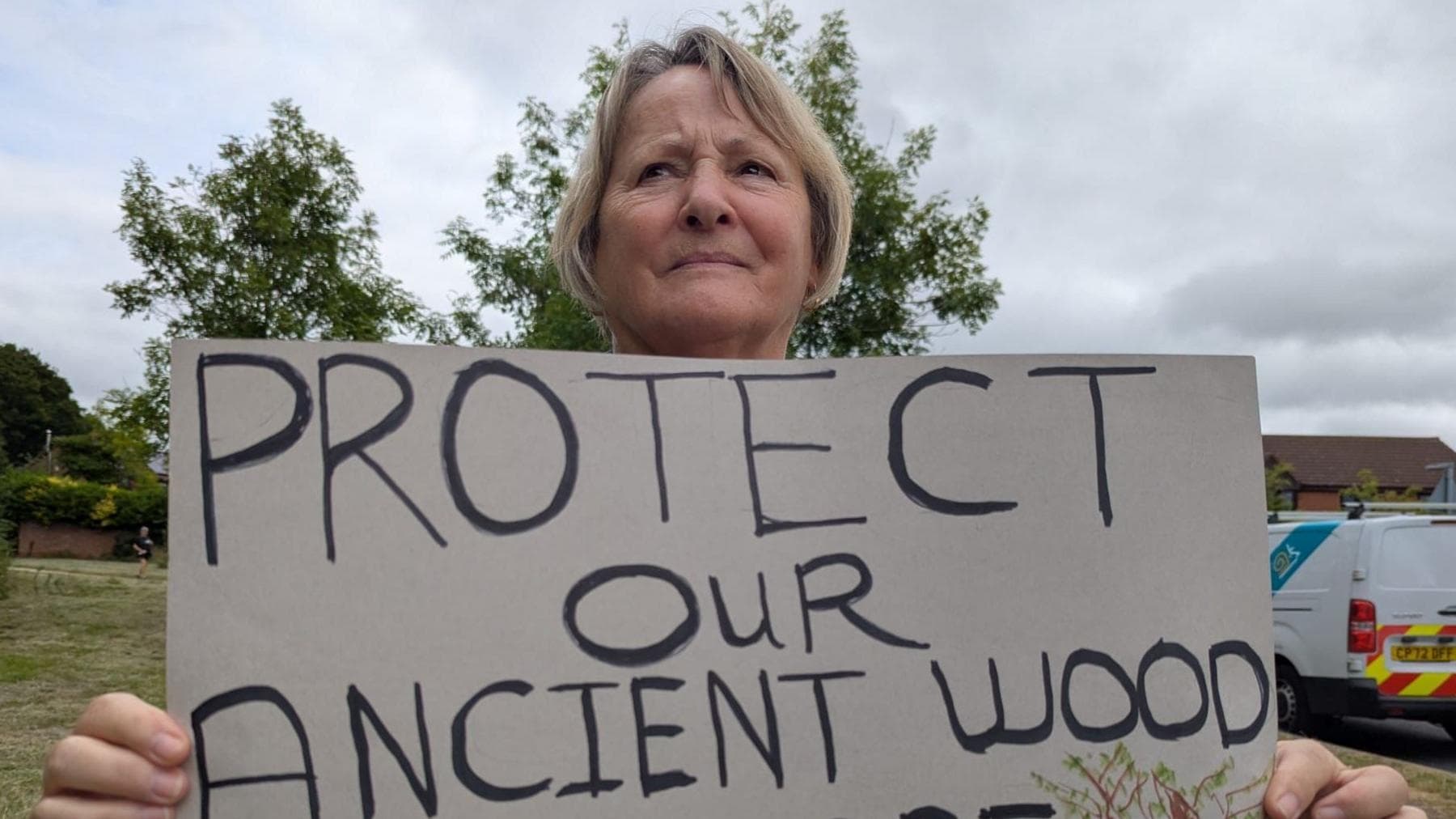
People living near Chaddesden Wood in Derby are among those who have been campaigning to protect ancient sites
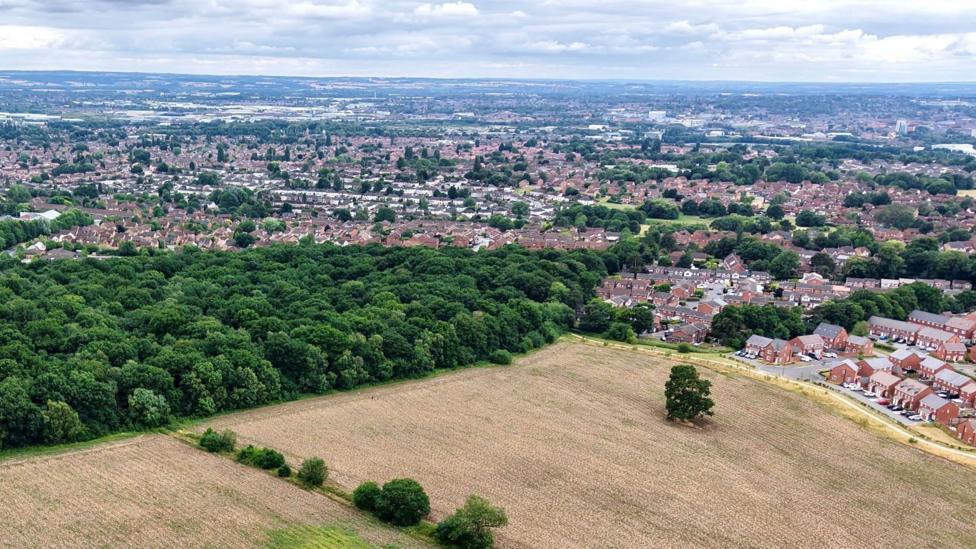 Image source, Chaddesden Wood campaign group
Chaddesden Wood is bordered by residential development on several sides, with residents keen to preserve the ancient habitat.
 Image source, Preserve Littleworth Lane
The Preserve Littleworth Lane campaign group says the route is valued by residents for its rural setting and wildlife
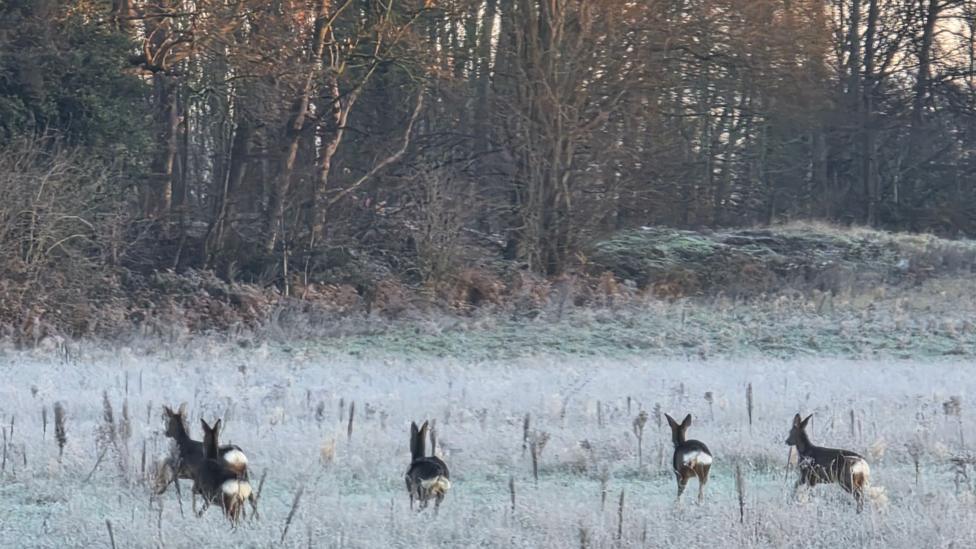 Image source, Preserve Littleworth Lane
Campaigners say Pithill Farm Meadows, pictured beside ancient woodland at Littleworth Lane, provides habitat for wildlife including deer. Plans for about 120 homes on the site are under consideration, with part of the proposed development located close to the woodland edge.