The key facts
- Nabeela Syed defeated Darby Hills 57% to 43% in the US midterm elections
- Data centers became the key campaign issue: their energy consumption, noise, and environmental impact
- The victory came on a night when Democrats were pushing Republicans back across the country
Victory in Illinois' 26th District
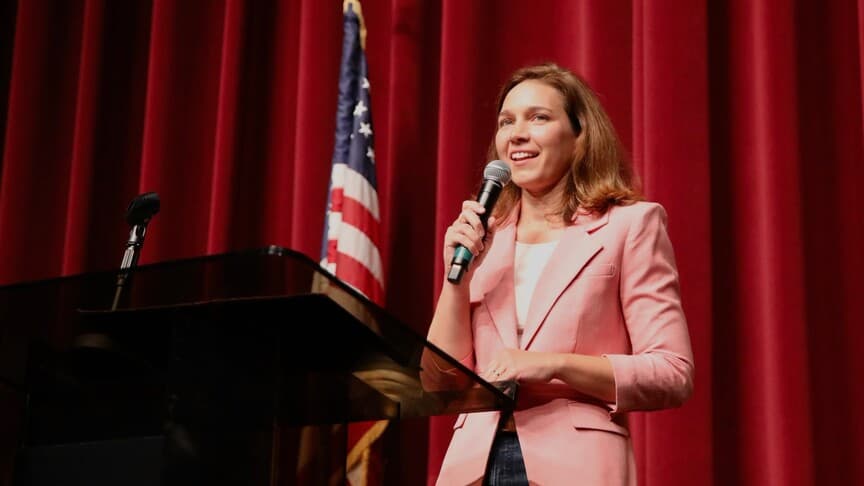
Democrat Nabeela Syed took a seat in the Illinois State Senate from incumbent Republican Senator Darby Hills, winning 57% of the vote to her opponent's 43%. In 2022, Syed became one of the first Muslim women to join the Illinois General Assembly. Her victory came on the night of the 2026 midterm elections, when Democrats achieved wins across the country — something The National describes as a major blow to President Donald Trump: according to the outlet, Democrats took the House of Representatives and the Senate.
Data centers as the centerpiece of the campaign
In the final weeks of the campaign in the 26th District, Syed appeared in an ad in which she rode an electric scooter and talked about data centers and taxes. Her campaign website stated that data centers consume enormous amounts of energy and that the companies creating this demand should cover the costs themselves, and that the expense should not «show up on our electricity bills». She backed Democratic Governor J. B. Pritzker in signing a law he called «the strongest AI safety accountability law in the country», and approved his decision to suspend tax incentives for new data centers amid residents' complaints about the environmental impact, noise, and other issues.
The issue forced both sides to change course
Concerns about Big Tech's influence on politics, the environment, and energy consumption became so central to Syed's campaign against Hills that the Republican, in the final weeks, also began calling for greater accountability from data center developers. Polls in recent months show that Democrats are more concerned than Republicans about AI and data centers, but some committed Republicans are also unhappy with their spread; Republican politicians criticized data centers less often, which, according to the outlet, cost them support among independent voters. According to Axios, an internal Republican Party memo advised candidates in tight races to shift their rhetoric: emphasizing that data centers are built only with local residents' approval and that companies pay for their own electricity, with a focus on the importance of the US winning the AI race against China.
The White House's position
In recent weeks, Trump said he considers concerns about unregulated AI and fears around data centers «fake news». However, earlier this year the administration apparently recognized the discontent amid the data center construction boom and rising electricity bills: in February he promoted a largely non-binding commitment to protect ratepayers, under which tech companies and data center developers promise to supply electricity to their own sites rather than drawing it from the existing grid.