The key facts
- Takotsubo syndrome ('broken heart syndrome') causes symptoms similar to a heart attack: chest pain, shortness of breath, weakness
- The cause is a powerful release of stress hormones, not blocked blood vessels
- The cardiologist calls stress a significant risk factor for cardiovascular diseases
A heart that 'breaks' from emotions
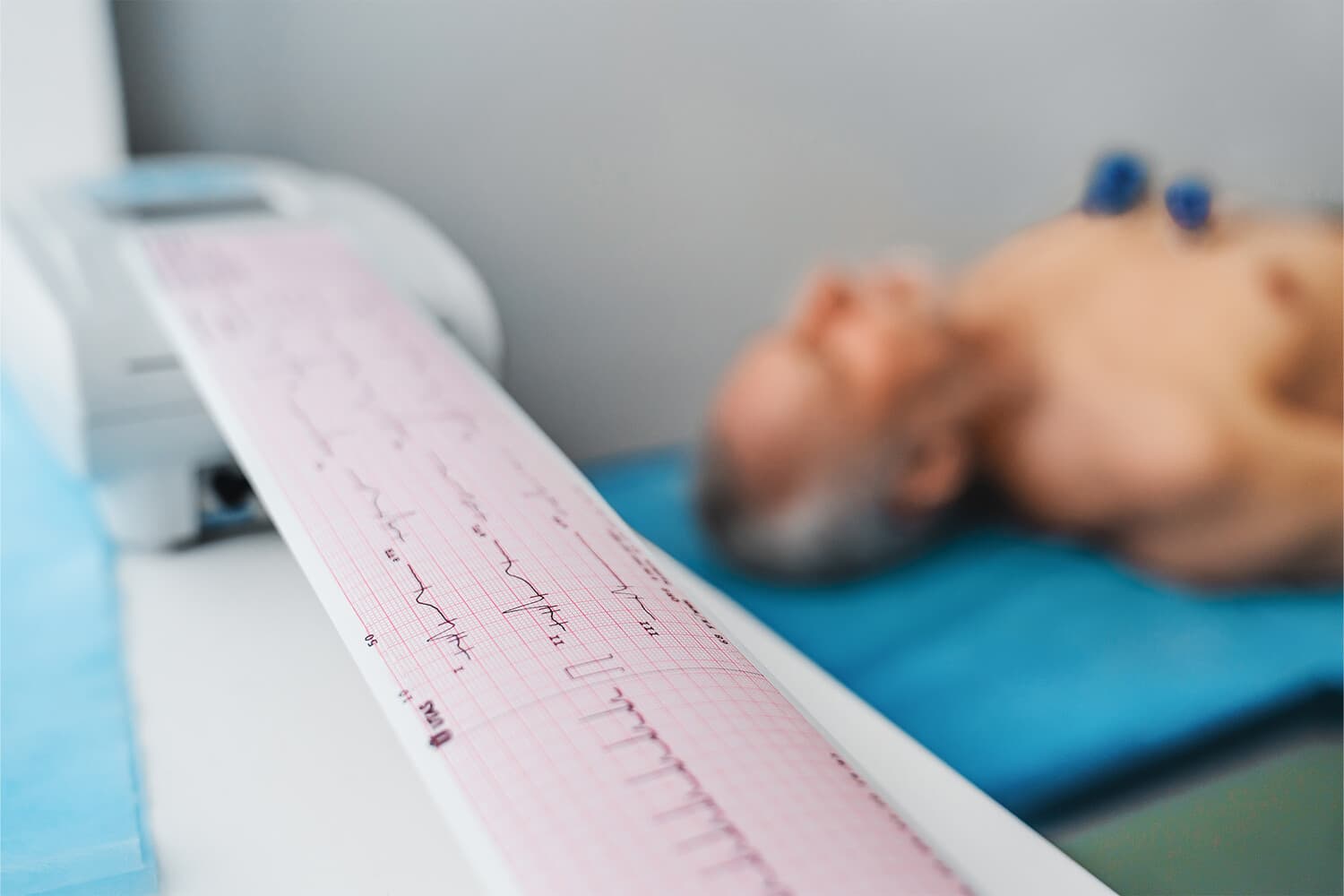
After a strong emotional shock — the death of a loved one, a divorce, or even sudden joy — the heart may temporarily lose its ability to contract normally. This was told to Gazeta.Ru by Yulia Yufereva, an associate professor at the Department of Cardiology at Pirogov University. We are talking about Takotsubo syndrome, also known as 'broken heart syndrome'.
How to tell it apart from a heart attack, and where the name comes from
According to the doctor, the symptoms of the syndrome are practically indistinguishable from a heart attack: chest pain, shortness of breath, weakness. However, the cause is not blocked blood vessels, but a powerful release of stress hormones. The syndrome got its name from the Japanese octopus trap called 'takotsubo': on scans, the heart takes on a similar shape. Yufereva also noted that people with high activity of the amygdala — the brain structure responsible for the fear and anxiety response — more often develop cardiovascular diseases. In her assessment, chronic psycho-emotional strain gradually wears out the cardiovascular system, and stress can be managed: yoga, breathing exercises, meditation, progressive muscle relaxation, and cognitive behavioral therapy, according to the cardiologist, have an evidence base and a measurable cardiological effect.
Context
The publication continues the theme of an earlier report from the same outlet: earlier, the cardiologist warned about the danger of the habit of attributing chest pain to stress. This underscores the practical risk of Takotsubo syndrome: its symptoms can easily be mistaken for an emotional reaction, although the condition requires cardiological evaluation.