The key facts
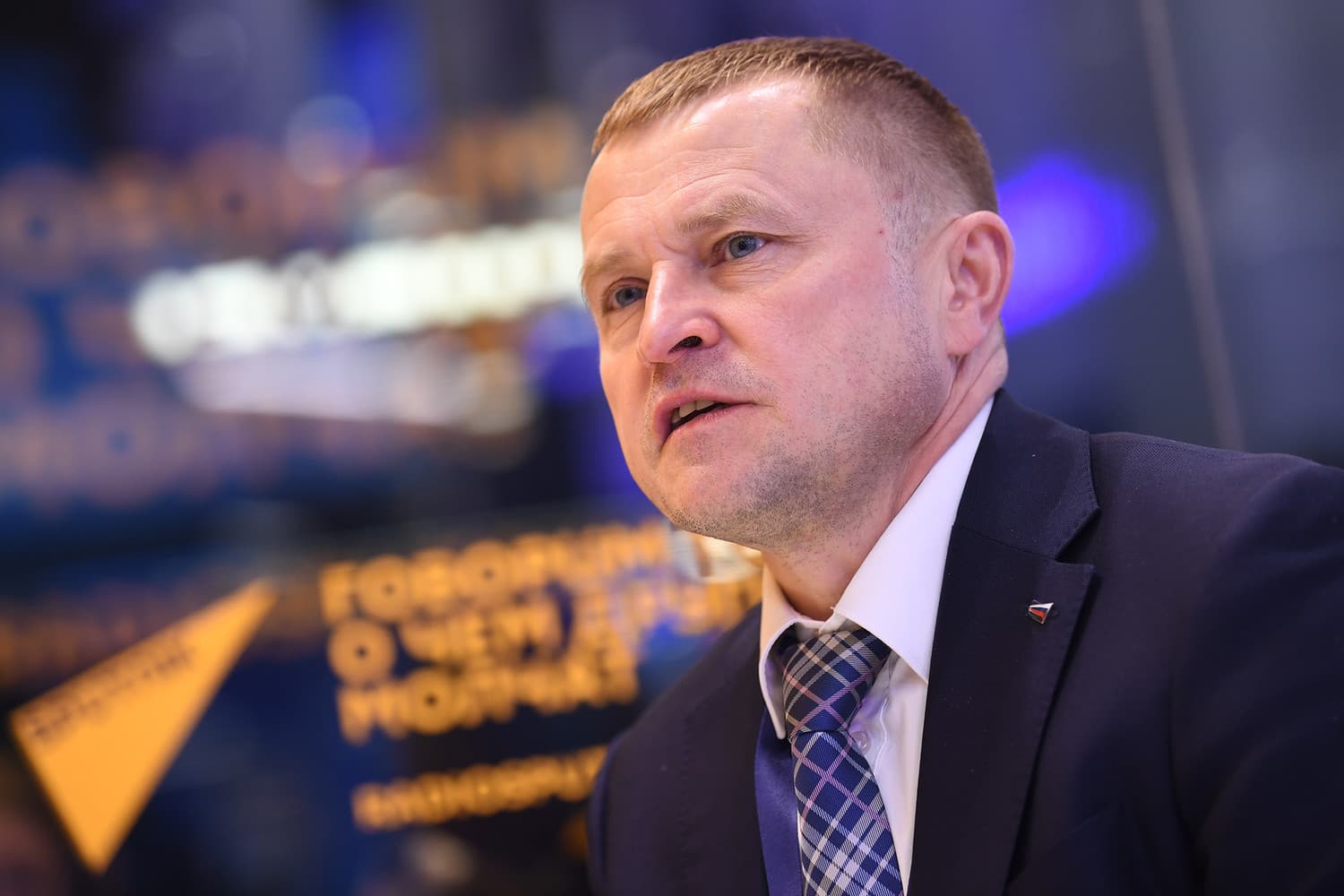
- OPORA Russia head Alexander Kalinin told Kommersant FM that non-payments will be on the agenda of the December meeting between business and Putin
- According to the RSPP, non-payments are among the top three problems of Russian business
- In the third quarter of 2026, more than 1,500 bankruptcy cases were registered — a third more than in the previous quarter
Non-payments on the agenda of the meeting with the president
At the traditional meeting between representatives of big business and Russian President Vladimir Putin, scheduled for the second half of December, entrepreneurs intend to raise the issue of non-payments. Alexander Kalinin, head of OPORA Russia, told Kommersant FM about this. According to him, business looks forward every year to the opportunity to talk with the head of state, who is well informed about the situation in the business sphere, so the acute problem of non-payments will almost certainly make it onto the agenda. Data from the Russian Union of Industrialists and Entrepreneurs (RSPP), cited by Kommersant FM, shows that non-payments rank among the top three most serious problems facing Russian business.
What is happening to companies
Kalinin noted that business costs have risen significantly, while revenue has fallen in some cases and grown only slightly in others. When profitability declines, companies no longer have enough working capital: they delay payments to counterparties, abandon investments or cut their payroll, and some end up going bankrupt. Over the past two years, the number of such companies in Russia has grown noticeably, the head of OPORA Russia emphasized. The statistics confirm this: according to the federal register of bankruptcy information (Fedorresurs), more than 1,500 corporate insolvency cases were registered in the third quarter of 2026 — a third more than in the previous quarter. Most of the cases were initiated by creditors (60%), and nearly one in four by tax authorities.
Context and business expectations
Kalinin expressed hope that negotiations on settling the Ukrainian conflict will prove successful: an end to hostilities, in his view, would free up large sums from the budget for infrastructure and support for the real sector of the economy. He recalled that Putin has repeatedly announced tax cuts after the SVO in order to ease the burden on business. In mid-October, at the Delovaya Rossiya forum, the president praised business for its responsible civic stance in a difficult time and for its contribution to raising the population's standard of living.