The key facts
- Democrat Abdul El-Sayed defeated Republican Mike Rogers in the US Senate election in Michigan, becoming the first Muslim senator in the nation's history
- The candidate faced attacks accusing him of ties to terrorism and 'communism', while his fellow Democrat Haley Stevens endorsed the Republican just two days before the election
- The victory strengthens Democratic control of the Senate following a wave of successes in the midterm elections
Victory in one of the most tense states
Left-wing Democrat Abdul El-Sayed defeated Republican Mike Rogers in the US Senate election in the 'swing' state of Michigan and became the first Muslim in the history of that chamber. BBC News reports this. The seat was vacated by outgoing Democrat Gary Peters, and the race was considered by analysts as one of the most tense in the November 3, 2026 midterm elections. According to the publication, El-Sayed's victory strengthens Democratic control of the Senate following a wave of their wins, including in traditionally Republican districts.
Campaign with attacks on faith and intra-party conflict
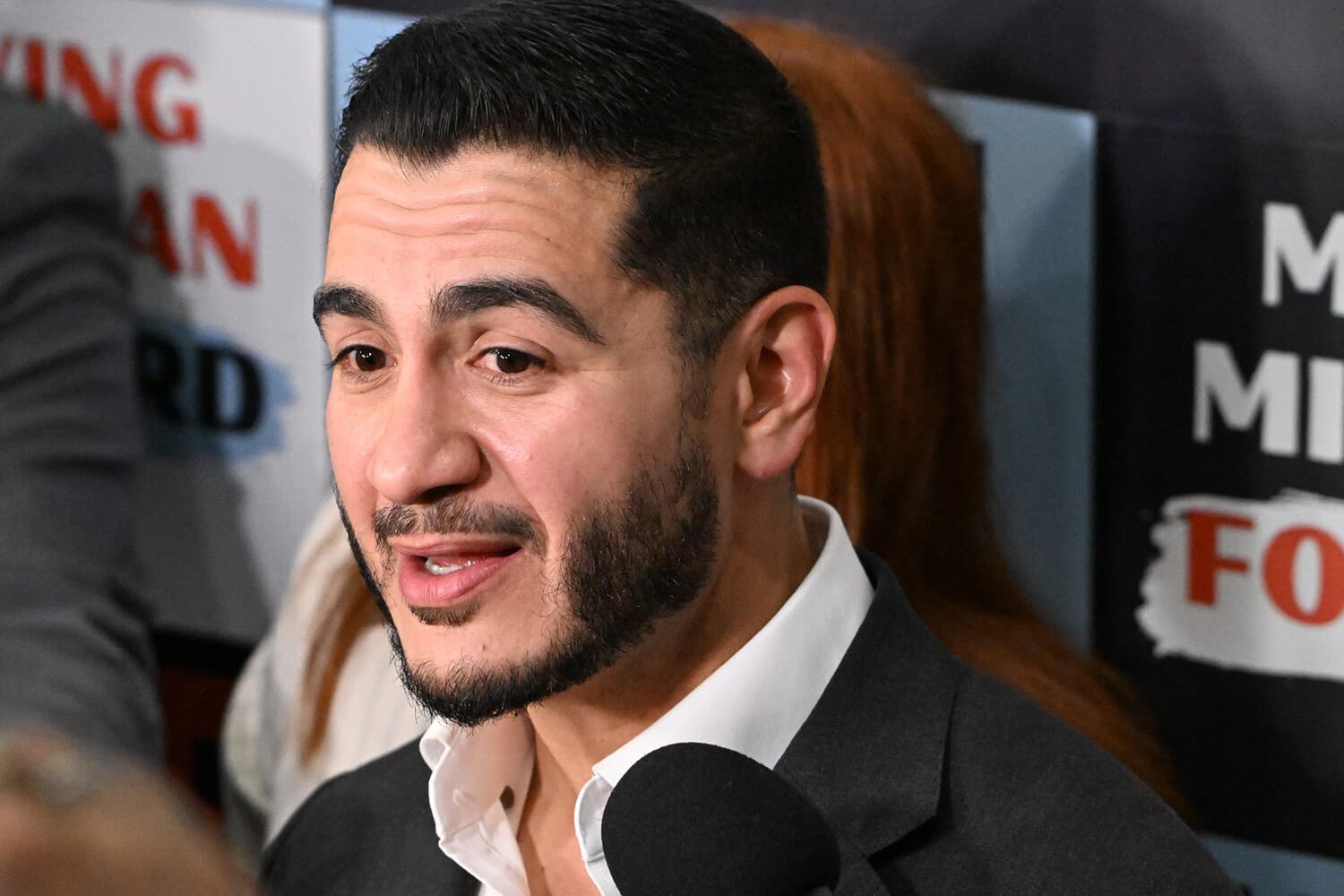
42-year-old El-Sayed, the son of Egyptian immigrants and a former public health executive, ran on a left-wing platform: universal healthcare, a wealth tax on billionaires, and fighting money in politics. He was supported by Senator Bernie Sanders and Congresswoman Alexandria Ocasio-Cortez. Republican Rogers, who was supported by President Donald Trump, portrayed El-Sayed as a 'communist', criticized his stance on Israel and his Muslim faith; the campaign also included baseless, as BBC notes, attempts to link him to terrorism.
Haley Stevens' unexpected move
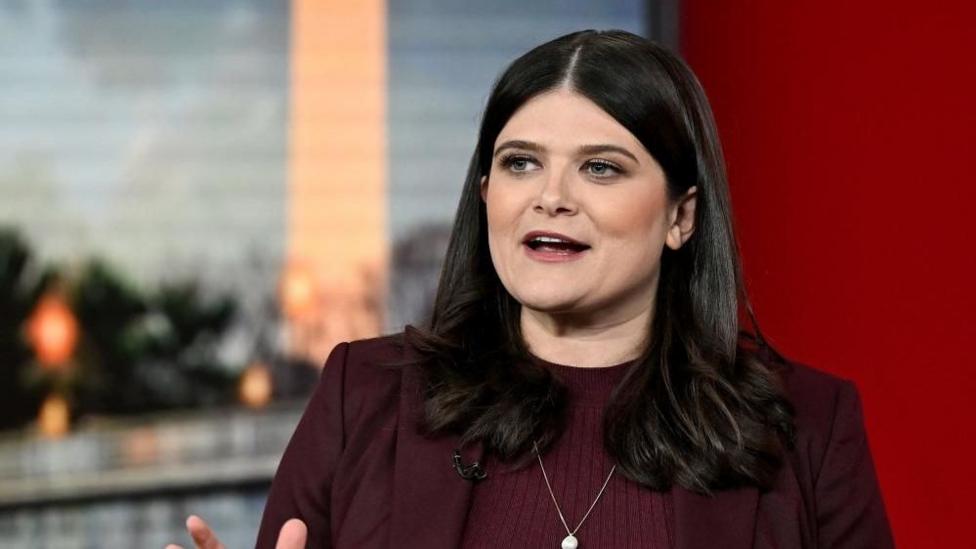
A few days before the election, El-Sayed's rival in the Democratic primaries Haley Stevens publicly endorsed Republican Rogers. According to BBC, the Democratic Party leadership called this 'an disgusting betrayal', and her staff reportedly resigned en masse; voters in the state described this move as confusing. El-Sayed himself tried not to react, telling reporters that he 'is not thinking about Haley Stevens' and 'none of this matters'. The conflict between them also had a foreign policy dimension: El-Sayed called Israel's actions in Gaza genocide and demanded an end to American aid, while Stevens is a supporter of Israel, whose primary campaign was funded by the Aipac committee with millions of dollars. The issue is particularly resonant in Michigan, home to the second-largest Arab-American community in the US.
What the result means
The race in Michigan was widely viewed as a test of the political influence of the left wing of Democrats in a key swing state — following a series of victories by Democratic Socialist candidates in primaries in more favorable districts for them. In presidential elections, Michigan voted for Joe Biden in 2020 and for Trump in 2024, underscoring the significance of El-Sayed's Senate victory. For Muslim communities in the US, the result was symbolic: supporters at the celebration called it a historic moment, and El-Sayed himself in his victory speech accused opponents of 'one of the ugliest campaigns in a long time' and of attacks 'because of my name and my faith'.
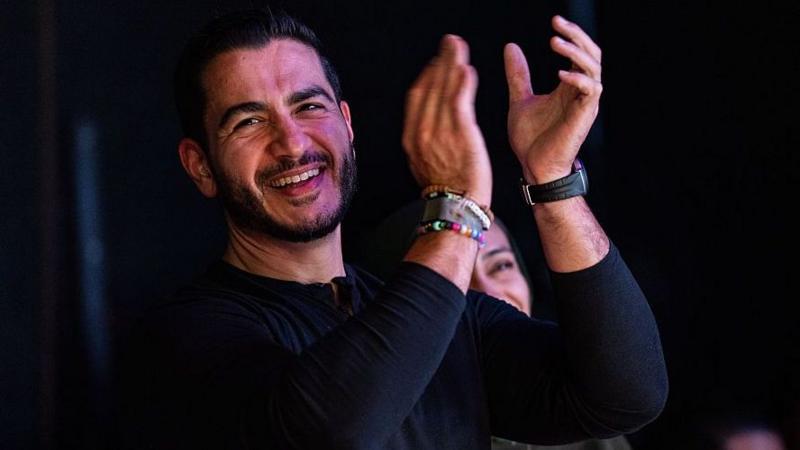 Image source, Getty Images
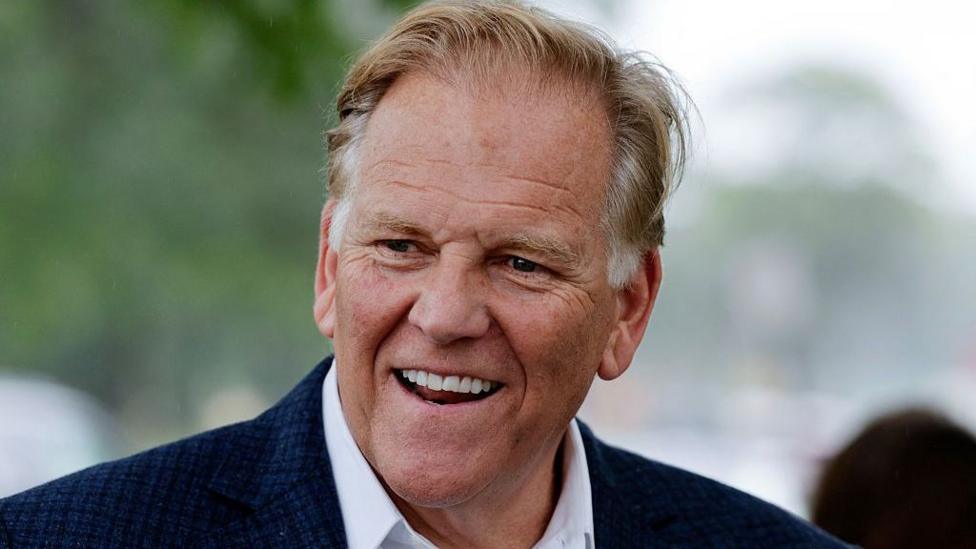 Image source, AFP via Getty Images
El-Sayed's Democratic primary rival Haley Stevens endorsed Republican Mike Rogers (pictured) just days before the election