The key facts
- Zelensky arrived in Berlin on November 3 for talks with Merz: topics include air defense, energy, and diplomatic coordination
- Kyiv is asking European governments for an additional €70 billion for 2026 and new interceptor missiles for Patriot systems
- Germany states it has already transferred all the Patriot systems it could share without weakening its own air defense
A visit kept secret
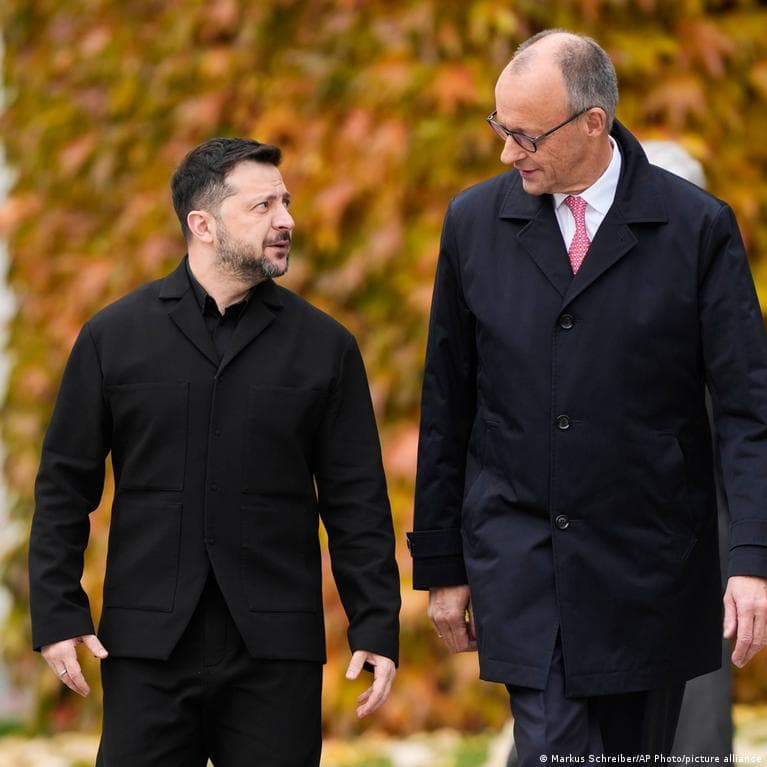
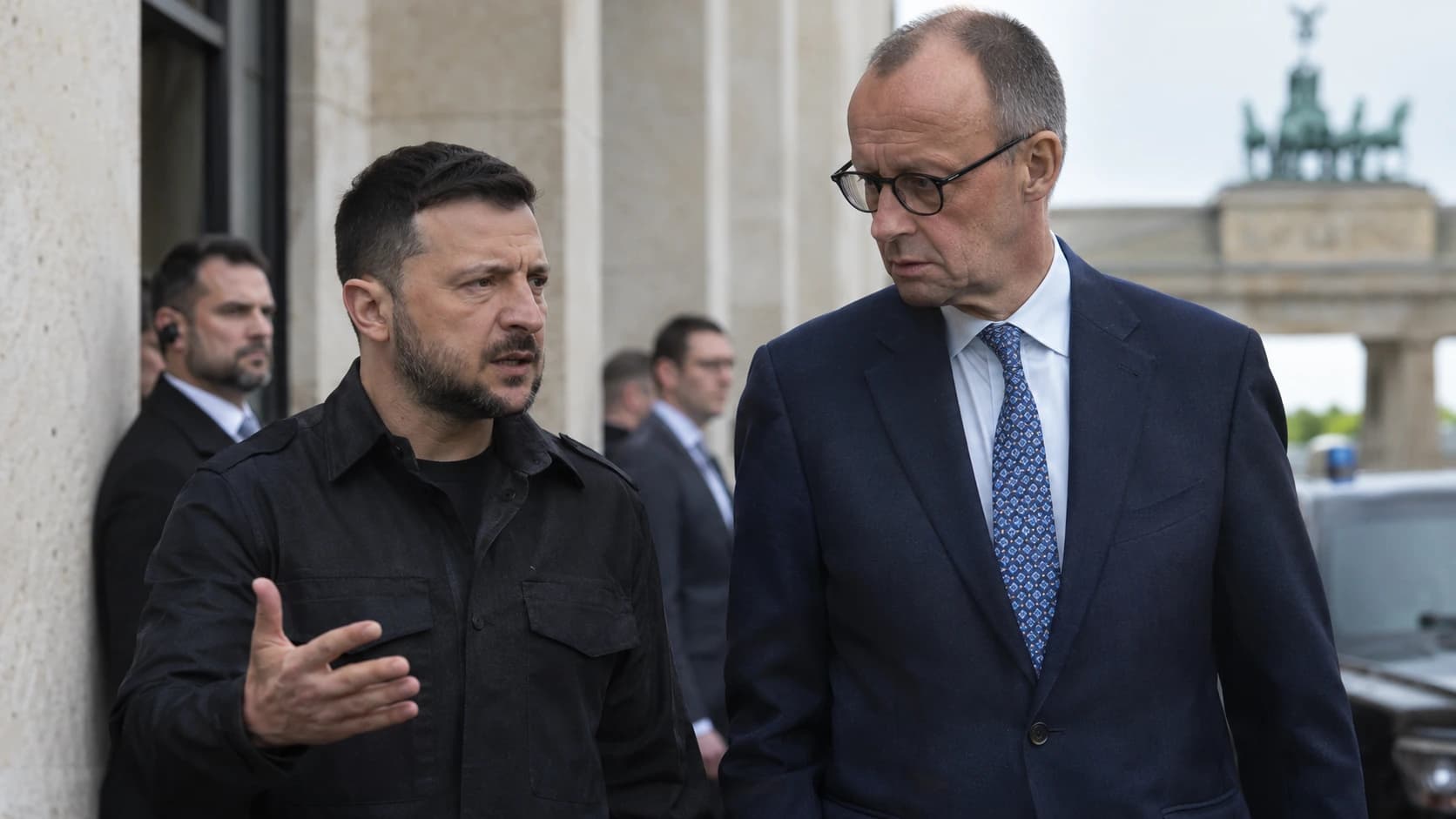
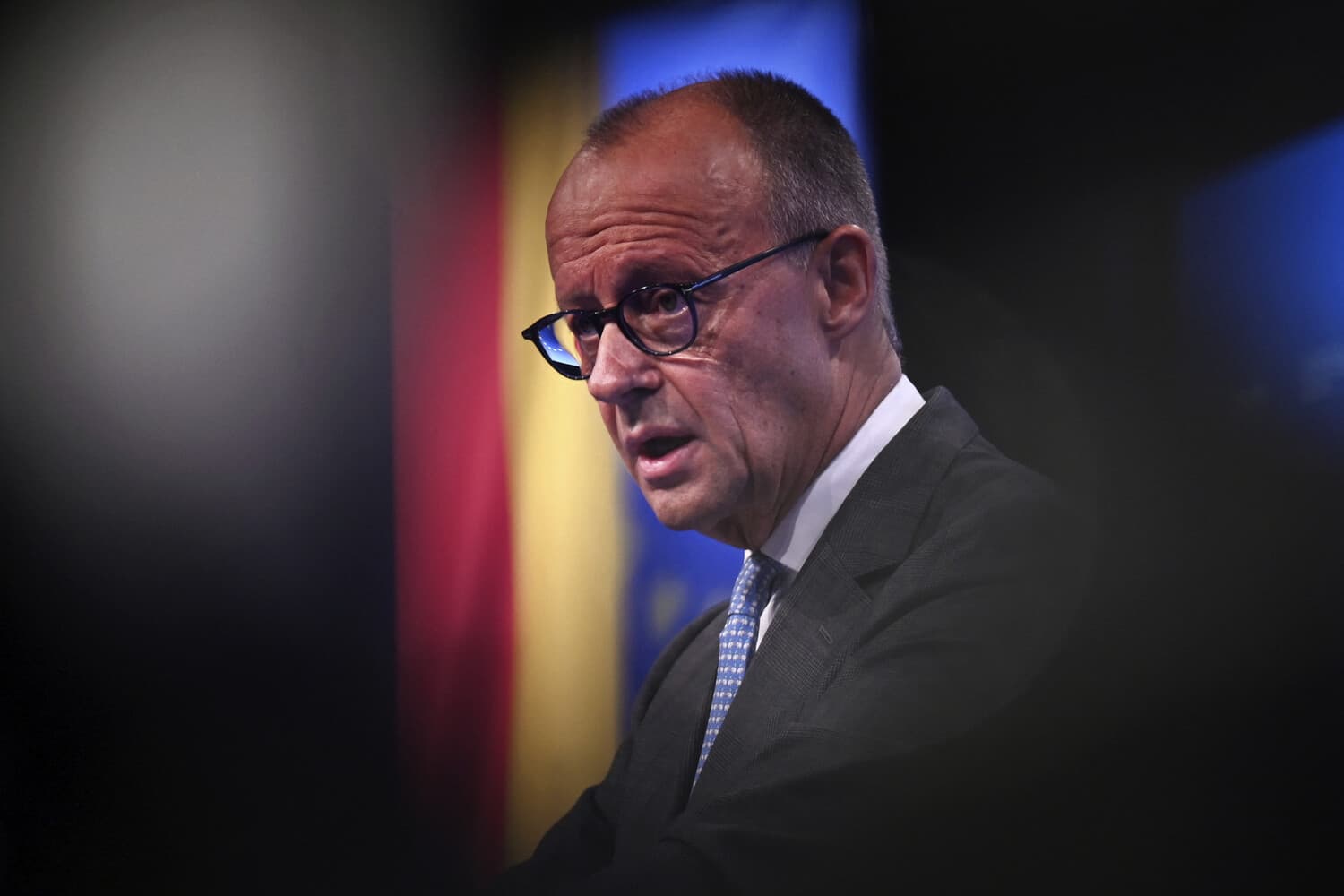
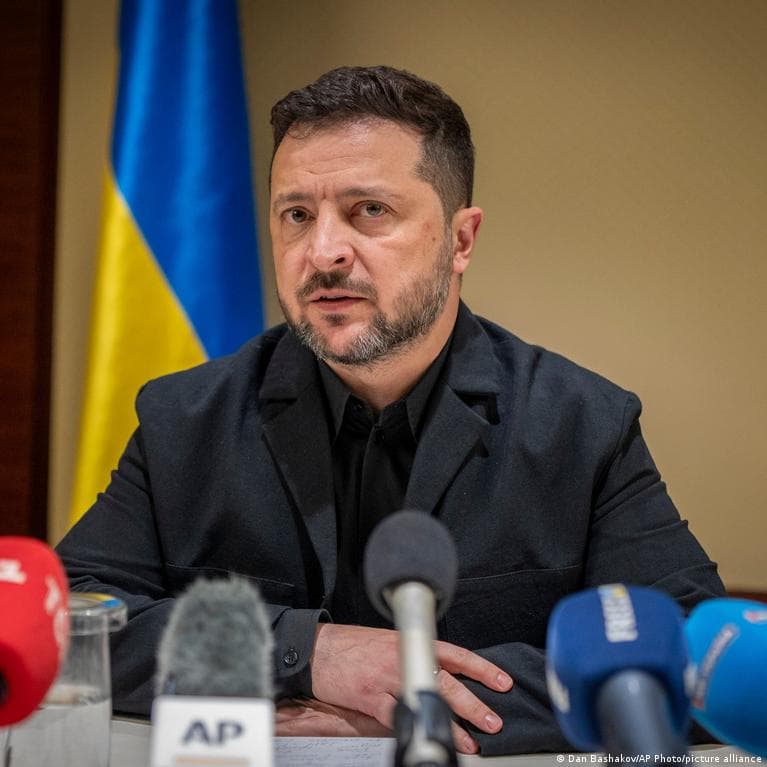
President of Ukraine Volodymyr Zelensky arrived in Berlin on Tuesday, November 3, for talks with Chancellor Friedrich Merz. The chancellor announced the planned visit in advance, explaining that it had been kept secret for security reasons, and that the meeting was expected around midday (according to Deutsche Welle). Zelensky himself wrote on X that the key topics — diplomatic coordination ahead of upcoming meetings, strengthening air defense, and support for the energy sector.
What Kyiv is seeking and what Germany has already provided
Kyiv is seeking additional interceptor missiles for systems such as the American Patriot to counter Russian ballistic strikes, and is asking European governments for additional funding of €70 billion ($78 billion) for the coming year — a need Zelensky voiced to EU leaders back in October. Germany, one of Ukraine's largest military and financial partners, maintains that it has already transferred all the Patriot systems it could share without weakening its own air defense. How to raise the money is to be discussed at upcoming EU meetings in the context of the long-term budget, and in mid-November Berlin will host a summit of countries supporting Ukraine.
Context: the attack on Kharkiv and the talks in Abu Dhabi
The visit coincided with a major overnight Russian attack on Ukraine using ballistic and cruise missiles and drones: according to regional prosecutors, at least 73 people were injured in the strike on a hospital in Kharkiv, and 226 patients had to be transferred to other hospitals. A week before the Berlin visit, US special envoy Steve Witkoff announced that on November 10 and 11 advisers from Ukraine, Russia, and the United States would meet in Abu Dhabi to discuss postwar security, de-escalation, and humanitarian aid. American envoys will also discuss security guarantees and reconstruction with European and NATO representatives in Brussels this week; Berlin expects European representatives to be present in Abu Dhabi, although they will likely not get seats at the negotiating table. For the visit and the two-day security conference that opened in Berlin, police deployed about 3,400 additional officers, closing off some streets, including the Kurfürstendamm area.