The key facts
- Merz: 'so far I do not see' that Russia is serious about ceasefire talks
- Ukraine, Russia and the US will meet in Abu Dhabi on November 10–11; Europeans will likely not get a seat at the table
- Germany promised new aid on air defense and energy; Zelensky again requested Patriot interceptors
Statements in Berlin
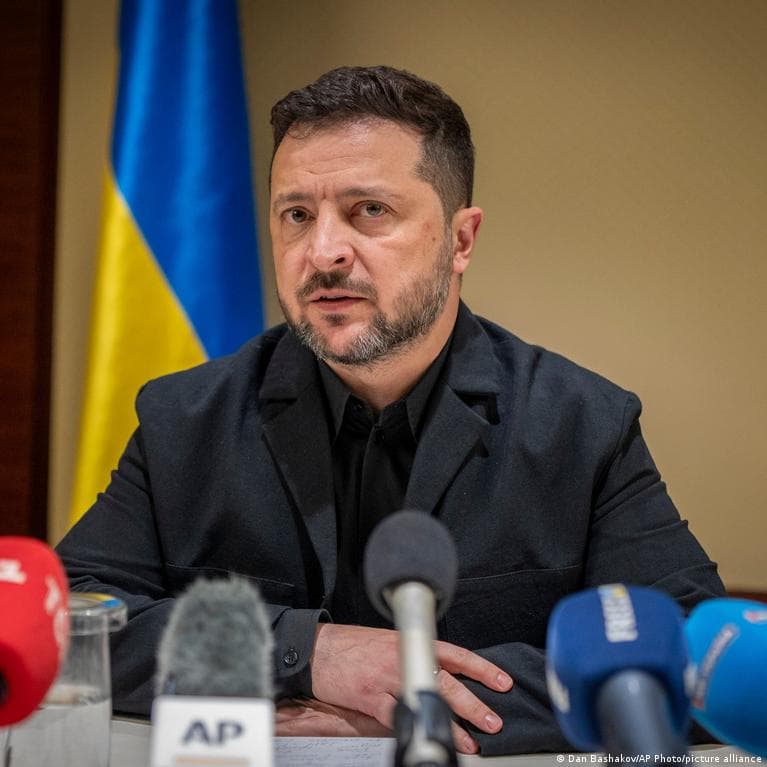
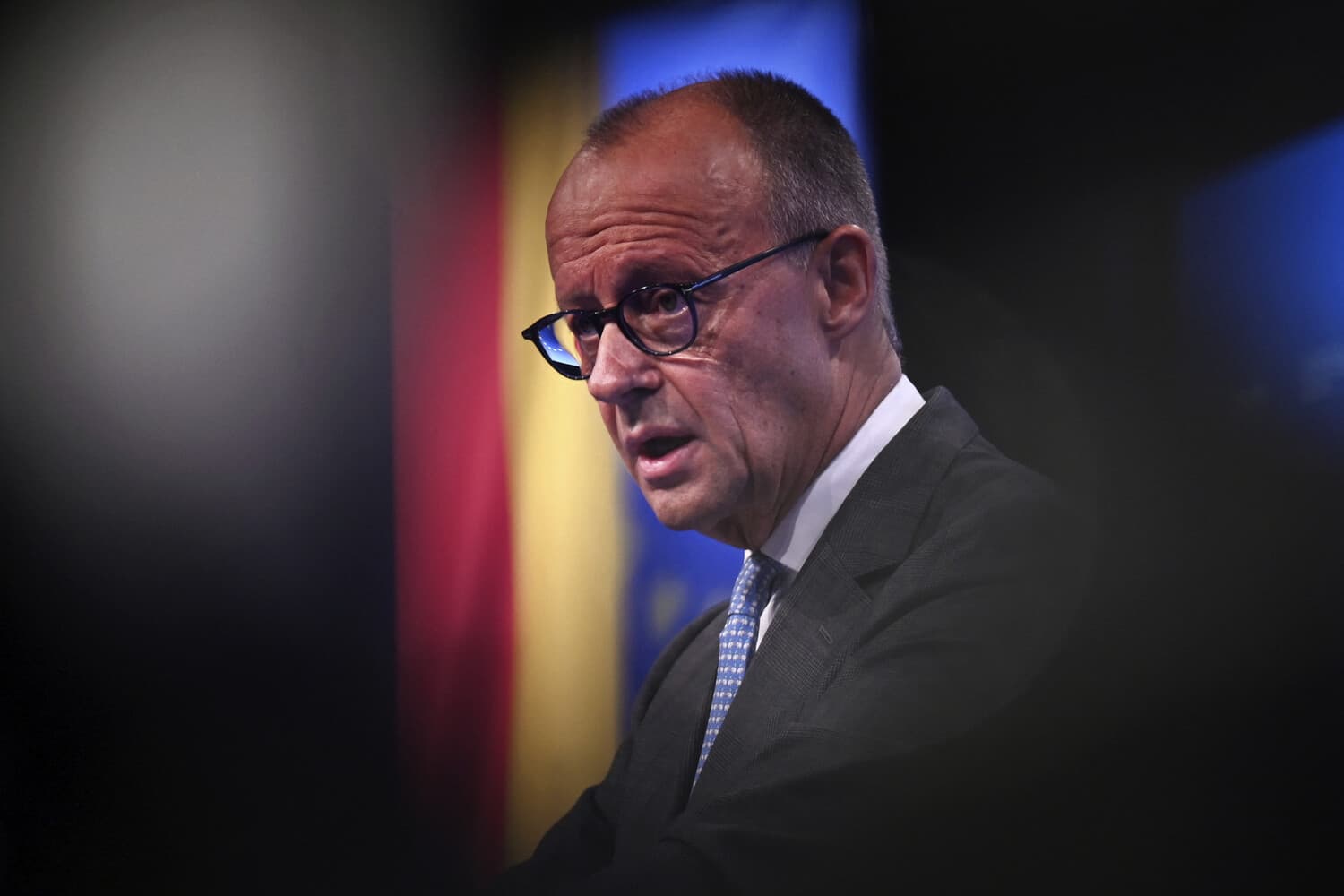
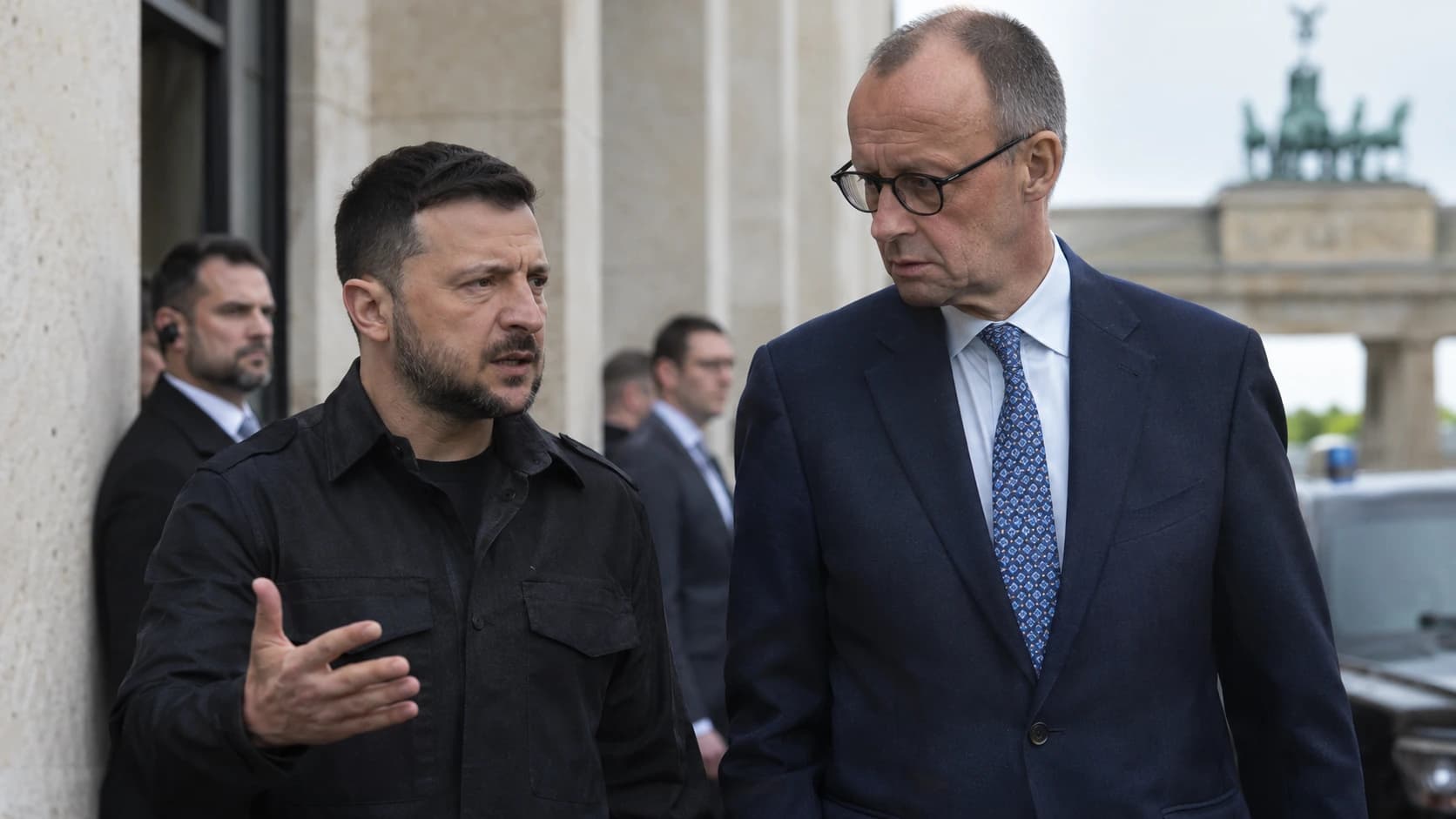
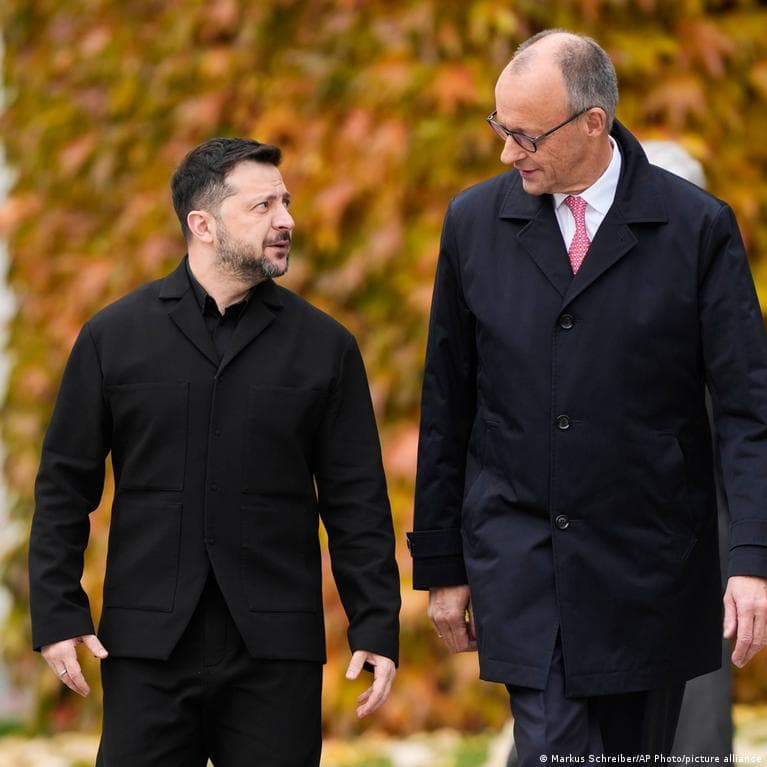
German Chancellor Friedrich Merz and Ukrainian President Volodymyr Zelensky spoke in Berlin on Tuesday, just hours after Russia's massive missile and drone strike on Ukraine. Merz said it was 'important that Russia finally and seriously engages in negotiations on a ceasefire and a subsequent peace agreement,' but added: 'So far I do not see that.' Both leaders stressed that Europe must take part in shaping any lasting peace. According to Deutsche Welle, Zelensky said a stable peace was impossible without Europe at the negotiating table and stated that a ceasefire alone is not enough — Ukraine needs security guarantees backed by Europe and the United States.
Talks in Abu Dhabi and Europe's role
Zelensky confirmed that Ukrainian, Russian and American officials will meet in Abu Dhabi on November 10 and 11 — the first trilateral meeting of this level since February. He expressed hope that this format will open the way to a leaders-level meeting with Vladimir Putin, who has so far rejected several of Zelensky's proposals for direct talks. Germany expects European representatives to be present in Abu Dhabi, although they will likely not get a seat at the table. Merz nevertheless insisted that Europe must have a say on sanctions and postwar security. Kyiv's priorities at the talks: an end to strikes on energy infrastructure, safe passage for grain shipments through the Black Sea, and new prisoner exchanges. Merz called the local truce in Alyoshky a possible model for a broader ceasefire, but warned that Russia's attacks in the Black Sea carry the risk of escalation and, in his words, 'accelerate the global food crisis to the detriment of the poorest countries.' On Wednesday, Ukraine will join the US, European partners and NATO in Brussels to discuss security guarantees and reconstruction.
German aid and the backdrop of strikes
'On the eve of the coming winter, our priorities are air defense and energy,' Merz said, promising to deliver new aid in both areas soon, along with additional winter support this year. Zelensky thanked Berlin: 'Without Germany, we would not be as strong as we are now,' and again stated the urgent need for air defense systems, including Patriot interceptors. In October, he told EU leaders that Ukraine would need an additional 70 billion euros from European governments next year; in mid-November, Germany plans a summit of countries supporting Ukraine. The visit took place against the backdrop of ongoing strikes on civilian targets: according to the Ukrainian side, at least 33 people were killed on Monday after strikes on a school building used as a aid distribution center, and more than 50 may have remained under the rubble; Ukrainian officials reported a double strike — the second was carried out as rescuers arrived. Zelensky called it 'one of Russia's largest killings in this war.' On Tuesday, according to regional prosecutors, at least 73 people were injured in a strike on a hospital in Kharkiv, and 226 patients had to be transferred to other hospitals.
Security in Berlin
The visit coincided with the opening of the two-day Berlin Security Conference, where Russia's war against Ukraine is one of the main items on the agenda. Police reported deploying around 3,400 additional officers from across Germany: armed officers guarded barriers in the government quarter, special units deployed snipers, and roads were closed in western Berlin, including near the Kurfürstendamm shopping boulevard.