The key facts
- Latvia assumed the UN Security Council presidency on November 1 for one month under the rotation rules
- Zakharova said Moscow has 'no illusions' about Riga's impartiality
- Latvia's priorities include support for Ukraine, international law, and the impact of new technologies on security
Moscow warned Riga it will monitor its Security Council presidency
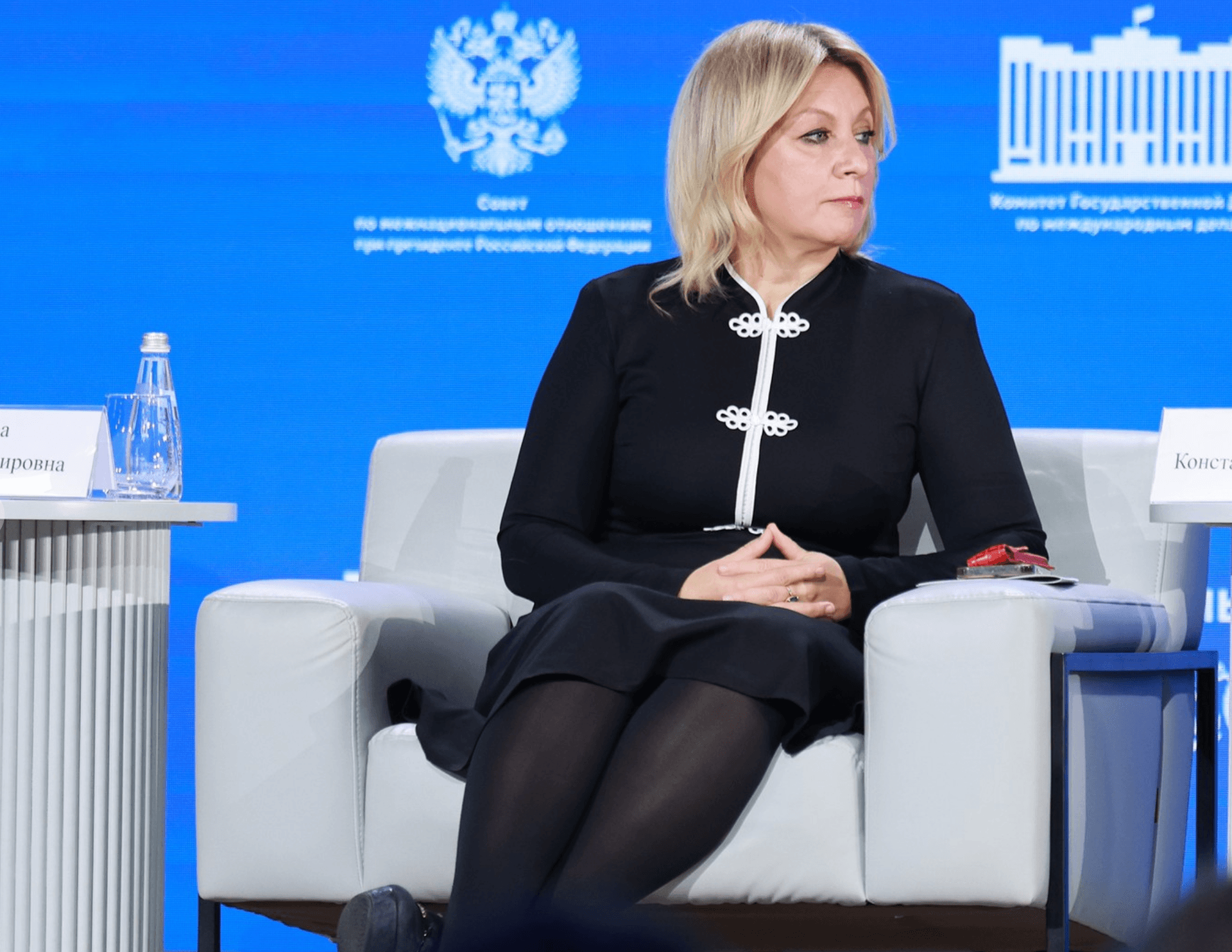
Russia will closely monitor how Latvia carries out its duties as president of the UN Security Council. This was stated by Maria Zakharova, official spokesperson of the Russian Foreign Ministry, who called on Riga to take into account the positions of all Security Council members and to uphold the principles of the UN Charter, reports Life.ru.
The Foreign Ministry's objections to Latvia's priorities
According to Zakharova, the president of the Security Council is obliged to pursue a balanced and constructive line and to work on overcoming differences, yet Moscow has 'no illusions' about the impartiality of the Latvian side. She described attempts to turn the Security Council platform into an instrument for spreading anti-Russian accusations as destructive.
The quote about the 'stint' and Russia's reaction
'The first statements by its representatives about the country's priorities during its 'stint' on the UN Security Council, including keeping the crisis around Ukraine in focus, clearly demonstrate Latvia's desire to put the UN Security Council at the service of its own selfish interests,' Life.ru quotes Zakharova as saying. She also said that Russia, as a permanent member of the UN Security Council, intends to counter attacks on the country and to ensure that the Council works in accordance with its mandate.
Context of the presidency
Latvia assumed the presidency on November 1 for one month — this order is provided for by the rotation rules. Among its priorities, the republic named support for Ukraine, respect for international law, and the impact of new technologies on security. Thus, Moscow's objections concern precisely the priorities announced by Riga, not the fact of the rotational presidency itself.