The key facts
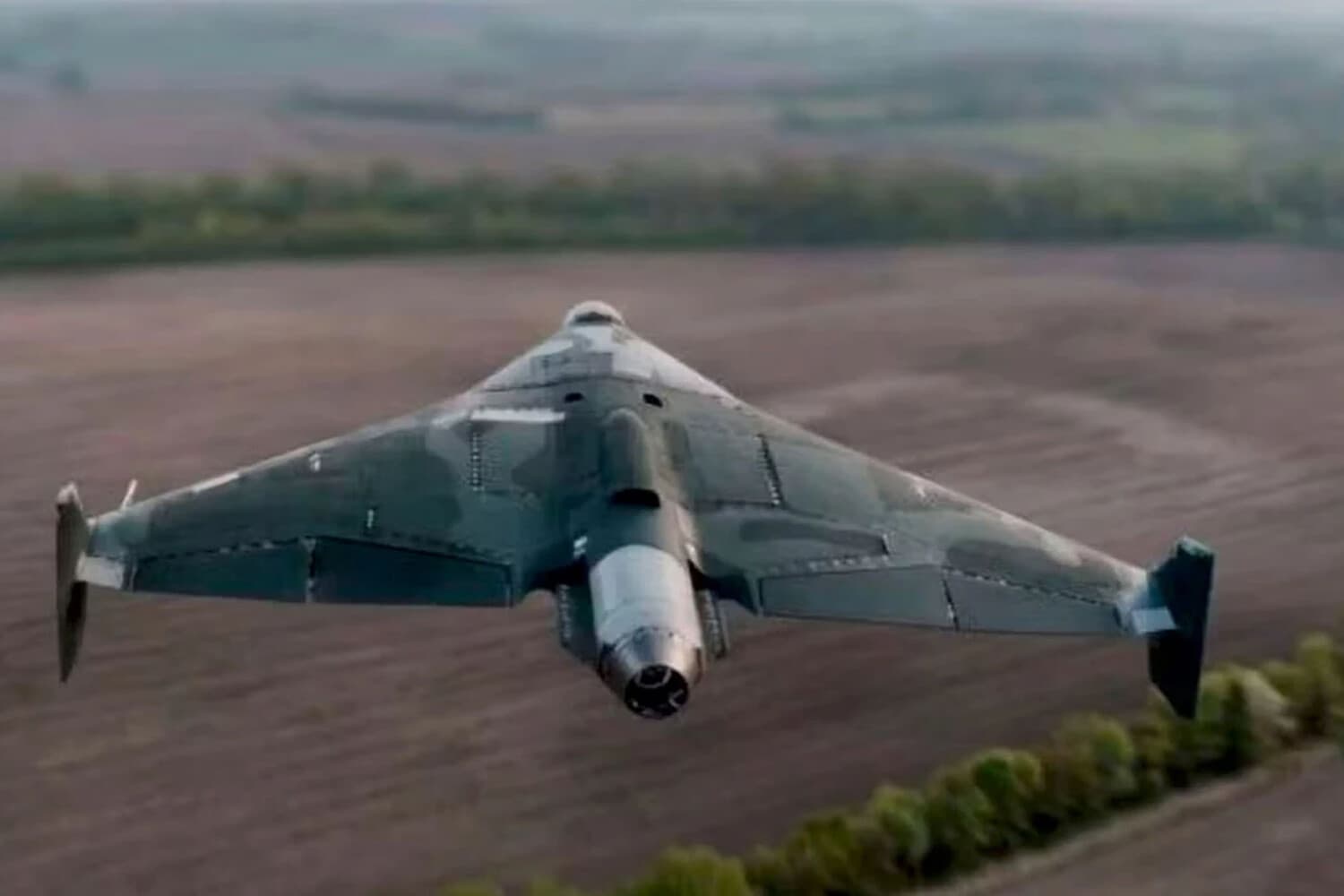
- Serhiy Sternenko announced reaching a serial solution against jet-powered “Shaheds”
- Several types of interceptors are at different stages of readiness
- Reuters previously reported failures due to target speed and guidance systems
Statement on serial production
Ukraine is close to serial production of interceptors against Russian jet-powered drones. This was stated in an interview with Ukrainska Pravda by Serhiy Sternenko, former adviser to the country's former defense minister Mykhailo Fedorov, reports Gazeta.Ru. “Now, at the end of 2026, we are reaching a more or less serial solution against jet-powered ‘Shaheds’ — this is very fast,” he noted, adding that interceptors could not have been created earlier than Russia scaled up its means of aerial attack.
Types of interceptors and limitations
According to Sternenko, several types of interceptors powered by electric and small jet engines are at different stages of readiness in the country. In his view, interceptors with electric motors show the greatest success, but they have speed limitations. He called interceptors with turbojet engines more promising, but noted that the situation with turbojet engine production in Ukraine is more difficult. “We are reaching serial production of interceptors with electric motors, and small-scale production of interceptors with jet engines, in particular the Bars rocket-drone — a jet-propelled weapon that has been adapted and is now also used as an interceptor,” Sternenko emphasized.
Previous reports
The statement came against the backdrop of conflicting reports on the progress of the work. In October, Ukrainian President Volodymyr Zelensky called the new Russian jet-powered drones a serious problem for the Armed Forces of Ukraine. On October 15, The New York Times reported that 22 Ukrainian companies are working on an interceptor against Russian jet-powered drones with artificial intelligence, and that Kyiv hopes to put the interceptors into widespread use by November or December. In September, Reuters, by contrast, reported that attempts to create a new generation of interceptor drones had so far not succeeded due to the high speed of jet-powered targets and difficulties with guidance systems. Earlier, Ukraine had also stated that there was no “universal solution” against Russian drones. Thus, Sternenko's new statement marks a shift in tone from acknowledging failures to announcing the start of serial production, but it remains the assessment of a single speaker rather than a confirmed fact of production.