The key facts
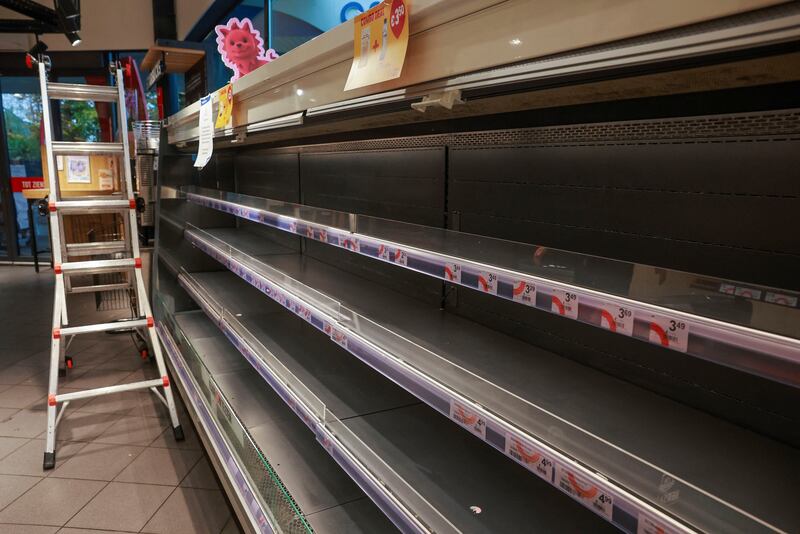
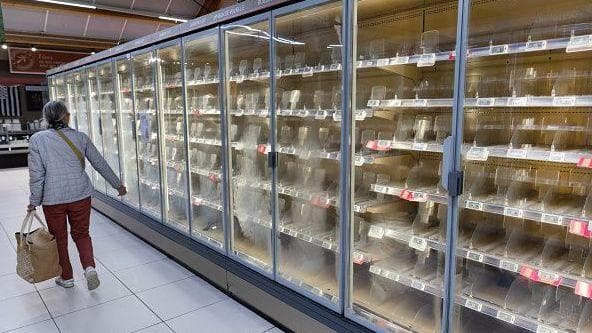
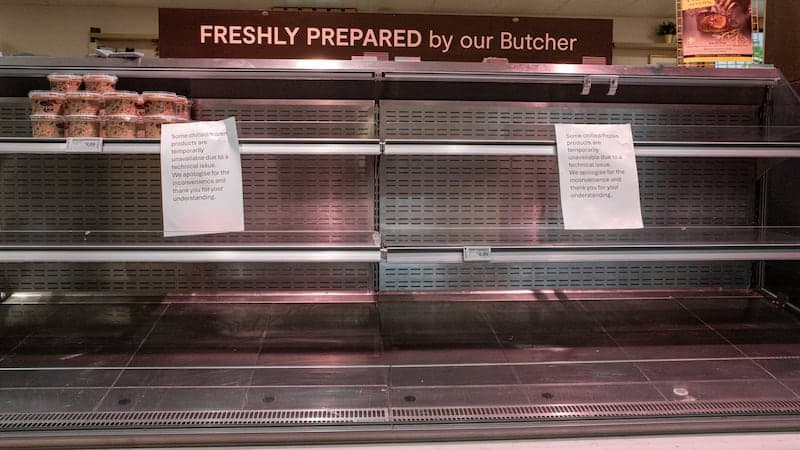
- The 3 November attacks on supermarkets in Belgium, Luxembourg, Sweden, Ireland, the Netherlands, Estonia and Finland: freezer temperatures were remotely raised to 50°C, and stores discarded spoiled food
- NCSC chief Richard Horne links the vulnerability to years of underinvestment in 'operational technology' and extended equipment lifespans
- The motive for the attacks is unknown: 'It could be states. It could be criminals,' Horne said
Wave of attacks on freezers and the NCSC warning
Britain's cyber security chief has urged businesses to urgently strengthen their defences, as organisations rely on outdated technologies that are increasingly vulnerable to attack, while artificial intelligence gives hostile states and criminals new ways to find and exploit weaknesses. The warning came in the annual report of the National Cyber Security Centre (NCSC), part of the intelligence agency GCHQ — as reported by The National.
What happened at the supermarkets
On Monday, a wave of cyber attacks hit supermarket freezers across Europe: the temperature was remotely raised to 50°C, forcing stores to throw away large volumes of spoiled food. Chains in Belgium, Luxembourg, Sweden, Ireland, the Netherlands, Estonia and Finland were affected. Earlier, in early October, attacks targeted supermarkets and food suppliers in France.
Causes: underinvestment and outdated equipment
Richard Horne condemned decades of underinvestment in 'operational technology' — the systems that run power grids, water supplies, switches and refrigeration equipment — which have left Britain with 'a heap of vulnerabilities'. 'Technology underpins everything' in modern society, but it has accumulated 'so many vulnerabilities because it has been underinvested in', he told the BBC ahead of a keynote speech on Tuesday. According to him, many organisations have run equipment beyond its designed lifespan, failed to update systems and failed to isolate them from the internet. In the report he will stress that the risk lies not in the fact that 'AI has invented new ways to attack us', but that 'vulnerabilities that have been tolerated for too long can now be discovered and exploited at a scale that was previously unimaginable'.
Who is behind the attacks — unknown
Asked whether Russia or Iran could be behind the attacks, and why anyone would defrost supermarket freezers, Horne replied that the motive remains unclear: 'At this stage we simply don't know. It could be states. It could be criminals.' He added that similar incidents have occurred both in the UK and in Europe. The NCSC works around the clock, issues warnings and intervenes where it can, but, according to Horne, ultimate responsibility for protecting systems lies with the organisations themselves. He advised households to keep their devices updated, enable automatic updates, keep offline backups and use passkeys where possible.