The key facts
- A 200-page draft SPS agreement has been agreed scrapping checks on food and agricultural goods
- A 200-page draft SPS agreement has been agreed to scrap checks on food and agricultural goods
- Veterinary certificates at £200 and £25, inspector, port and other fees are scrapped; exports of sausages, molluscs and seed potatoes will resume
- The government estimates the benefit at £5.1 billion a year; the BCC urges considering deeper options, including a customs union
- The government estimates the benefit at £5.1 billion a year; the CBI calls for considering deeper options, including a customs union
The draft agreement has been circulated to EU member states
The UK and the EU have agreed a draft agreement scrapping post-Brexit checks on food and agricultural exports — ahead of a UK–EU summit due to take place this month. This was reported by the BBC citing its own sources: the 200-page draft of the so-called SPS agreement (on sanitary and phytosanitary measures) has been circulated to EU member states in Brussels for consideration at a meeting of ambassadors on Wednesday. Alongside it, drafts on trading emissions quotas and a youth travel and work scheme have been circulated, as well as a 15-page draft joint statement by the leaders. Anadolu republished the same information citing the British broadcaster.
What exactly the deal scraps
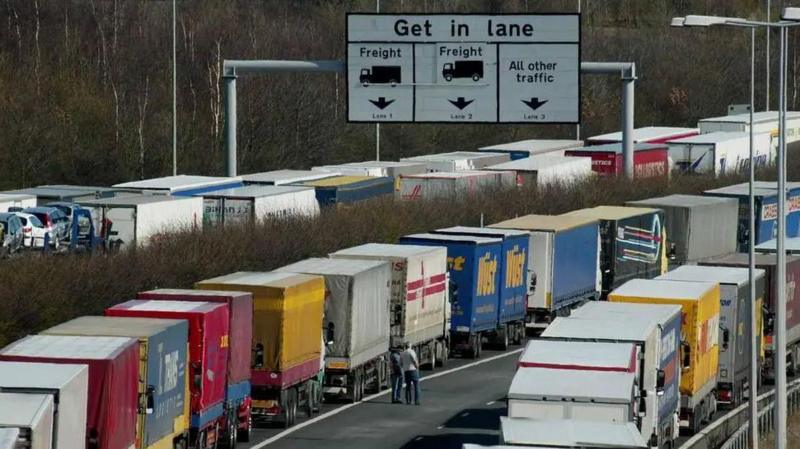
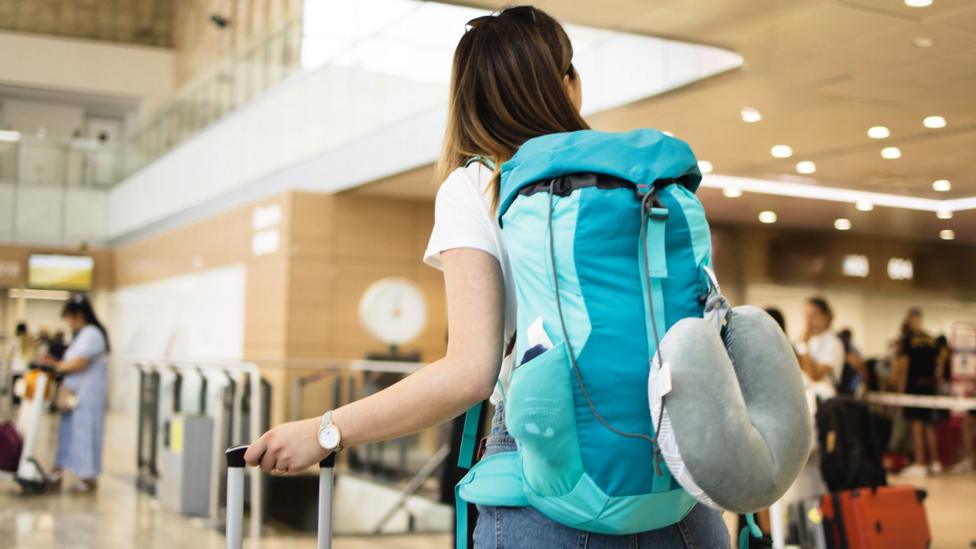
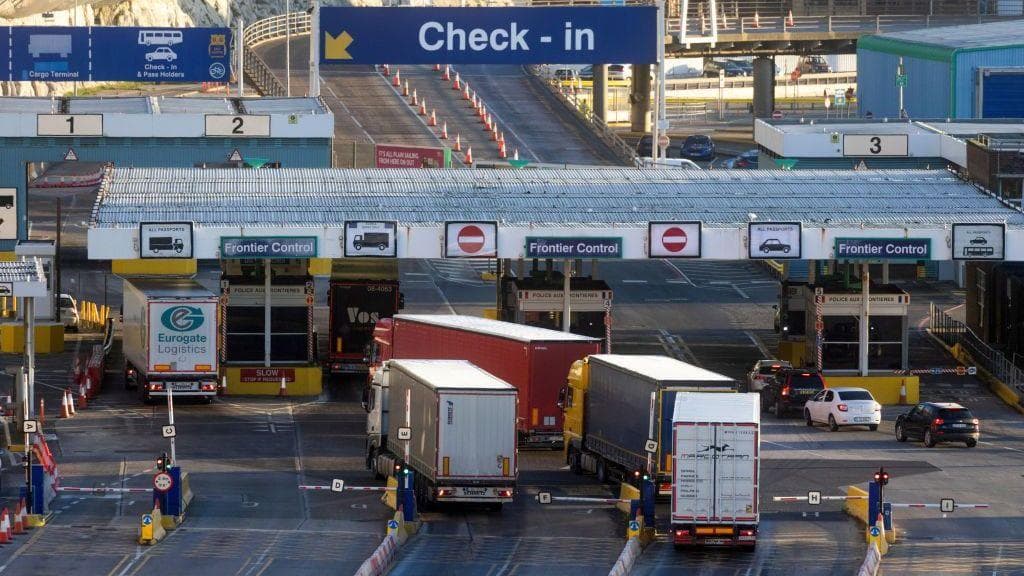
The agreement is meant to remove the need for export veterinary certificates costing £200, phytosanitary certificates at £25, inspector fees, organic certificates, part of port charges, sampling fees and other checks on exports and imports between the UK and the EU. Exports of fresh sausages, burgers, molluscs from inland waters and seed potatoes will resume; 'pet passports' for animals taken to the EU are also envisaged. The government estimates the eventual benefit to the economy at £5.1 billion a year. This is the most significant part of the 'Brexit reset' agreed so far: it removes the barriers that emerged after the country left the single market.
Dynamic alignment and accompanying arrangements
In return, the UK undertakes to follow existing EU rules on standards for trade in plants, animals and food and to adapt to them — a mechanism known as 'dynamic alignment'. For the most part the rules remain aligned, but there are areas of divergence, such as 'precision breeding' of plants (formerly gene editing); in recent weeks transitional mechanisms were agreed for the period when new EU regulations come into force. To implement new EU rules, the government has already announced the European Partnerships Bill, which will also provide the necessary alignment for linking the British emissions trading system with the European one and spare exporters from paying the EU's new carbon border tax. According to the BBC, the drafts also mention UK participation in defence cooperation schemes, access to law-enforcement databases and assurances regarding the EU's 'Made in Europe'plans. Questions about a discount on full tuition fees for EU students and about electricity grid interconnection are likely to be postponed until next year.
Business reaction and criticism
The food trade draft was welcomed by supermarkets and farmers' representatives, but some pro-Brexit activists criticised the reapplication of EU rules: the trade agreement signed by Boris Johnson's government prioritised the country's regulatory independence over avoiding red tape and delays. On Monday, the British Chambers of Commerce (BCC) published an analysis of its members' views: current trading relations 'are not delivering', companies are 'tangled in the thickets of Brexit bureaucracy' almost six years after leaving the EU. According to a BCC survey, 56% of exporting companies want the abolition of customs formalities and delays with the EU (58% among manufacturers). The organisation proposed nine options for closer relations — from a customs union to a 'Swiss' single-market model and a 'Canadian' association model — and urged the government to analyse and publish these options. BCC Director-General Shevaun Haviland said the prime minister 'deserves real credit' for starting a conversation about the future relationship with Europe. Prime Minister Andy Burnham, according to the BBC, wants to use the summit to launch a conversation about a long-term path for relations with the EU, including 'going all the way' — returning to the bloc. Anadolu also quotes him as saying that 'public opinion in the country has changed' since the 2016 referendum, but he 'will not run ahead of public opinion': 'The public must be the boss of what happens with Brexit.'
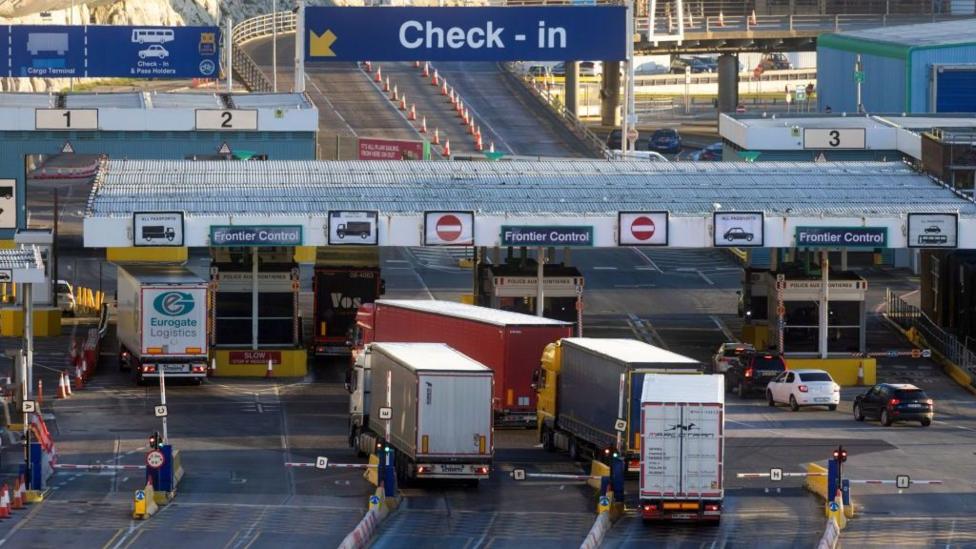 Image source, Chris Ratcliffe/Bloomberg via Getty Images
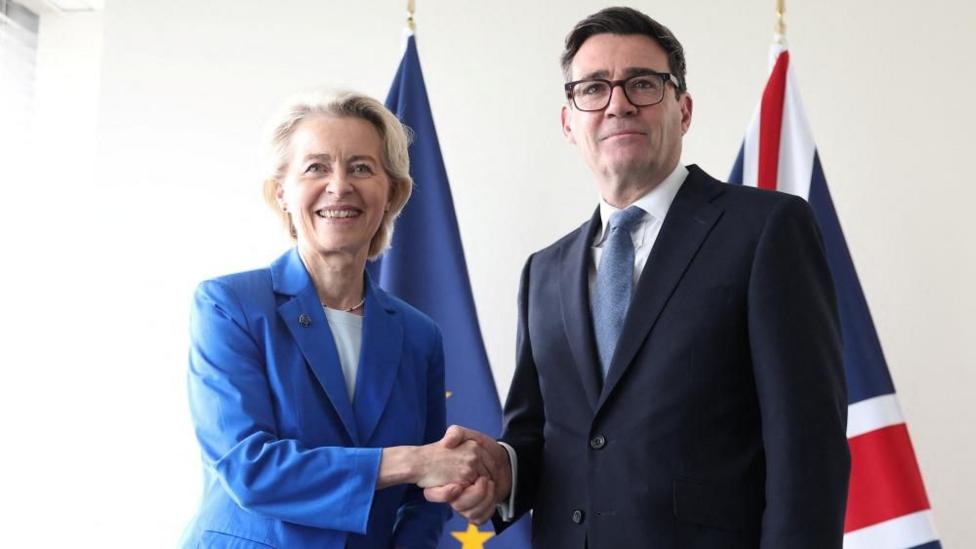 Image source, Press Association
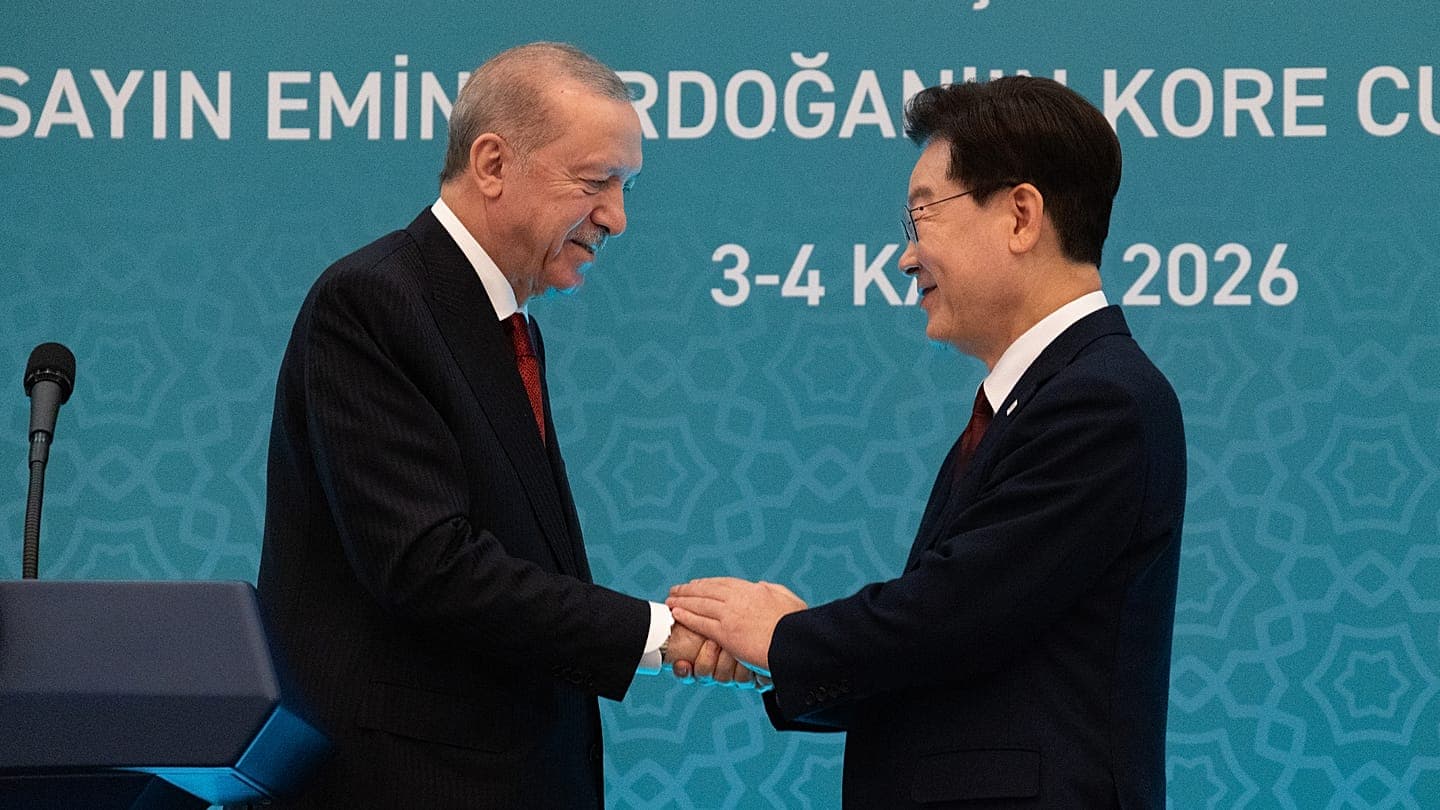
European Commission President Ursula von der Leyen with Prime Minister Andy Burnham