The key facts
- Designating women-only cars in the Tashkent Metro is not yet possible due to passenger flow and technical limitations
- The question is included in plans for building new lines and purchasing cars
- According to the metro, women account for about 40% of passengers
What the metro said
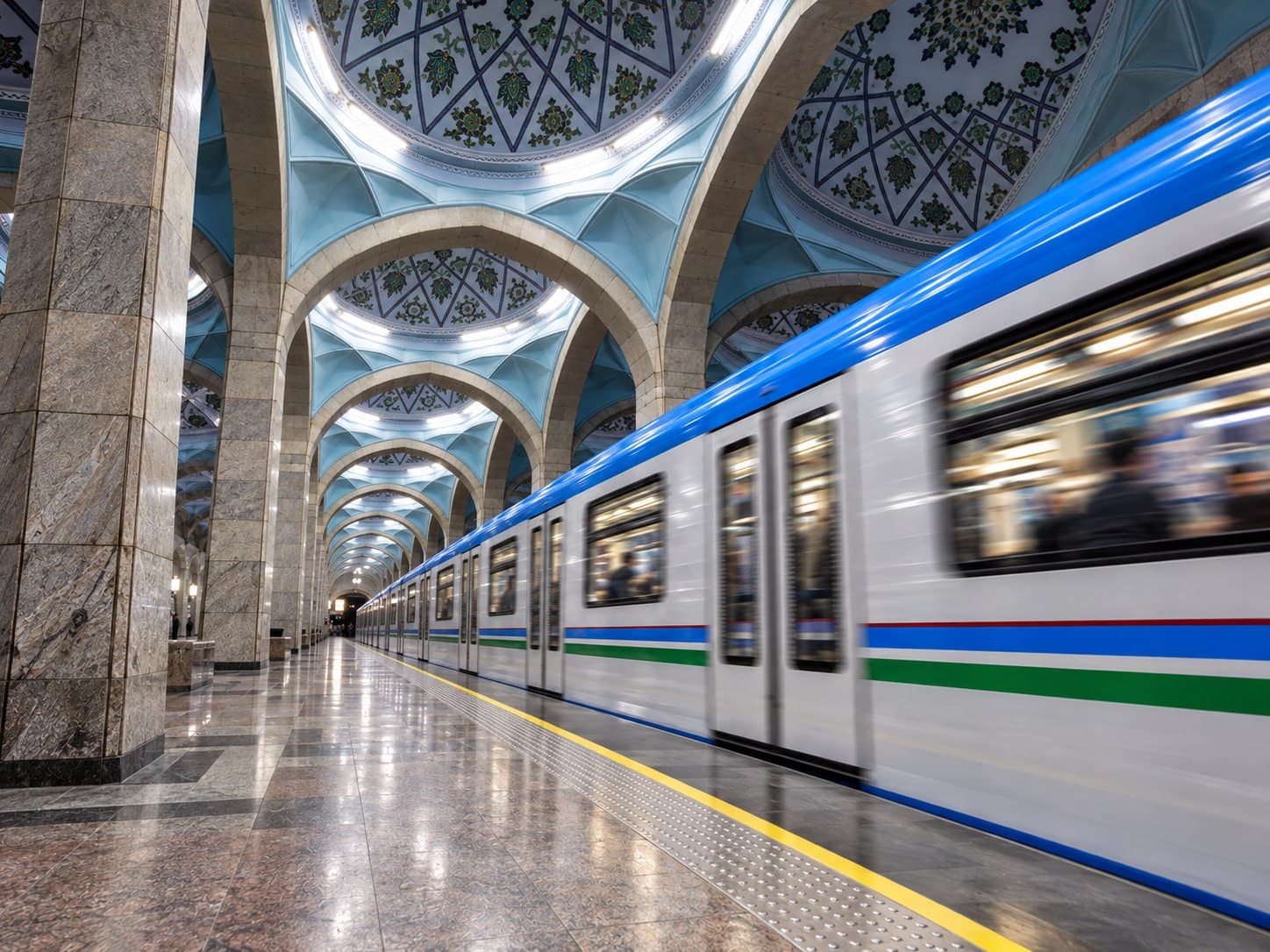
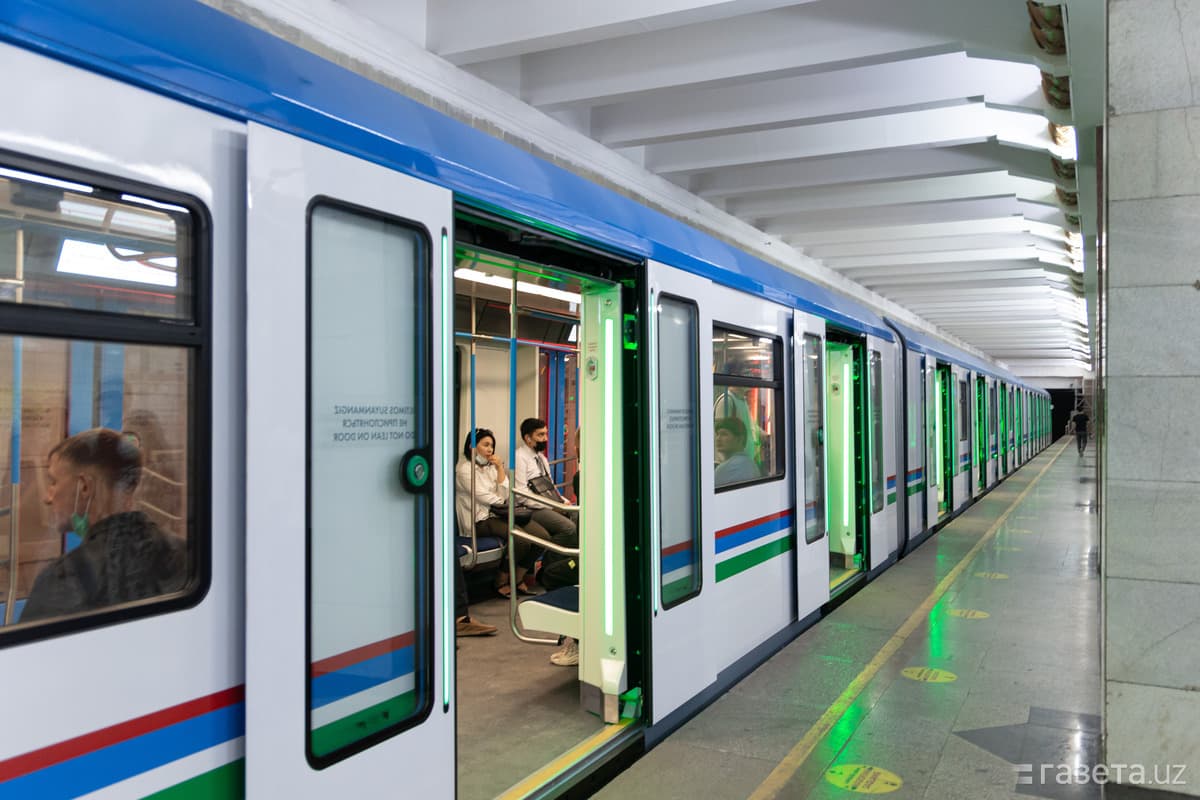
The question of designating separate cars for women in the Tashkent Metro is planned to be taken into account when building new lines and purchasing new trains. This was stated on November 3 by the Deputy Chairman of the Board of JSC Tashkent Metro, Yuldash Yusupov, answering a question from a correspondent Gazeta.uz.
Why it is not possible now
According to Yusupov, proposals to designate cars for women come both through social media and in direct appeals. However, the current passenger flow and the metro's technical capabilities do not allow introducing such an arrangement. “As of today, we do not have the capability. In the future, when building new metro lines and ordering new cars, we plan to organize operations with this question in mind,” Gazeta.uz quotes him as saying.
Expected effect and context
The deputy head of the metro believes that separate cars for women will help reduce incidents of violence and harassment, citing the experience of developed countries. “After designating separate cars for women, incidents of violence and harassment will certainly decrease. When we implement these plans in the future, we will be able to see the result,” the outlet quotes him as saying. According to the metro, women account for an average of 40% of metro passengers.
What was said earlier
The topic is not new for the city: in 2024, Gazeta conducted a survey among residents on whether public transport should be divided into cars for women and men. At the time, the majority believed it could ensure safety and convenience, while some respondents proposed other measures to combat overcrowding. Thus, the metro leadership's statement remains a plan for the future rather than a decision already made: there are no plans to change the existing lines or the fleet of cars.