The key facts
- Students report being coerced into installing the «Xavfsiz talaba» app at several universities in Tashkent
- Those who were late due to installing the app were allegedly marked «nb» (absent)
- The agency stated it had taken the situation under control and a working group had begun an inspection
Reports of coercion to install the app
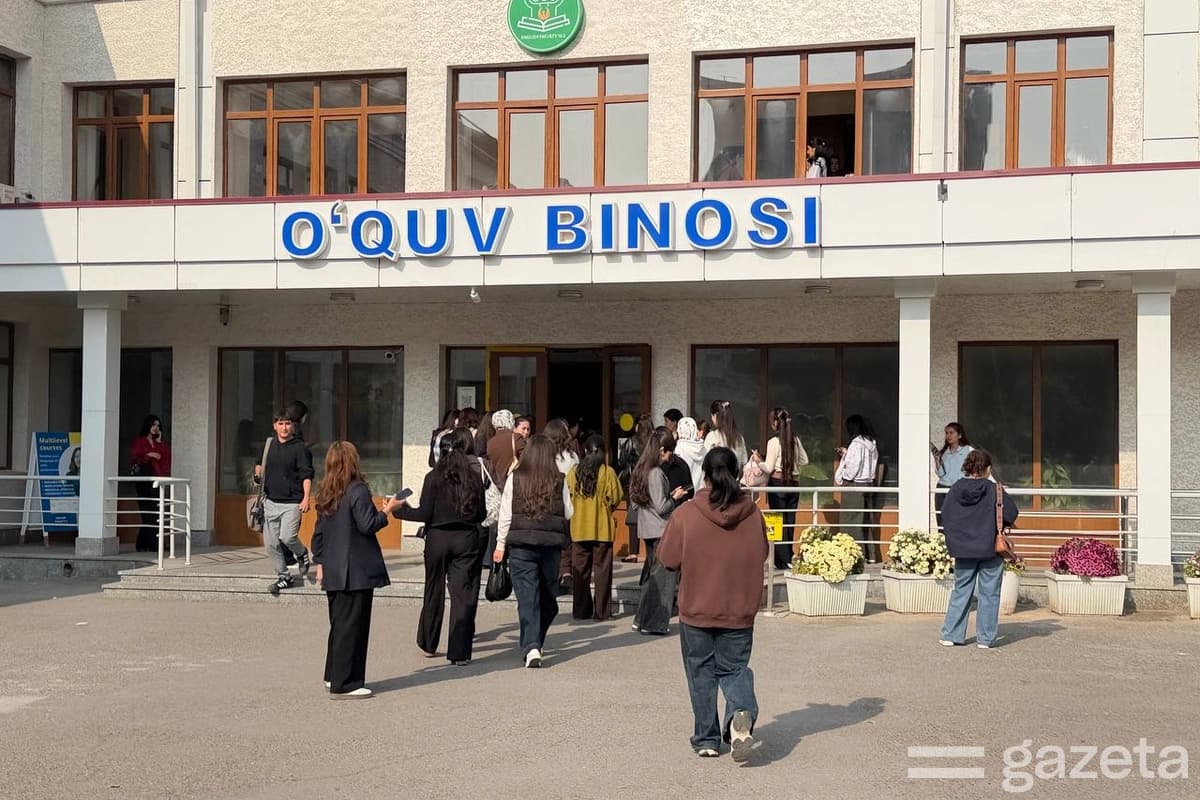
On November 3, 2026, reports spread on social media that at the Uzbekistan State University of World Languages and other higher education institutions in Tashkent, students who had not installed the «Xavfsiz talaba» («Safe Student») app were not allowed into classes. According to the students themselves, that day some of them were stopped at the university entrance and made to install the app; as a result, those who arrived late to classes were marked «nb» (absent). It is also reported that during classes, the dean, his deputy, and tutors entered the classroom, ordered students who had not installed the app to stand up and reprimanded them for refusing to install it. This is reported by Daryo.uz and Zamon.uz citing statements from students.
Other universities
Similar complaints concern other educational institutions as well. Students of the University of World Economy and Diplomacy reported that they have been pressured for several weeks to install a certain APK app. According to available reports, the Tashkent State University of Law also required students to install «Xavfsiz talaba». Thus, the issue involves not one university but several, although the nature of the demands, as described by students, differs: in some places it is the app itself, while at UWED it is an unspecified APK app.
The agency's response
The relevant agency responded to the situation, stating that the matter has been taken under control: the leadership issued an instruction to promptly examine the circumstances, and a working group has begun an inspection. At the same time, the outlets name the agency differently: Daryo.uz in its Russian version refers to the Ministry of Higher Education, Science and Innovations, while Zamon.uz refers to the Ministry of Education and Science. The Zamon.uz publication also cites the agency's emphasized provision that the continuity of the educational process and students' right to education must be ensured. The results of the inspection and conclusions on whether coercion actually took place were not known at the time of publication.