The key facts
- Universities in Tashkent are checking whether students have installed the “Xavfsiz talaba” app; there were reports of students being barred from classes without it
- Universities in Tashkent are checking whether students have installed the 'Havfsiz talaba' app; there were reports of students being barred from classes without it
- The UzSWLU rector speaks of an instruction from the prosecutor’s office following the president’s visit to the student campus; the Prosecutor General’s Office and the ministry deny that installation is mandatory
- The dean of UzSWLU’s Translation Faculty, according to the university, was dismissed over the disorderly implementation of the app
- According to the university, the dean of the translation faculty of UzSWLU was dismissed over the disorderly rollout of the app
What happened
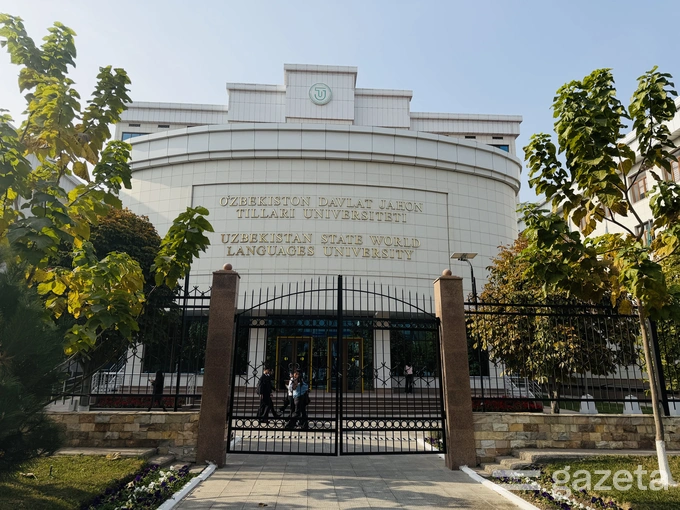
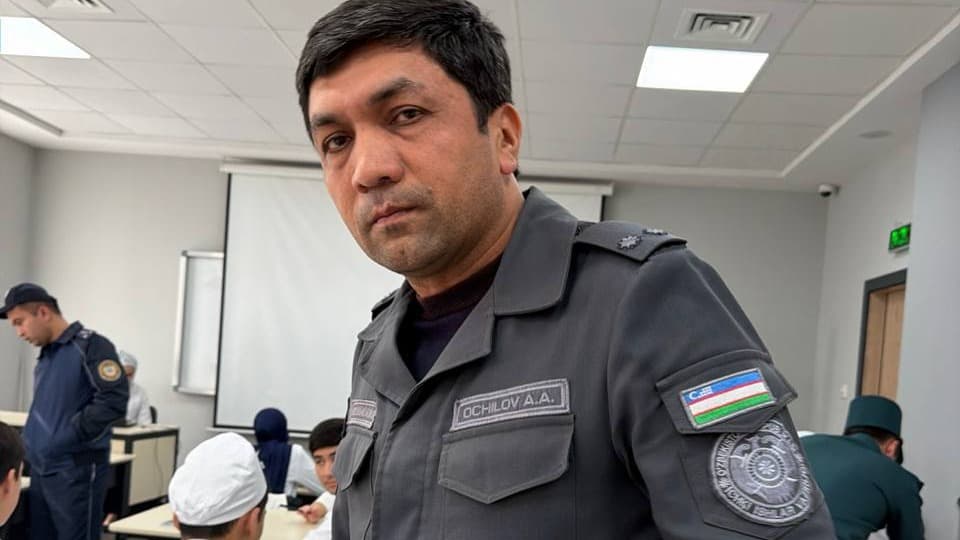
On 3 November, reports spread on social media that students at several universities in Tashkent were being pressured to install the “Xavfsiz talaba” app. Journalist Mukhrim Azamkhujayev posted on Telegram a video and appeals from students of the Uzbekistan State University of World Languages (UzSWLU), from which it followed that those who had not installed the app were not allowed into classes. A correspondent of Gazeta visited several universities in the capital and requested comments from the responsible agencies.
The university’s and the oversight body’s accounts differ
UzSWLU rector Ilkhomjon Tokhtasinov told Gazeta that on 2 November the leadership of the Uchtepa district prosecutor’s office held a meeting with students at the university, and that the university itself “received an instruction from the prosecutor’s office” regarding the app’s installation — according to him, citing prosecutors, this followed the president’s visit to the Tashkent student campus, where tasks were set to strengthen security, install SOS buttons and control entry and exit. The rector stressed that barring students from classes was not the university’s goal.
Prosecutor General’s Office: no instruction for forced enrollment was given
The Prosecutor General’s Office told Gazeta in an official response that the “Xavfsiz talaba” platform is not its direct information system: it was developed by several agencies to improve the crime situation in the Olmazor district, where, given six universities and 41 dormitories, a “Student Situation Center” was planned. According to the agency, a presentation of the platform took place on 11 September 2026 during the head of state’s visit to the Olmazor district, after which an instruction was given to implement it first in all Tashkent universities, then across the republic. At the same time, the Prosecutor General’s Office separately emphasized that “no instruction to forcibly connect students to the platform or to bar those who had not connected from classes” was given to any official or university representative, and that enrollment is voluntary.
The ministry’s position and practice on the ground
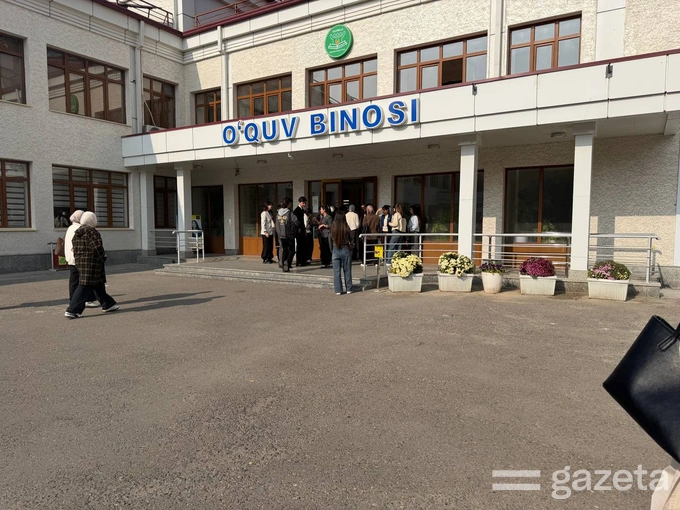
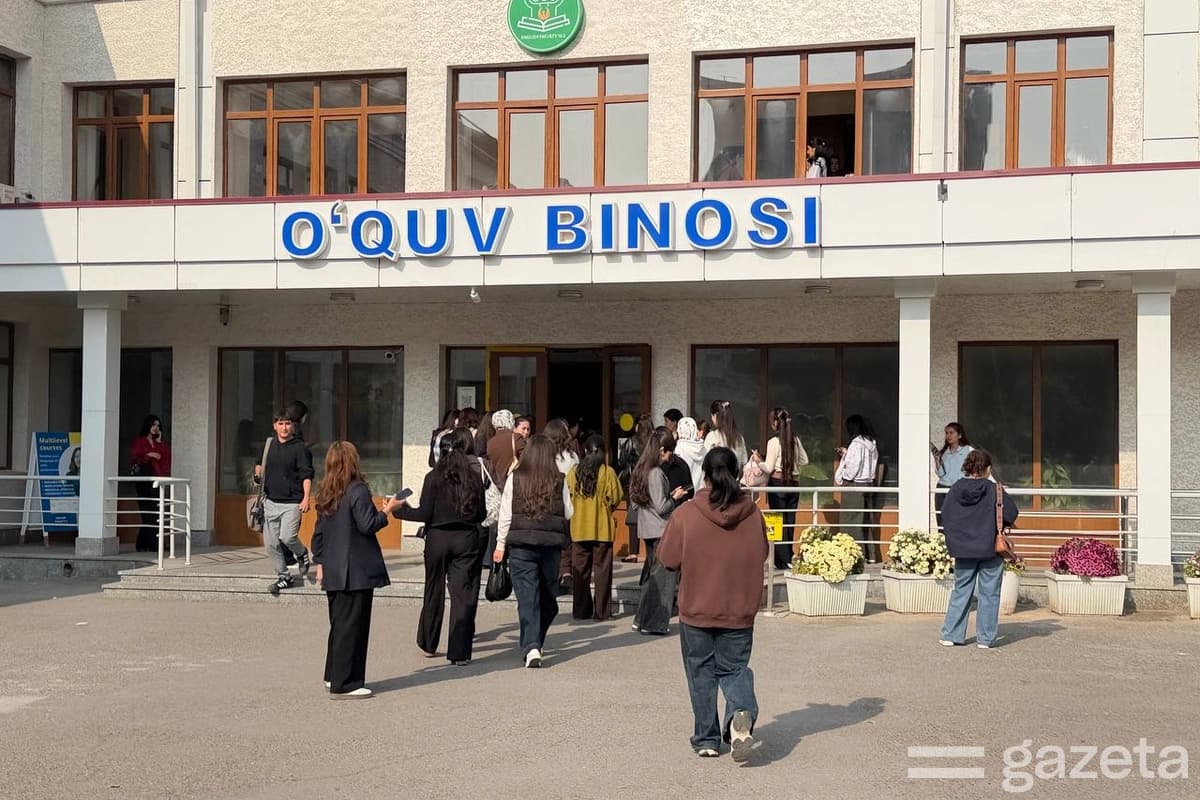
The Ministry of Higher Education, Science and Innovations also stated that pressuring students to install the app is unacceptable: implementation must proceed through awareness-raising work. Manuchehr Mirzayev, head of the ministry’s digital transformation department, said the app does not belong to the ministry, there is no data on the number of installations, and whether it belongs to the situation centers of the Ministry of Internal Affairs or the prosecutor’s office is still being determined; after the social media posts, the ministry took the situation under control and sent a working group. Meanwhile, UzSWLU first vice-rector Valijon Sadiyev called the installation a “recommendation,” but on 4 November at around 12:45 a Gazeta correspondent observed that at the entrance to the English language faculty building students were checked for the app and only then let inside; an employee who introduced herself as a curator called the installation a requirement “by the president’s decision” and said students also needed to install the “Kovriqchi” app, which does not install on iPhone.
Consequences and what remains unclear
On 3 November, information spread about the dismissal of UzSWLU Translation Faculty dean Ulugbek Yuldashev; according to the university’s leadership, he was dismissed for implementing the app in a disorderly manner, and discussions on social media are also cited as a reason for his departure. Students, however, describe different pictures: one was not recommended the app at all, another had “Kovriqchi” checked by internal affairs officers in the Namangan region, and a first-year student at the Tashkent State University of Economics described “Xavfsiz talaba” as a collection of useful information — from contract details to data about the university. The key contradiction remains: the rector speaks of an instruction from the prosecutor’s office, while the prosecutor’s office itself and the ministry deny that installation is mandatory; data on how many students installed the app and who oversees the system have not yet been officially disclosed.