The key facts
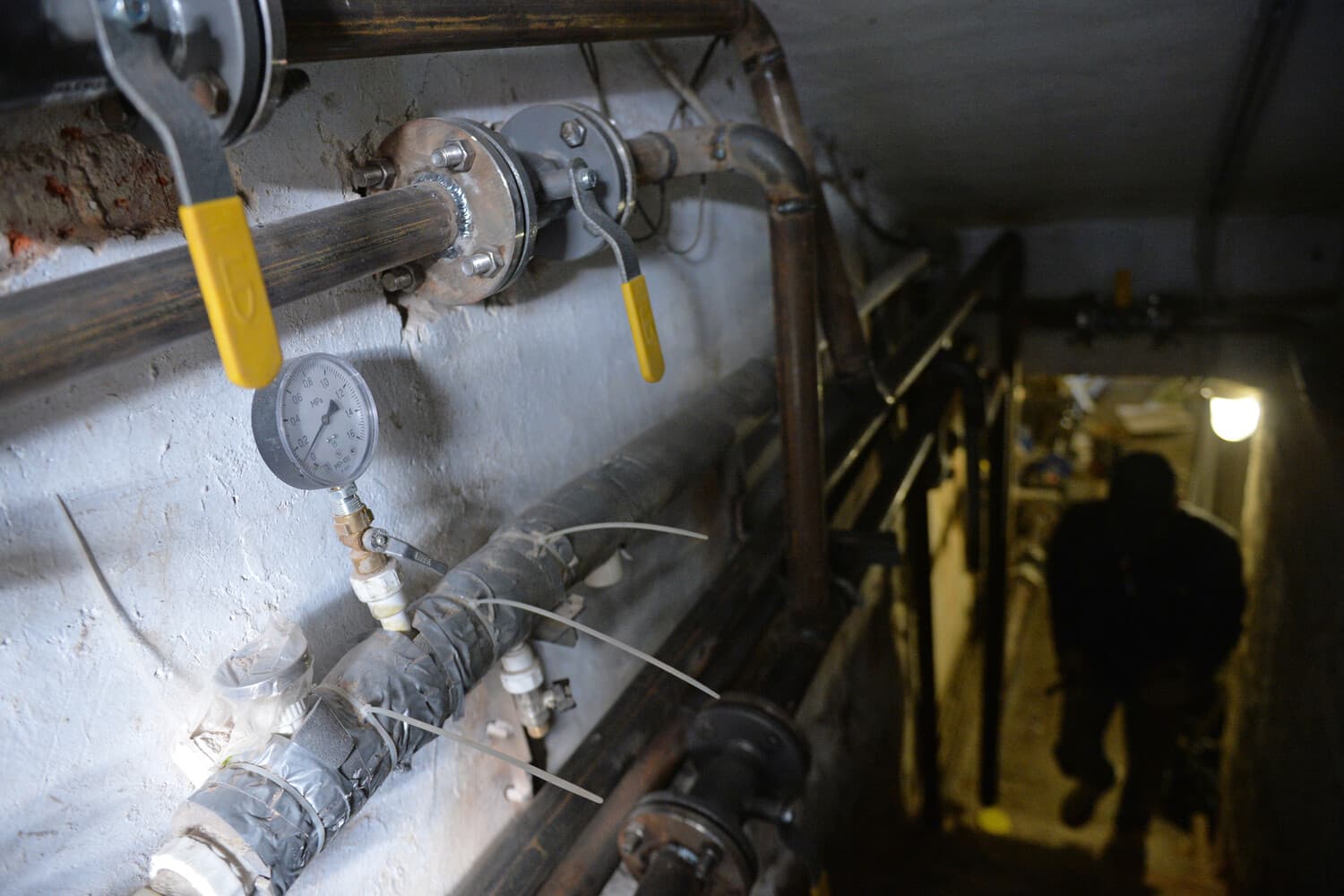
- The Construction Ministry proposed targeted surcharges on utility payments for pipe and boiler house repairs
- Deputy chair of the State Duma Committee on Construction and Housing and Utilities Svetlana Razvorotneva opposed surcharges without an audit
- According to her, investment programs can already be included in tariffs after approval by the Federal Antimonopoly Service
The Construction Ministry's proposal and the State Duma's reaction
Russia's Ministry of Construction and Housing and Utilities has proposed introducing targeted surcharges on utility payments to finance the repair of old pipes and boiler houses. The idea drew criticism in the State Duma: Svetlana Razvorotneva, deputy chair of the Committee on Construction and Housing and Utilities, said on the air of the Govorit Moskva radio stationthat raising tariffs without an audit and strict accountability would not improve the efficiency of resource-supplying organizations.
Why the deputy considers the surcharges excessive
According to Razvorotneva, current legislation already provides mechanisms for financing the modernization of utility infrastructure: resource-supplying organizations can include investment programs in tariffs after approval by the Federal Antimonopoly Service, including when expenses exceed the maximum growth indices for utility payments set by the government. The key problem, in her view, is the lack of transparent control over the targeted use of funds: without an audit and reporting, additional payments from citizens may not lead to real infrastructure modernization.
Context of the tariff discussion
The discussion of the surcharges is unfolding against the backdrop of a broader debate about utility payments: the State Duma had previously already responded to the emergence of 'utility shrinkflation'. Sources do not report on the practical fate of the Construction Ministry's proposal — the introduction of relevant amendments to regulatory acts.