The key facts
- On November 3, the president arrived in the Bukhara region to review economic projects
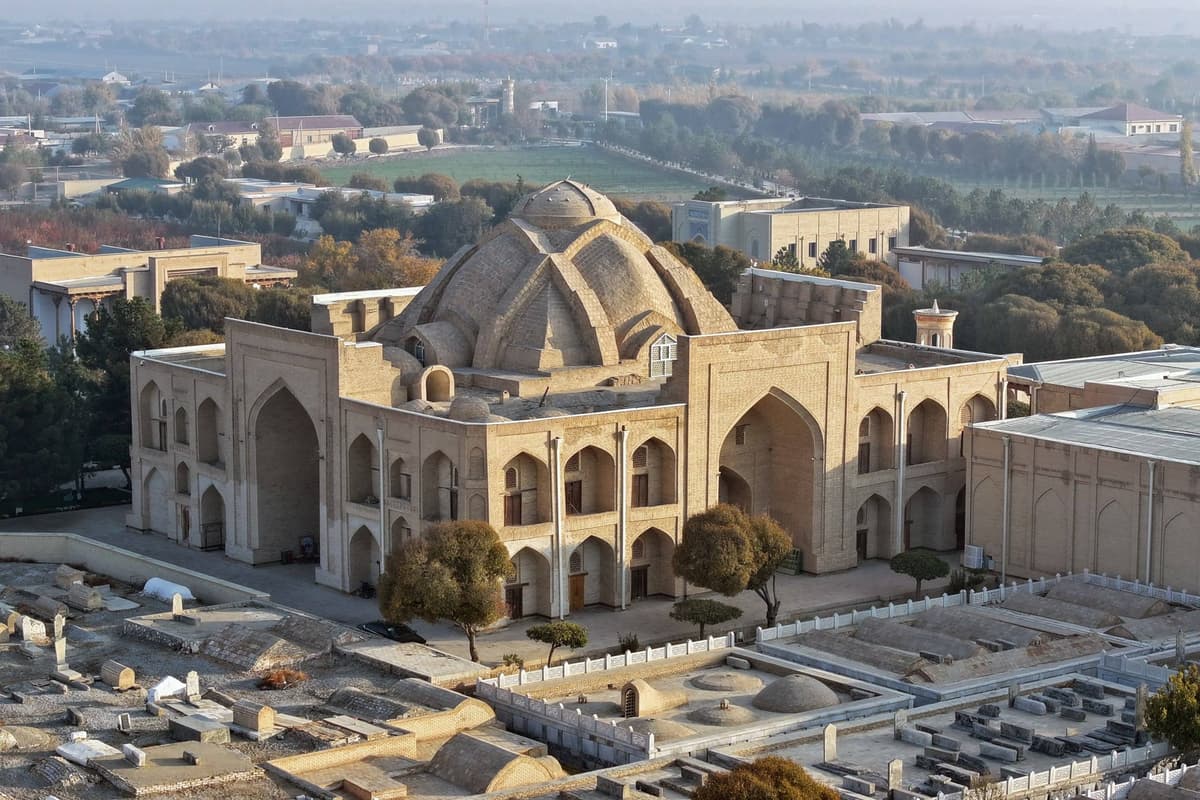
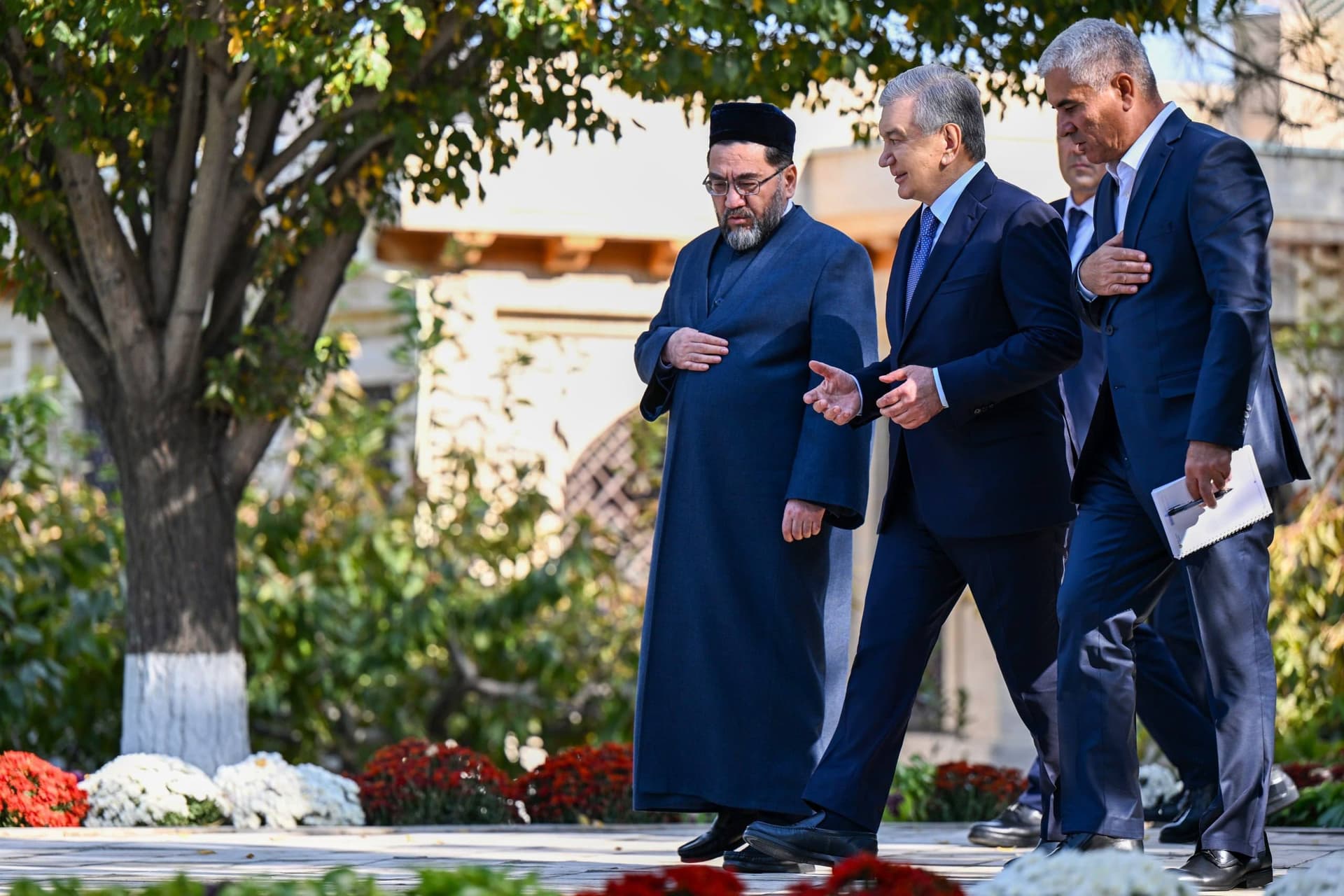
- The visit began at the Bahauddin Naqshband mausoleum in the Kagan district
- The complex is visited daily by about 15,000 people and is included in the UNESCO World Heritage List
The visit begins with a pilgrimage
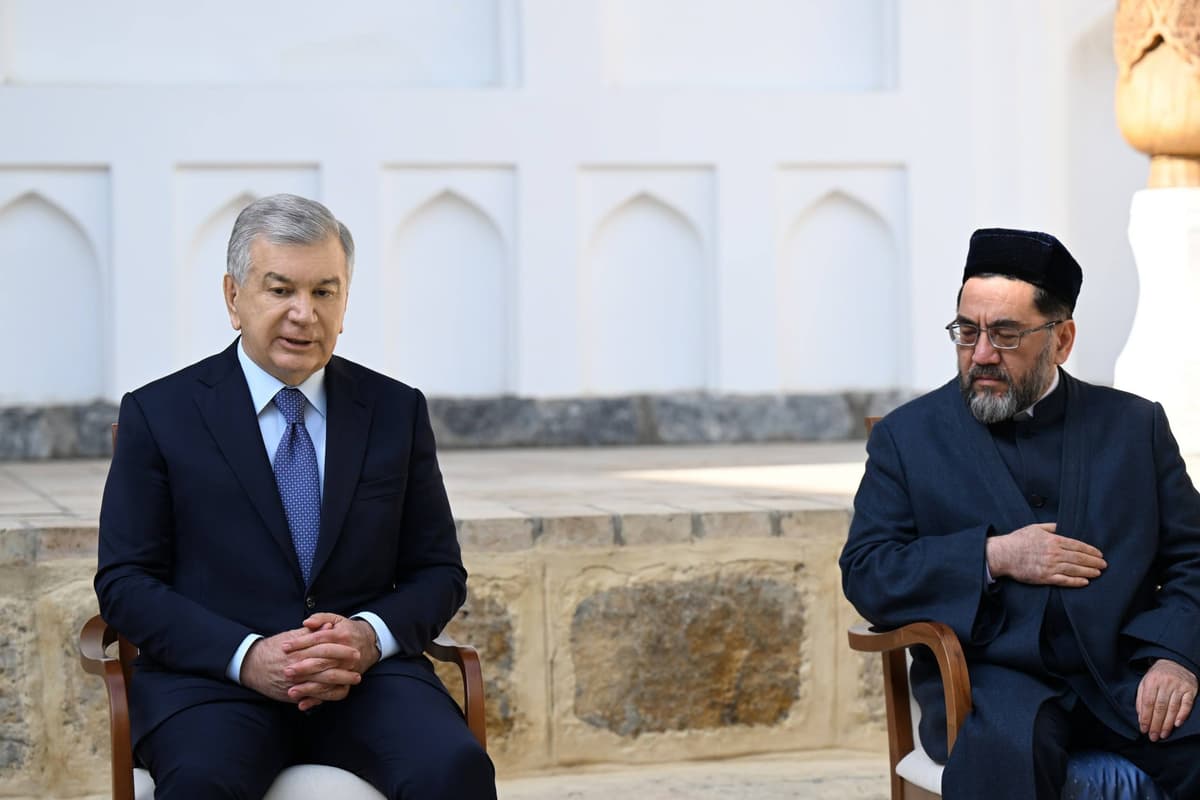
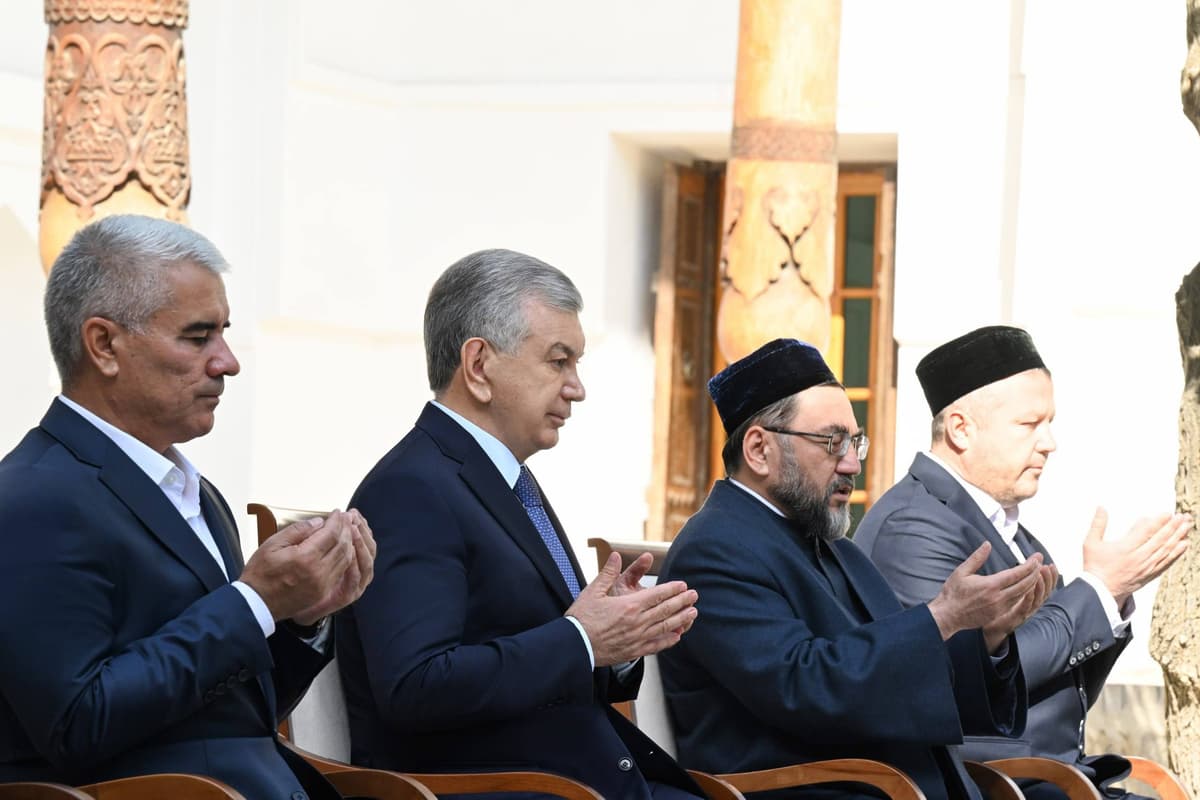
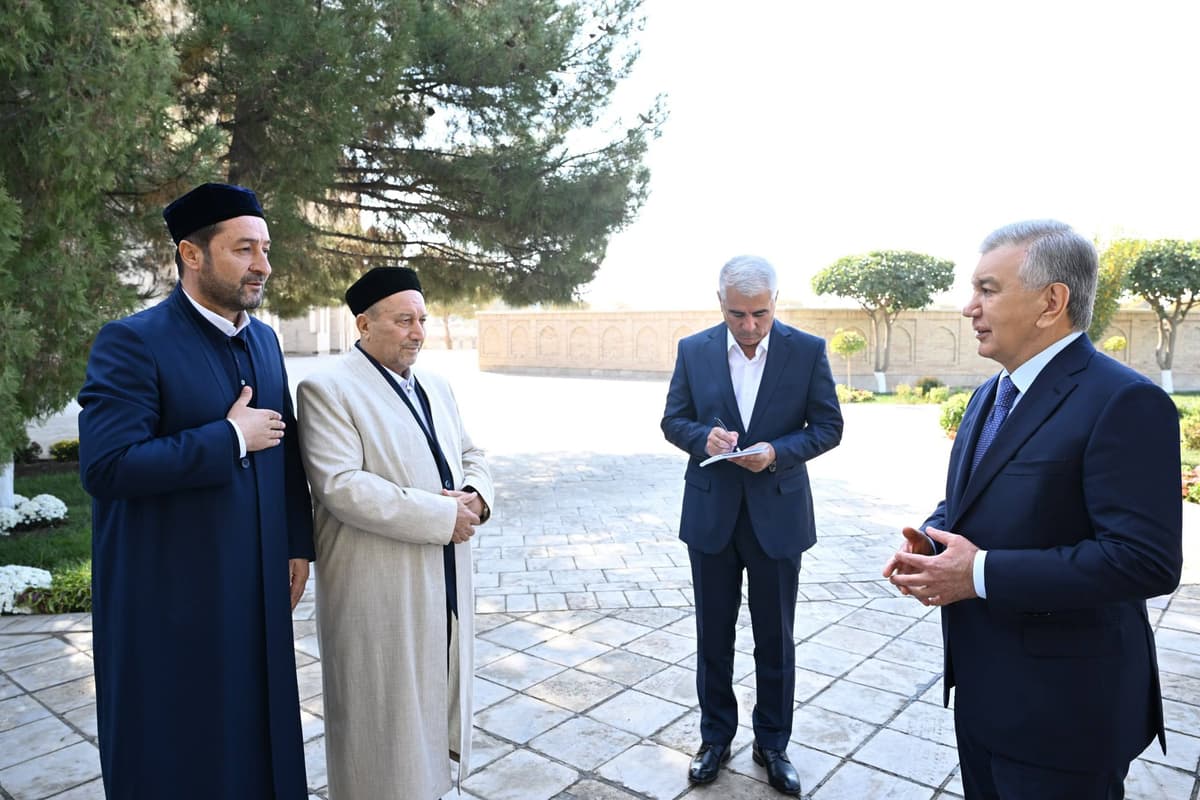
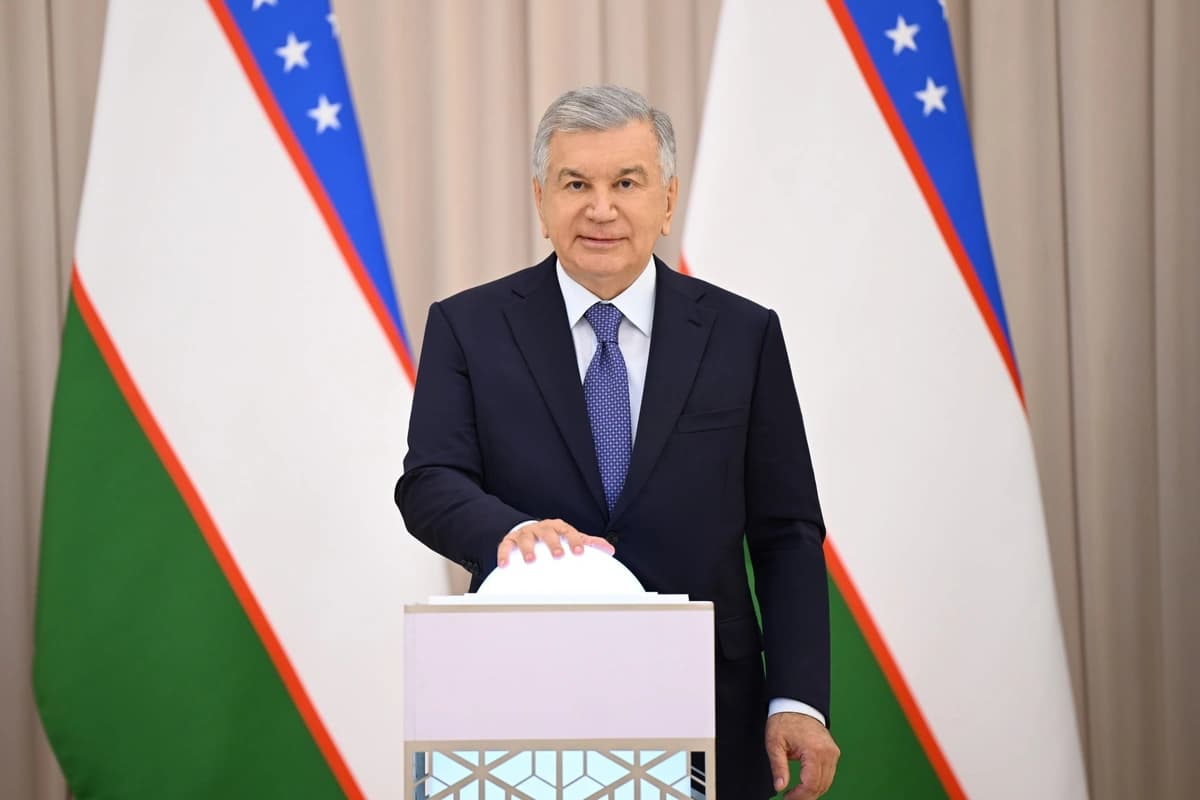
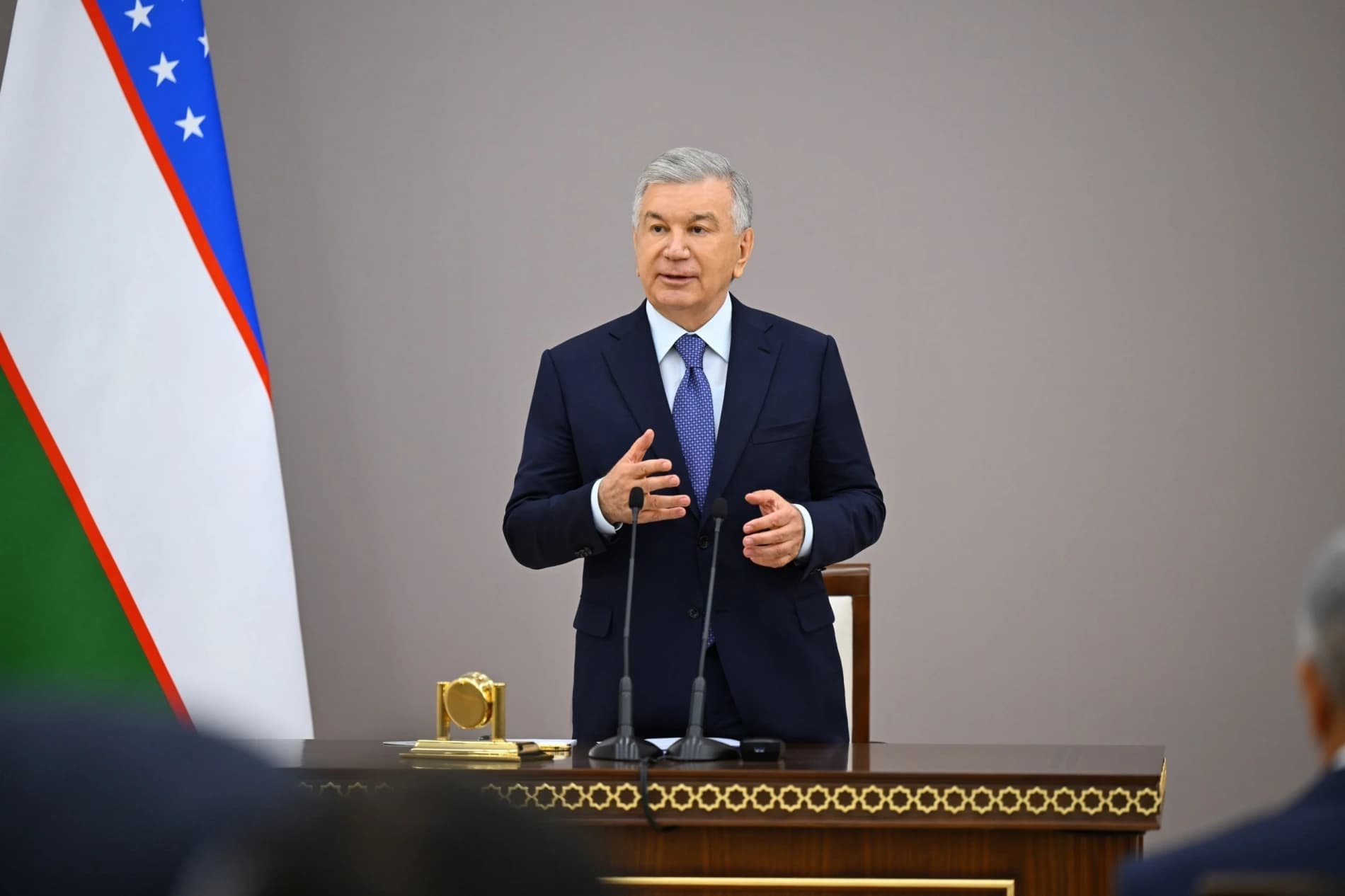
President Shavkat Mirziyoyev arrived in the Bukhara region on November 3, to review development work and projects being implemented in various sectors of the economy. This was reported by Zamon.uz; the trip was also covered by Kun.uz. The head of state's visit began with a visit to the mausoleum of Bahauddin Naqshband, located in the Kagan district: the Quran was recited there and prayers were offered for peace and the well-being of the people.
What is known about the complex
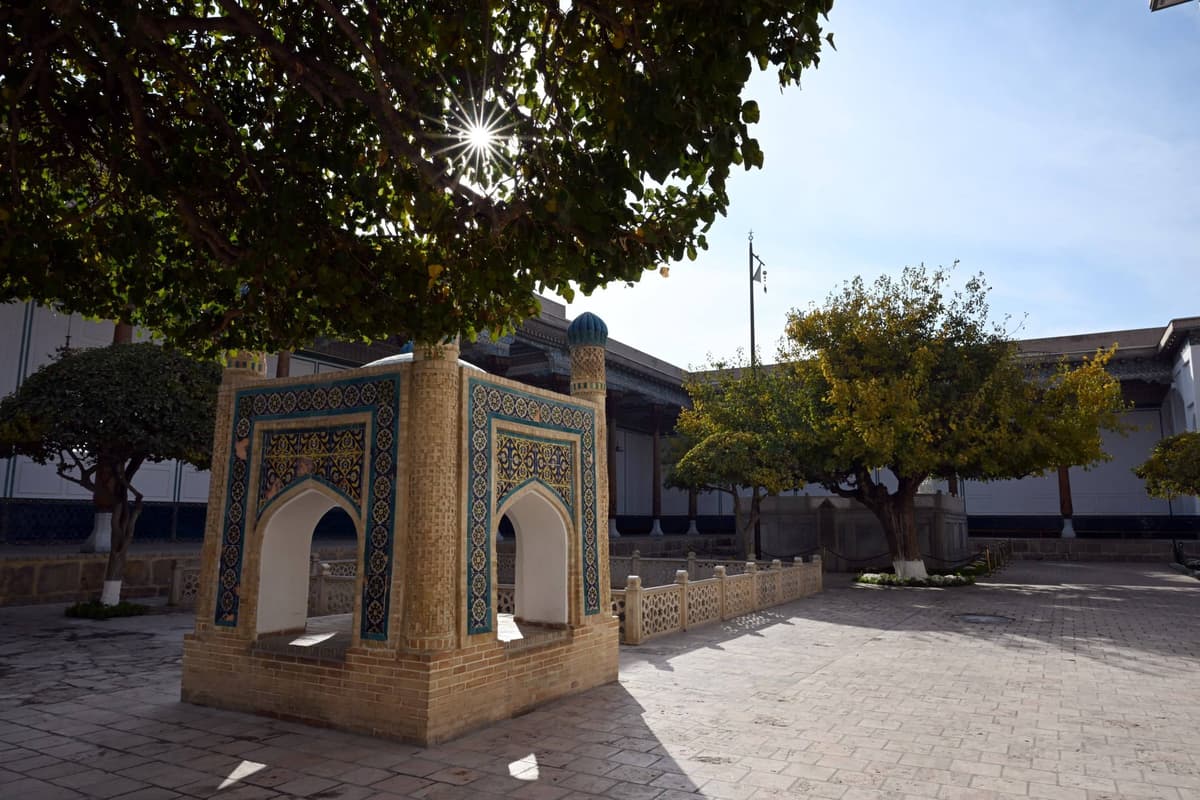
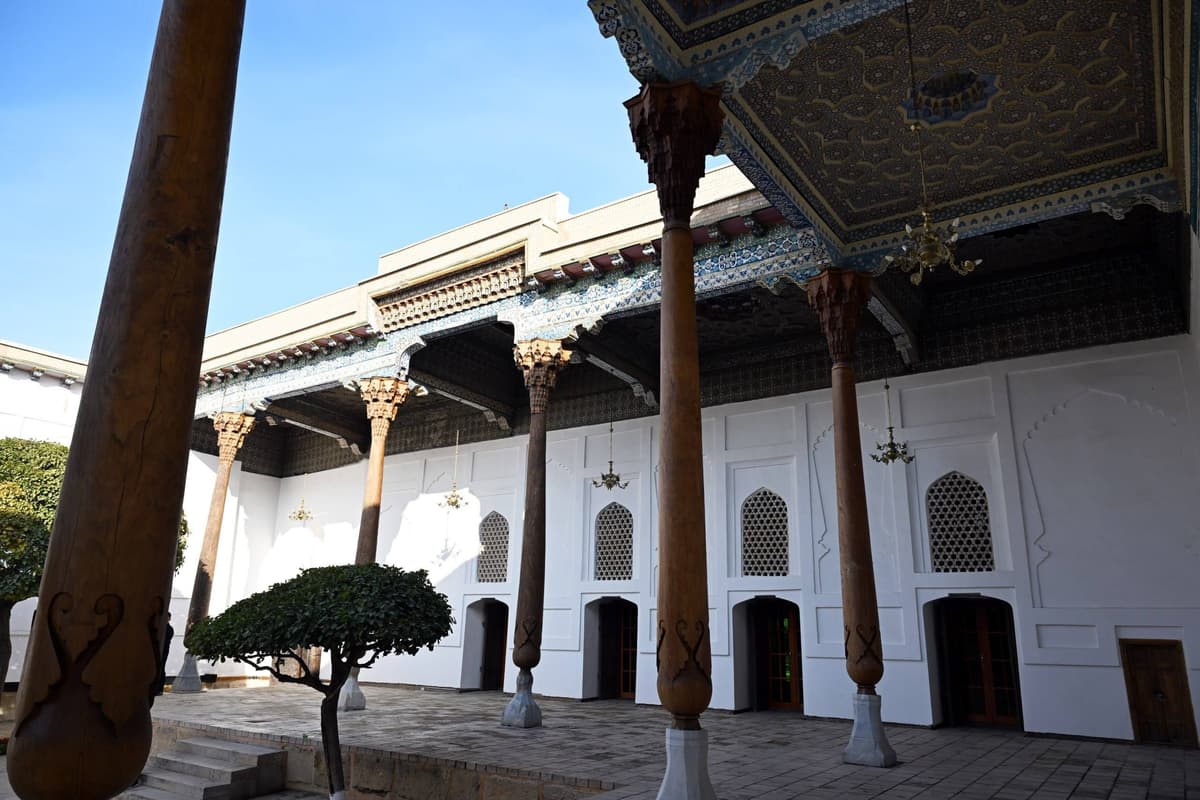
Khoja Muhammad Bahauddin Naqshband was a 14th-century scholar and the founder of the Naqshbandi Sufi order. The architectural complex that took shape over the centuries around his mausoleum remains one of the revered sites of the Islamic world: it is visited on average by about 15,000 people daily and is included in the UNESCO World Heritage List as part of the site 'Silk Roads: Zarafshan-Karakum Corridor.' In recent years, to preserve its historic appearance and make pilgrims' visits more comfortable, the Doniyolbiy Otalik madrasa and the Taki Miyona gates were restored based on 15th-century drawings, and a museum exhibition and a research center were created.
Statements by the president
The president emphasized that Bukhara has for centuries held an important place in the development of enlightened Islam, and noted the need to deeply study the spiritual heritage and use it in educating young people. 'The Center of Islamic Civilization, the complexes associated with the names of our ancestors Imam Bukhari and Imam Maturidi — all of this serves one goal: continuing the scholarly legacy of our great forebears and raising our youth in that spirit,' said Shavkat Mirziyoyev. The publications did not report, at the time of writing, on the further points of the visit's program or the specific economic projects that were to be reviewed.