The key facts
- The quorum was approved with 8 of 15 judges participating; the acting president believes the quorum should be based on 12 judges, not 15
- The court's 2027 budget was approved, along with disciplinary commissions to consider stripping the immunity of Święczkowski and Sochański
- President Nawrocki called the removal of the court's leadership a 'forcible seizure' and demanded its reinstatement; Morawiecki is preparing a vote of no confidence in Tusk's government
The court assembly was held with only a minority of judges participating
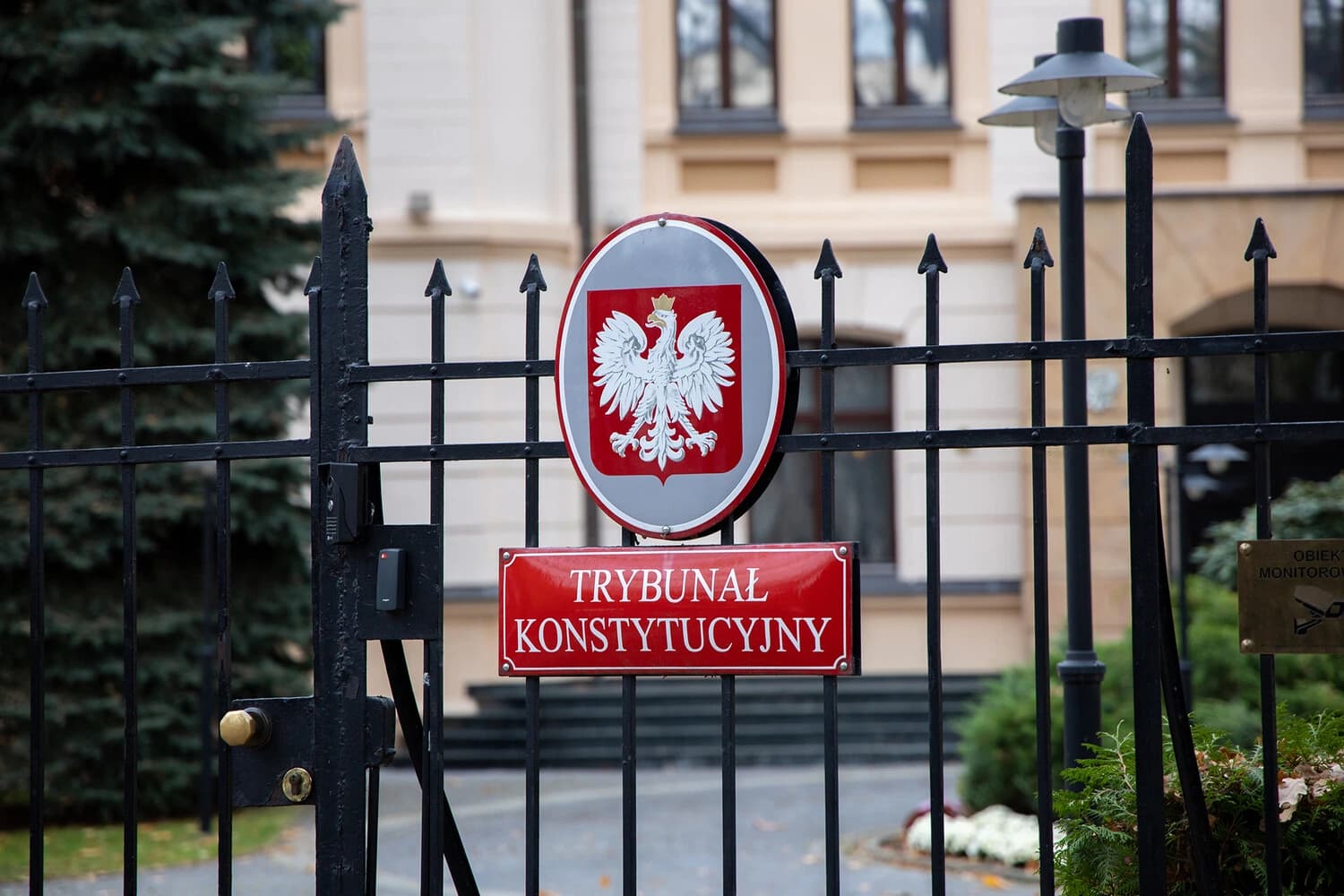
The General Assembly of Judges of Poland's Constitutional Court (tribunal) approved the quorum, even though only 8 of the body's 15 judges took part. A recording of the broadcast was published on the TVP Info YouTube channel. All judges present voted in favor of approving the quorum. Anna Korwin-Piotrowska, who has declared herself acting president of the court, believes that three of the 15 judges are currently not entitled to exercise their powers, so the quorum should be counted from 12 judges rather than 15.
What else the assembly decided
In addition to the quorum, the assembly approved the court's revenue and expenditure budget for 2027, as well as the composition of disciplinary commissions that will consider the question of lifting the immunity of acting Constitutional Court President Bogdan Święczkowski and his deputy Bartłomiej Sochański.
Context of the conflict over the court's leadership
On October 30, an announcement appeared on the court's website about the removal of Święczkowski and Sochański. Korwin-Piotrowska declared herself acting head of the tribunal as the most experienced of the remaining judges. Polish President Karol Nawrocki called what happened a 'forcible seizure,' urgently returned from a trip abroad, and demanded the reinstatement of the previous leadership. Former Prime Minister Mateusz Morawiecki announced that he was preparing a vote of no confidence in Donald Tusk's government. Overnight, protests demanding the prime minister's resignation took place in several Polish cities, including Gdańsk and Białystok, with demonstrators calling for the prime minister's resignation. Earlier, a scandal surrounding the Constitutional Court had already led to mass dismissals.
What is important to understand
The assembly has cemented the de facto situation that arose after the court's leadership was removed: decisions are being made with the participation of a minority of judges, and the legitimacy of this arrangement is disputed — the acting president's position on a quorum of 12 judges contradicts the body's formal composition of 15 judges. Moreover, the decisions adopted go beyond internal procedures: the 2027 budget has been approved and a disciplinary procedure has been launched against the removed court leaders, while the political conflict has spilled beyond the tribunal — up to and including preparations for a vote of no confidence in the government.