The key facts
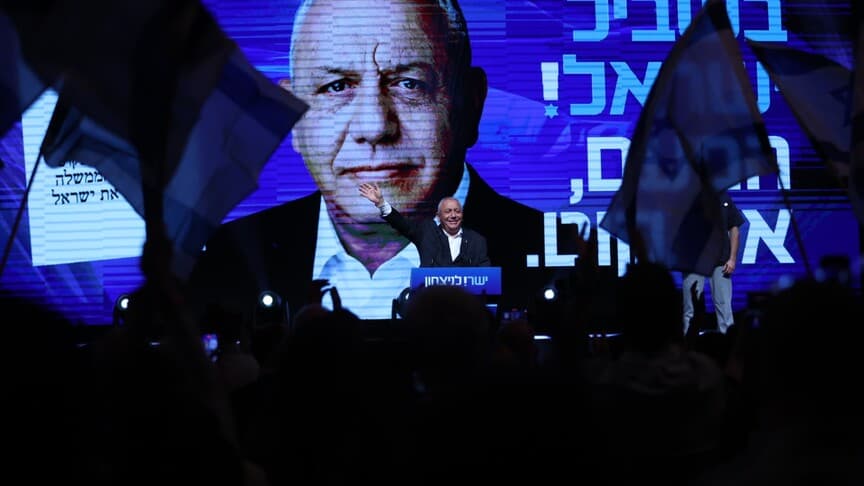
- Opposition leaders agreed to ask President Herzog to give Eisenkot the mandate to form a government
- According to Channel 12, the opposition is more open to a coalition with the ultra-Orthodox than with the Arab parties
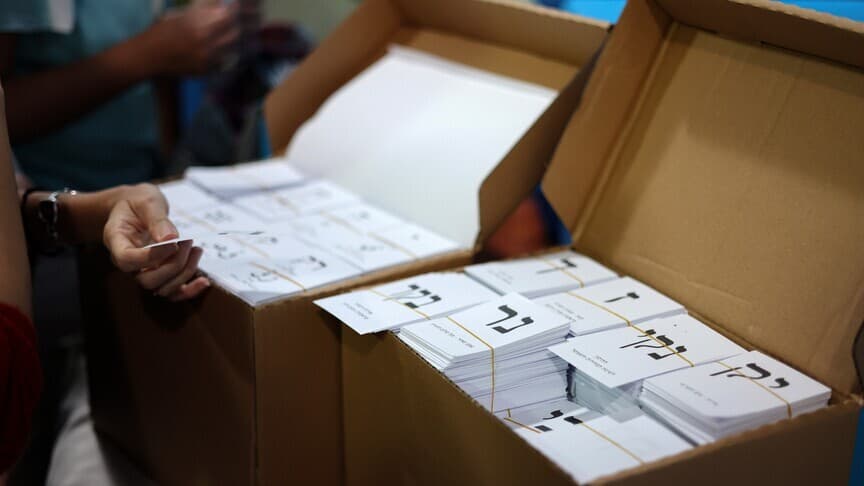
- Neither bloc won a majority in the 120-seat Knesset: 53 seats for Netanyahu, 48 for the Jewish opposition, 19 for the Arab parties
Opposition meeting after an election without a majority
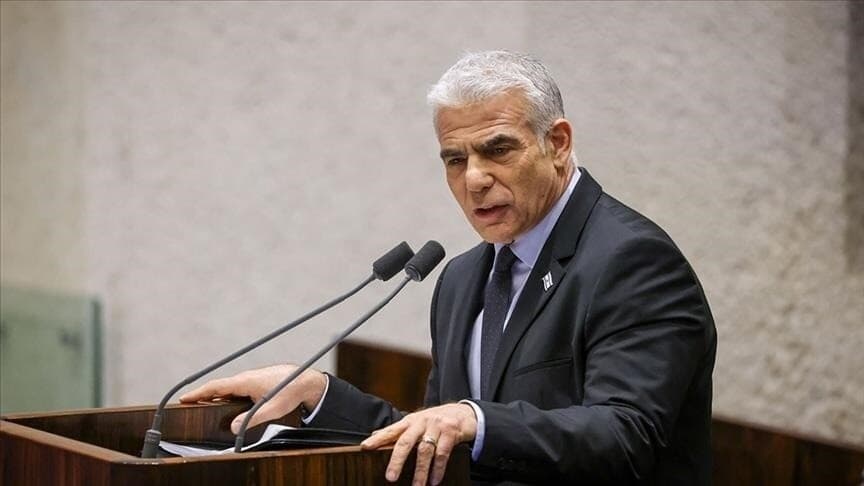
Leaders of the Israeli opposition held on Tuesday their first meeting since the parliamentary election, which lasted about an hour in Herzliya in central Israel. According to the Israeli TV channel Channel 12, the participants agreed to seek from President Isaac Herzog a mandate to form the next government for Yashar party leader Gadi Eisenkot, and also to choose a candidate for Knesset speaker by Monday. It was decided to discuss the formation of the coalition itself at a later stage. Taking part in the meeting were Naftali Bennett and Yair Lapid (Together), Avigdor Lieberman (Yisrael Beiteinu) and Yair Golan (The Democrats).
Arab parties not invited
According to Channel 12, the opposition shows greater openness to a government that includes the ultra-Orthodox parties than one that includes the Arab parties. The leaders of the Arab parties were not invited to the meeting, although they had previously expressed readiness to help prevent the formation of a new Netanyahu government. Context: according to the reported election results, Netanyahu's bloc won 53 seats, the Jewish opposition parties 48, and the Arab parties 19 in the 120-seat Knesset; a majority requires at least 61 members of parliament. This means that, mathematically, Eisenkot's opposition bloc lacks a majority even with either the ultra-Orthodox or the Arab mandates alone, so the question of whom to negotiate with determines the very possibility of an alternative government. The TV channel did not provide details about candidates for speaker or the composition of the future cabinet.
Dispute over military service and Shas's position
A key point in the coalition negotiations, it is expected, will be the question of exemptions from military service for students of religious educational institutions. The Shas party (6 seats) and United Torah Judaism (7 seats), which are part of Netanyahu's bloc, are seeking a law regulating the status of yeshiva students and protecting them from compulsory service. Shas leader Aryeh Deri stated on October 14 that the party will not join and will not support the future government if the students' status is not settled by separate legislation. On Tuesday, Shas announced that it recommends the president task Netanyahu with forming the government, citing his commitments on the status of Torah students. Netanyahu's bloc shrank from 68 seats in the outgoing Knesset to 53, which forces it to seek additional parliamentary support while taking into account the demands of its ultra-Orthodox allies; proposals for broad service exemptions face objections in Israel amid the dispute over equal obligation to serve.
What comes next
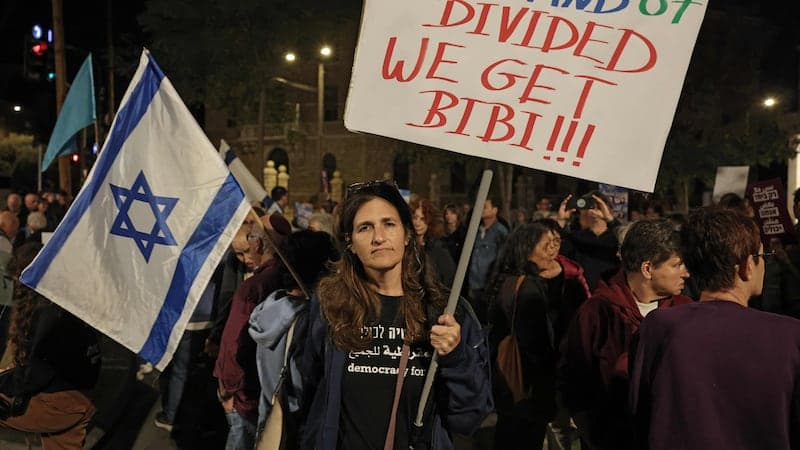
The opposition meeting took place one day before the Central Elections Commission's planned announcement on Wednesday of the official election results — Netanyahu and the far right are contesting the outcome. On Wednesday, Herzog is also due to begin two days of consultations with the parliamentary parties, after which he will decide which member of parliament to task with forming the government. The official results and the president's decision will be the next steps in determining who exactly gets the chance to assemble a coalition.