The key facts
- The execution took place on the morning of November 3 at Isfahan Central Prison
- The official version — the killing of four security personnel on January 8 at Alihani Square
- Human rights advocates report torture, forced confessions and the absence of murder charges
Execution in Isfahan
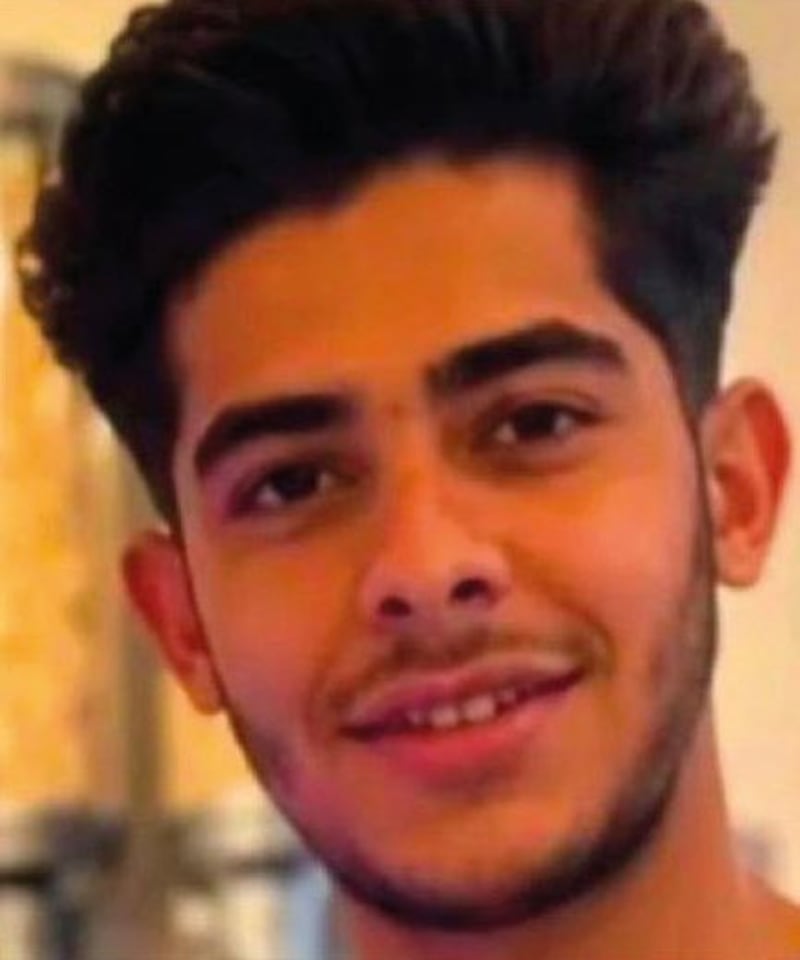
Two young men arrested during January's anti-government protests have been executed in Iran. According to the Norwegian human rights organization Hengaw, Amirhossein Maliki and Amirhossein Ebrahimi were hanged on the morning of November 3 at Isfahan Central Prison. Hengaw puts both men's age at 20 and describes Ebrahimi as an “outstanding medical student”; the organization Iran Human Rights, also based in Norway, puts their ages at 19 and 20 respectively and counts the executed men among 36 people executed this year in cases related to the January protests.
The official account and the charges
The judiciary's Mizan news agency confirmed the executions and said the men had been sentenced for killing four security personnel at Alihani Square in Isfahan on January 8. According to the agency, they “committed a heinous crime” and were guilty of “spreading corruption on earth” (efsad-e fel-arz) and “waging war against God” (moharebeh) — crimes punishable by death under Iran's penal code and frequently applied to protesters and opponents of the authorities.
Human rights advocates' objections
Iran Human Rights said there had been “torture, forced confessions and gross violations of due process” in the defendants' case and noted that “the authorities used the death of four security personnel to justify these executions, although none of those executed was charged with murder.” Hengaw states that on January 8 Ebrahimi was riding a motorcycle to his grandmother's home, was detained in a crowd and identified by security forces through mobile phone tracking, and during interrogations was subjected to severe physical and psychological torture to extract a confession. The organization reported that three more defendants in the Alihani Square case “are under serious threat of execution” and called on European countries to “go beyond statements of concern and take concrete measures” to halt the executions.
Context
The January protests became one of the largest mass challenges to the Islamic Republic since its founding in 1979. According to reports, thousands of protesters were killed and tens of thousands detained during the crackdown on the movement; a UN fact-finding mission and Amnesty International statedthat the repression reached the scale of crimes against humanity and included killings, rape, enforced disappearances and torture. Iran Human Rights counted 691 executions in the country so far this year, against the backdrop of pressure on dissent during the war with the United States and Israel. Human rights organizations regularly report violations of international standards in Iranian courts, including denial of access to lawyers, forced confessions, and failure to notify families and lawyers before sentences are carried out.