The key facts
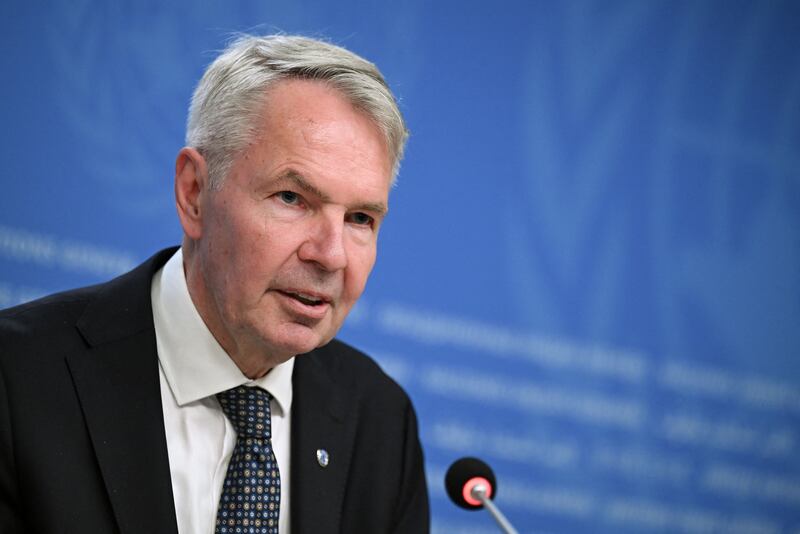
- UN Special Envoy Pekka Haavisto expects a meeting with Hemedti's RSF bloc before Christmas, possibly in Addis Ababa
- The talks are taking place within the 'Quintet' (UN, EU, African Union, League of Arab States, IGAD) with the support of the 'Quartet' — Egypt, Saudi Arabia, the US and the UAE
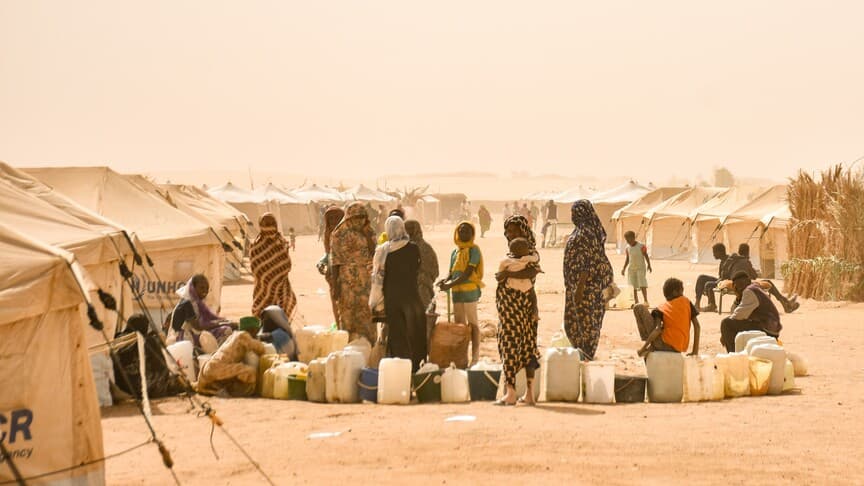
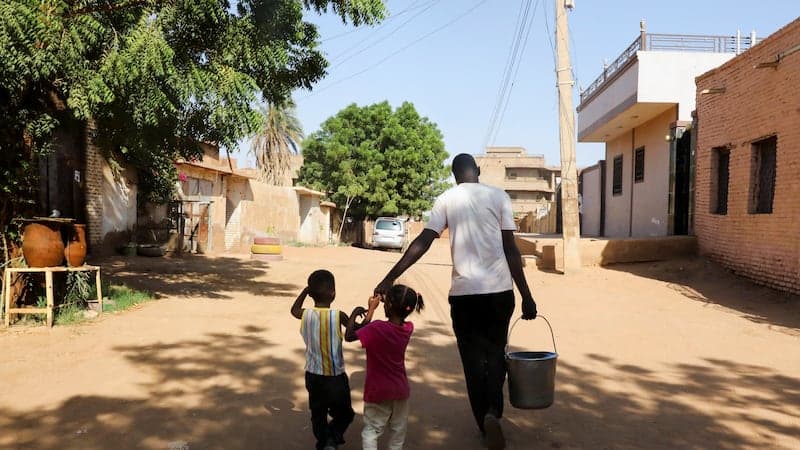
- According to the UN, more than 14 million people have been displaced and around 20 million face hunger
The UN expects talks with the RSF in the coming weeks
The UN Special Envoy for Sudan, Pekka Haavisto said in an interview with The National at the Manama Dialogue security forum in Bahrain that talks with the Rapid Support Forces (RSF) on a transition to civilian rule could take place 'before Christmas'. According to him, 'good meetings' have already been held with circles close to the Sudanese Armed Forces (SAF) and with the anti-war coalition led by former prime minister Abdalla Hamdok. A meeting of the 'Quintet' with the RSF and their allies may take place in Addis Ababa.
Diplomacy and war: a contrast in the parties' positions
Haavisto noted that diplomatic activity is now stronger than it was a few years ago, and spoke highly of the work of the 'Quintet' — the UN, the EU, the African Union, the League of Arab States and IGAD — as well as the 'Quartet' comprising Egypt, Saudi Arabia, the US and the UAE. At the same time, the positions of the parties to the conflict remain hardline: SAF commander General Abdel Fattah al-Burhan has repeatedly rejected ceasefire proposals, while the RSF and its commander Mohamed Dagalo (Hemedti) have so far given no clear commitments on peace proposals. According to the publication, the US is seeking an arms embargo for the whole of Sudan and has stated that there is 'no future' for either of the two warring generals in the country's political leadership.
On the ground — 'a war against civilians'
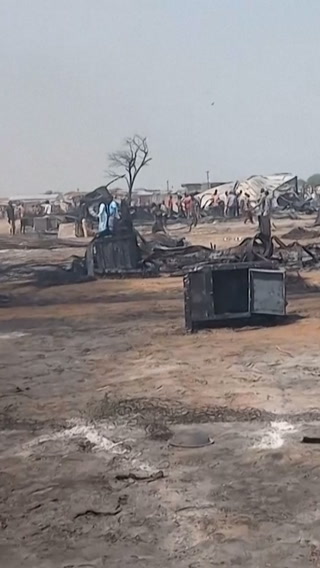
Haavisto agreed with the characterization of the conflict not only as a civil war but also as 'a war against civilians'. Drone strikes have intensified in Abyei, Kordofan and Darfur; UN Secretary-General António Guterres condemned them — water pumping stations, humanitarian trucks and hospitals have been hit. UN-appointed investigators reported that the city of El Obeid lives in 'constant fear' because of drone strikes on one side and arrests and torture on the other: mission expert Mona Rishmawi spoke of thousands of detainees held by SAF forces and of torture in El Obeid's central prison and 'unofficial places'. In September, The National notes, reports emerged that the SAF had used chemical weapons and had built up a secret stockpile which it then tried to conceal. The publication also cites a video reporting a SAF drone strike on a market in which more than 150 people were killed.
The scale of the humanitarian crisis
The war began in April 2023 over a power struggle between the SAF and the RSF around the question of civilian rule and the planned integration of the rival forces. According to the UN World Food Programme, more than 14 million people have been displaced and nearly 20 million face hunger — one of the largest humanitarian crises in the world. Repeated diplomatic initiatives have so far failed to secure a lasting ceasefire; recent reports by the fact-finding mission, which accused both sides of crimes, and growing US pressure may, in Haavisto's assessment, open a 'window of opportunity' for diplomacy.