The key facts
- Marine Le Pen condemned the suspension of the president of Poland's Constitutional Tribunal and the law enforcement actions around the court building
- Radosław Sikorski replied that Poland does not interfere in France's politics and asks for reciprocity
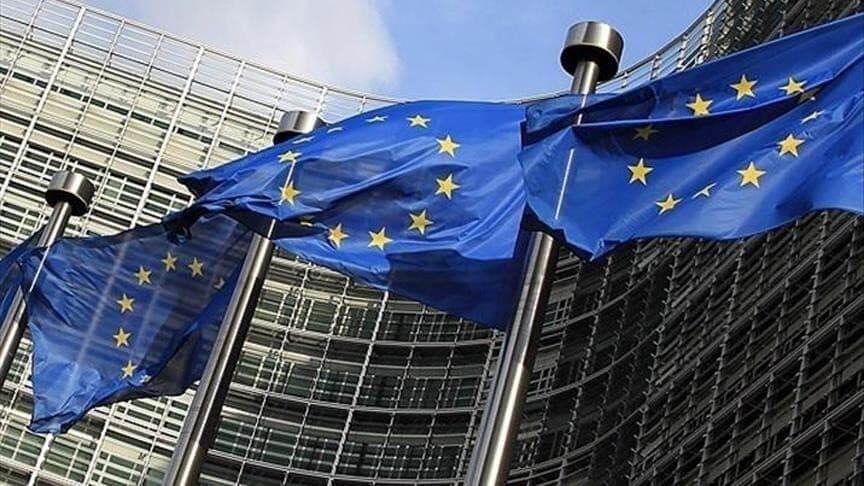
- The European Commission stated that the appointment of eight new judges falls within the Sejm's constitutional powers
The dispute has escalated to the European level
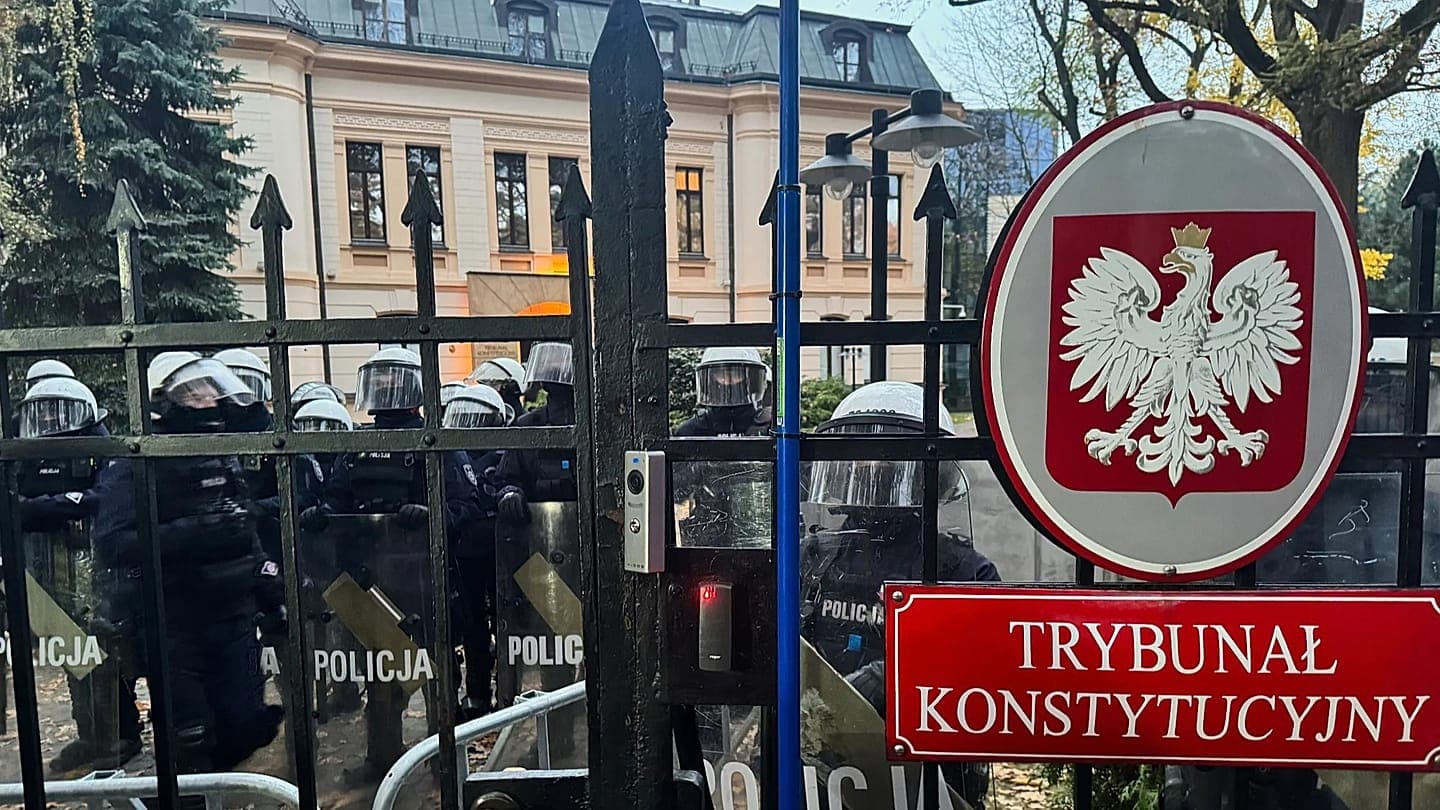
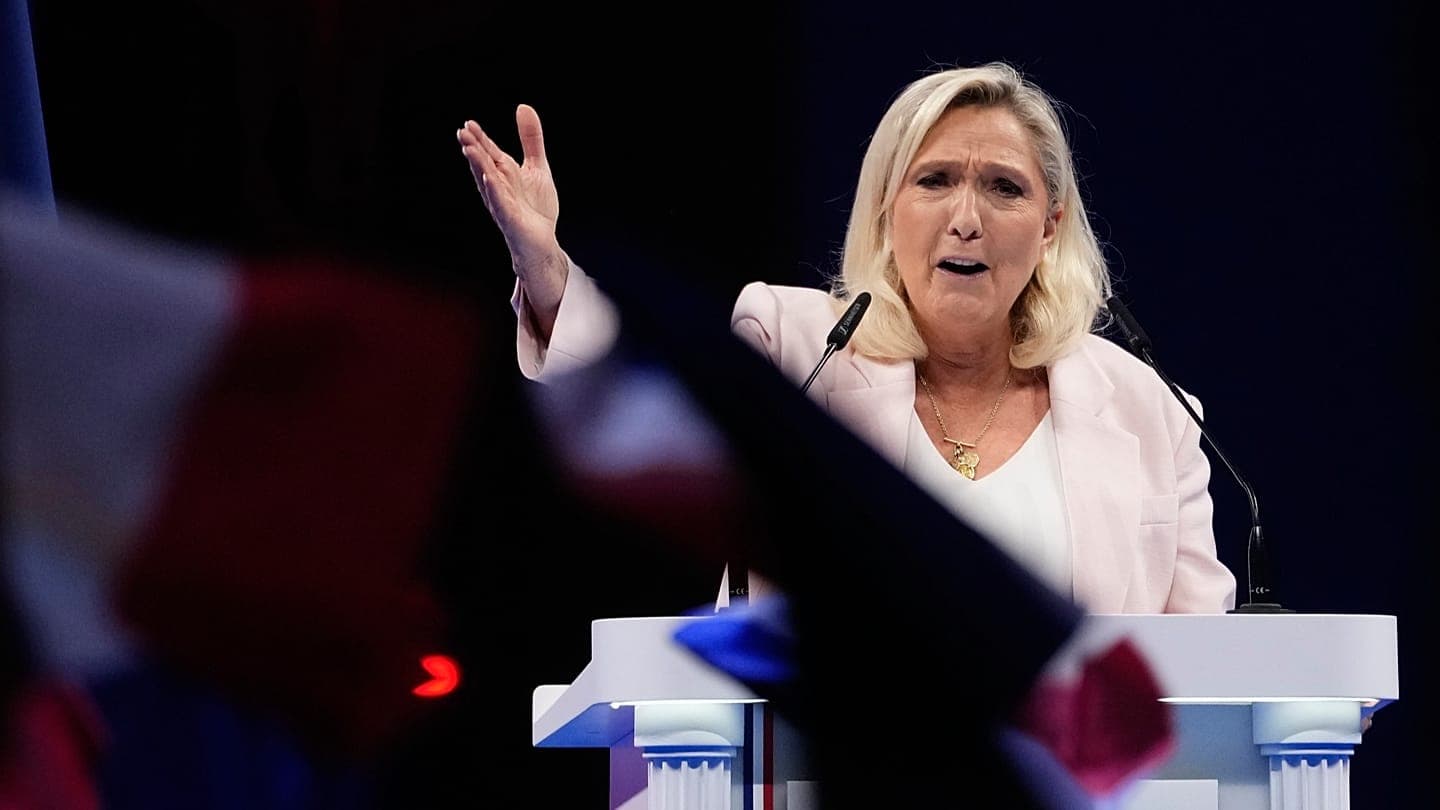
The crisis surrounding Poland's Constitutional Tribunal drew attention beyond the country's borders after the leader of the French party National Rally, Marine Le Pen, publicly commented on the situation. In a post on X, she called what is happening grounds for 'deep concern' and stated that the contested suspension of the tribunal's president and the actions of law enforcement around the building 'resemble a violent seizure of a constitutional body.' According to her, the European Union's indifference and the media's silence regarding the Polish crisis raise 'legitimate questions': one cannot claim to defend democracy and the rule of law while silently watching the constitutional balance of a member state come under serious threat.
Warsaw's response
Poland's Foreign Minister Radosław Sikorski replied to Le Pen's post: 'Ms. Le Pen, as a friend and ally of France, Poland does not interfere in your politics. We ask that you respect us by not interfering in ours.' Thus the exchange between the two politicians itself became part of a crisis that has already moved onto the pan-European stage: the standoff over the court was broadcast live on television and is being discussed in the European political agenda.
The essence of the conflict
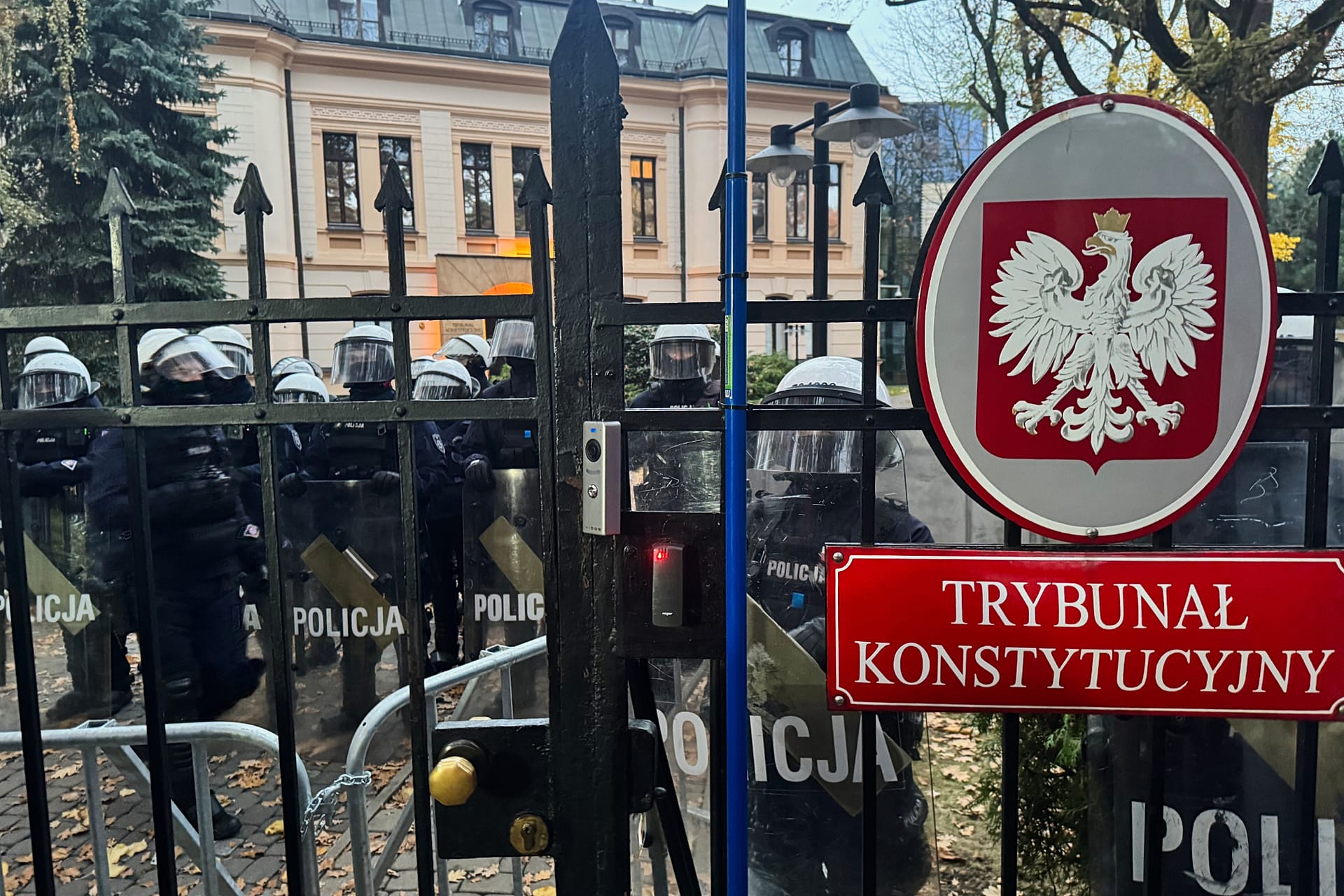
The dispute was triggered by a deadlock over the appointment of new judges to the tribunal. On Friday evening, Polish President Karol Nawrocki attempted to enter the tribunal building amid the deadlock over judicial appointments; police surrounded the building, and the confrontation unfolded live on television. The opposition accuses Donald Tusk's government of attempting a coup, while the government maintains that it is carrying out long-overdue reforms to restore the rule of law after years of the Law and Justice (PiS) party's interference in the judiciary.
The parties' positions and Brussels' reaction
Tusk said the government had tried to resolve the crisis, but its proposals were blocked by PiS and the president. According to him, the parliamentary majority calmly waited for the terms of judges appointed under the previous PiS government to expire in order to avoid confrontation. The Sejm elected new judges, and they took the oath; however, Nawrocki did not officially accept it, and tribunal president Bogdan Święczkowski refused to admit the new judges to work. Tusk called the elected judges lawfully appointed and stated that no politician, including the president, has the right to enter the court, give instructions to judges, or intimidate them — this referred to Nawrocki's visit to the tribunal building after he turned around a plane flying to Senegal. Tusk also warned that pro-Russian groups, including, in his assessment, Russian bots online, could exploit the political conflict, and promised to ensure the tribunal's security and conditions for its work. No specific agreement with Nawrocki or detailed resolution plan was announced in his speech. The European Commission said on Saturday that it is closely monitoring the crisis: its representative noted that the appointment of eight new members of the tribunal falls within the Sejm's constitutional powers, and that ensuring the tribunal's functioning in line with the Polish constitution and the case law of the EU Court is the task of the Polish authorities.