The key facts
- Iliana Yotova won the second round of Bulgaria's presidential election on November 1, receiving 58.1% against 38.9% for Andrei Gyurov, according to Trend's parallel count covering 100% of polling stations
- She became Bulgaria's first elected female president and had held the post since January following Rumen Radev's resignation
- Yotova opposes further Bulgarian military aid to Ukraine and advocates diplomacy and a 'coalition for peace'
Victory in the second round
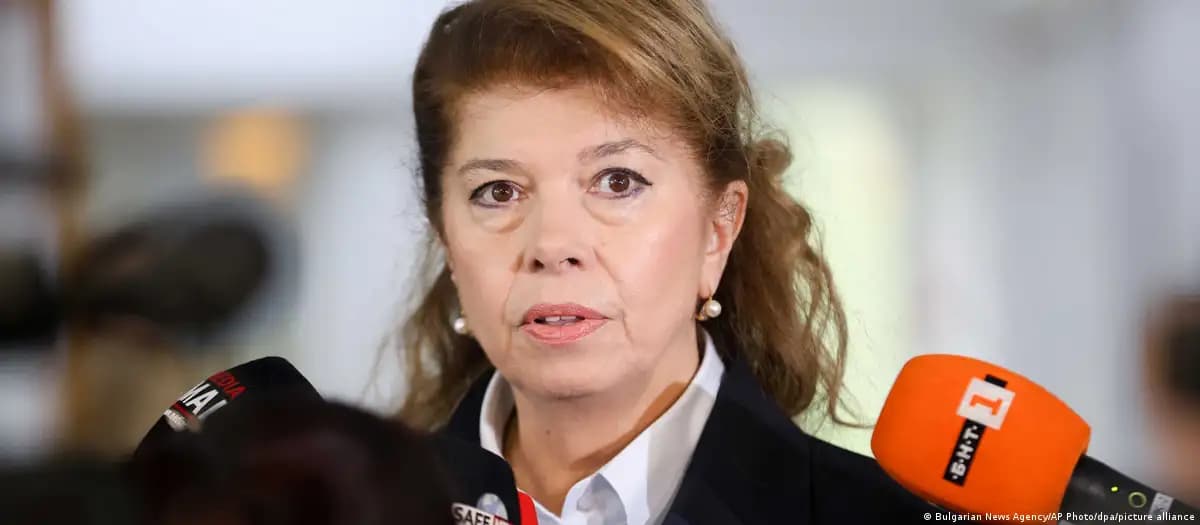
Iliana Yotova, who had served as President of Bulgaria since January following Rumen Radev's resignation, won the second round of the election on November 1 and, according to parallel vote counts, will become the country's first elected female president. According to a tally by the Trend agency based on 100% of polling stations, the Yotova — vice-presidential candidate Kiril Valchev ticket received 58.1%, while her rivals, former caretaker Prime Minister Andrei Gyurov and Georgi Kandev, received 38.9%. This was reported by Anadolu.
The path to the post
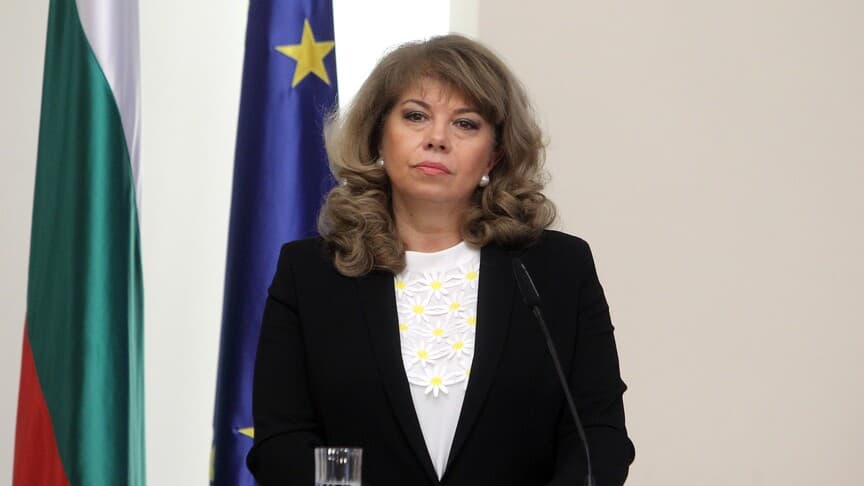
Yotova previously served as a Member of the European Parliament and later became Radev's running mate, serving as vice-president throughout both of his terms; in 2021 they were re-elected with 63.9% in the second round. In January, Radev resigned to pursue party politics, and under constitutional rules Yotova succeeded him in the post. The Progressive Bulgaria party founded by Radev won 131 of 240 seats in the National Assembly in the April parliamentary elections — an absolute majority — and backed Yotova in the presidential election.
How the election cycle unfolded
In the first round on October 25, Yotova and Valchev took first place with 34.76%, narrowly ahead of Gyurov and Kandev with 31.95%. Due to low turnout, no ticket could win outright, and a second round was held on November 1. The election took place against a backdrop of prolonged political instability: since April 2021, Bulgaria has held eight parliamentary elections.
The candidates' positions
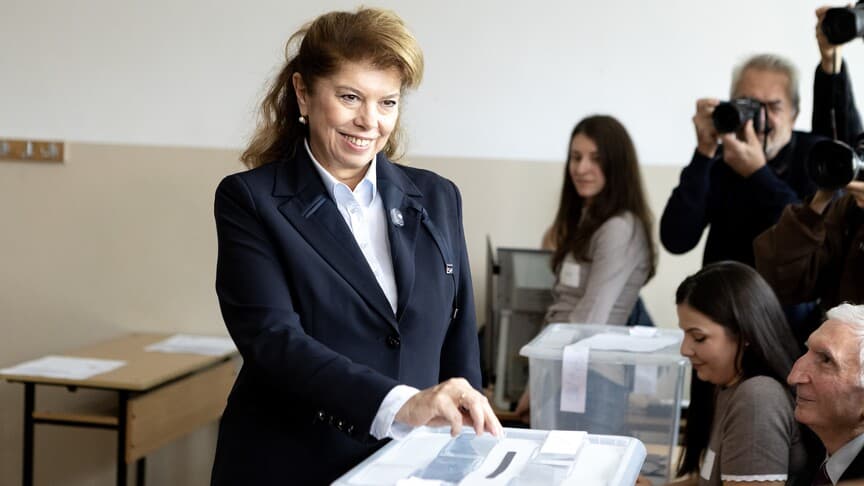
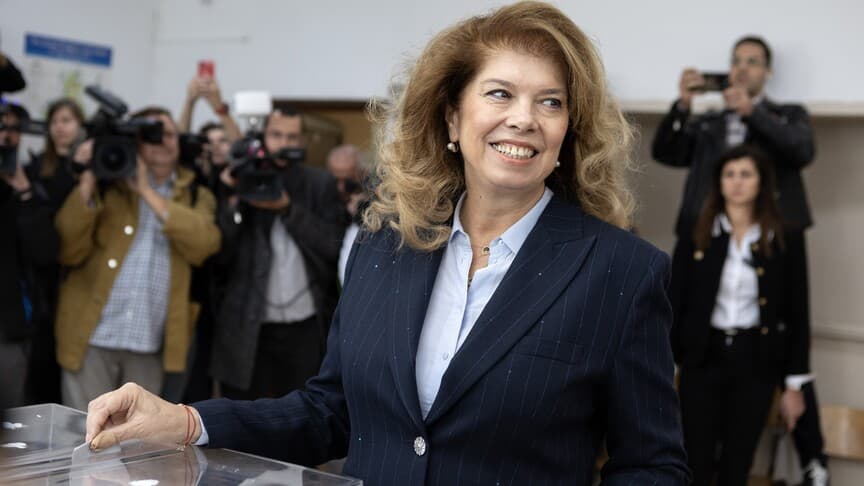
Foreign policy, above all the Russia–Ukraine war, became one of the main dividing lines of the campaign. Yotova opposes further Bulgarian military aid to Ukraine, arguing that the conflict has no military solution, and calls for a 'coalition for peace' with an emphasis on diplomacy. Gyurov, by contrast, criticized the reduction of support for Ukraine and advocated closer coordination with NATO and EU partners. Yotova also stressed that Bulgaria should retain greater independence in foreign policy while remaining part of a 'strong Europe.' After voting in the second round, she said: 'I voted for a president of peace.' Earlier this year, already as president, she vetoed a law limiting the number of polling stations for Bulgarian citizens outside the EU, believing the changes could infringe on voting rights.