The key facts
- 1% of France's 3,700 lycées were blockaded, according to the education ministry
- The government announced measures: a change to the university admission procedure, more teachers, and a limit on class sizes
- Education minister: several hundred thousand graduates missed four to five weeks of lessons
The protest resumed after the holidays
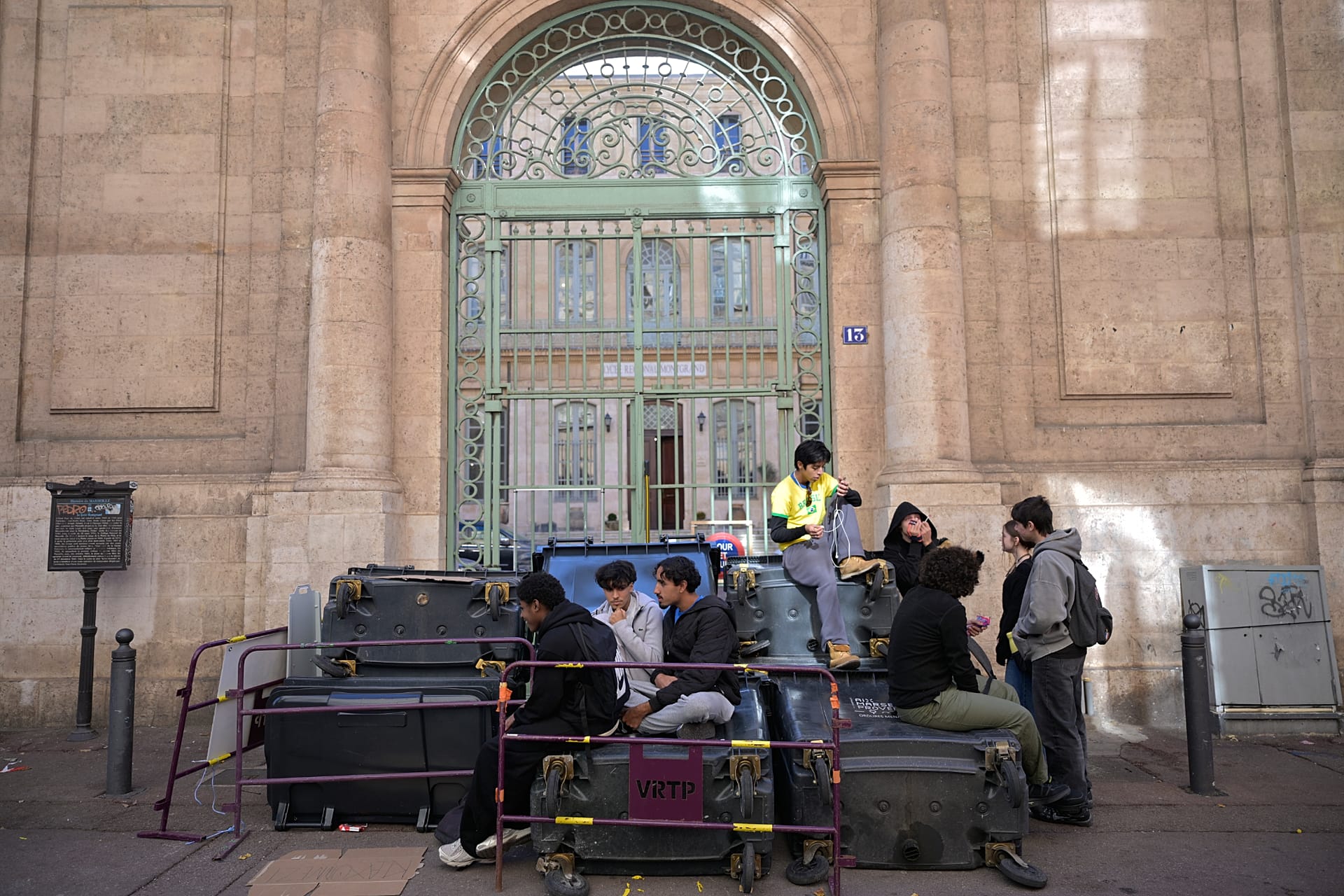
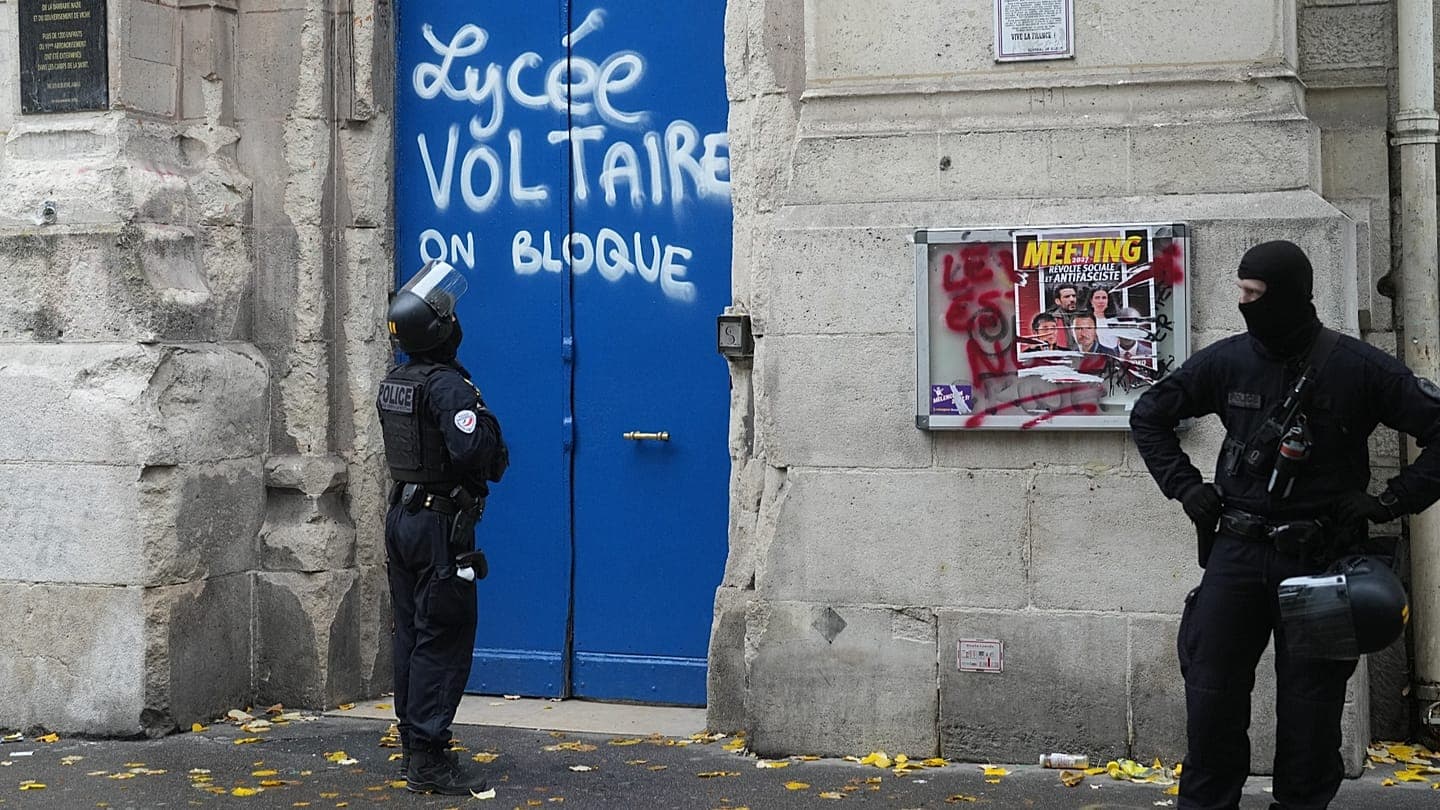
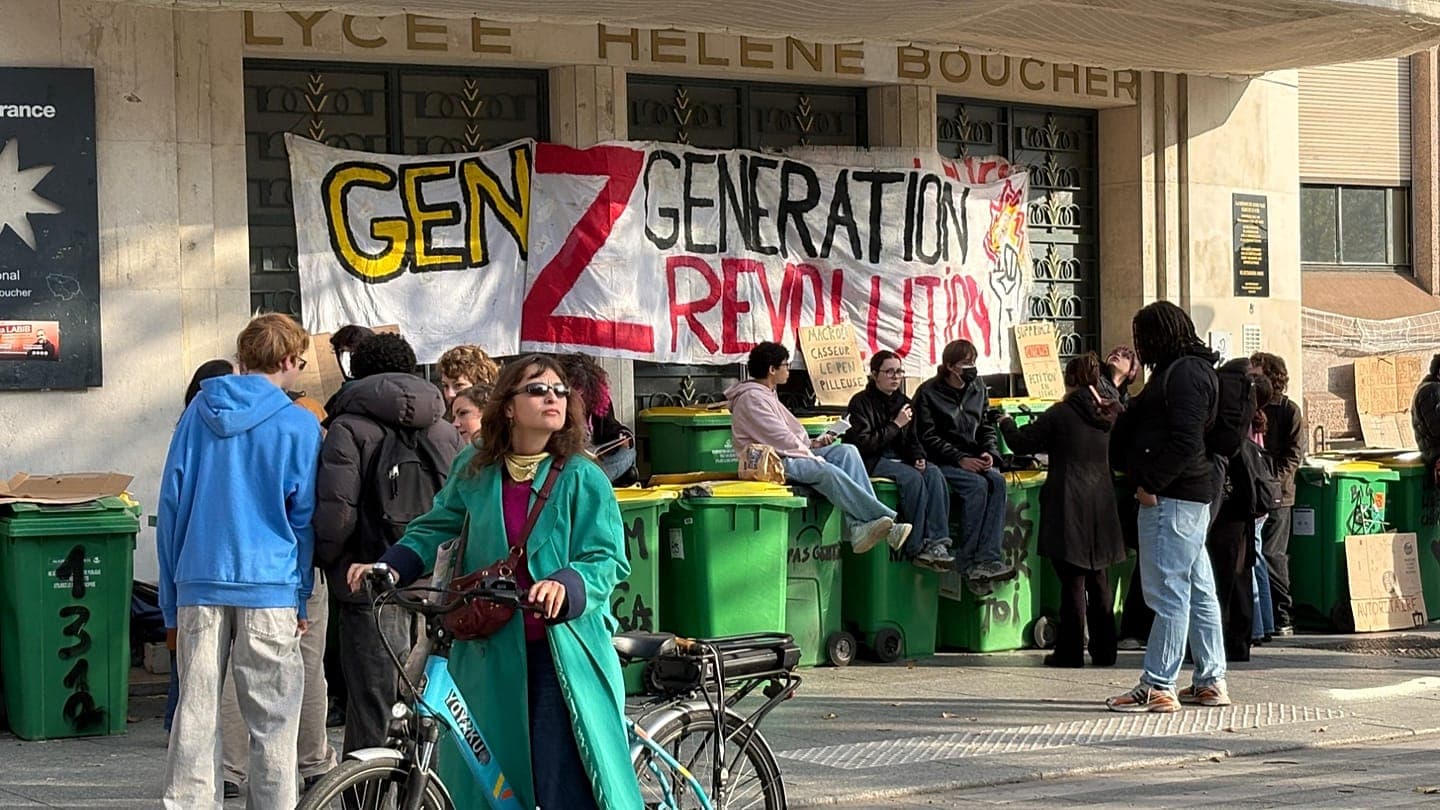
French high school students returning from the autumn holidays blockaded a number of lycées on Monday, 2 November 2026, deciding to continue their protest movement despite the concessions announced by the government during the school break. According to the education ministry, cited by both Euronews versions, only 1% of the 3,700 lycées for students aged 15–18 were blockaded. The actions continued after hundreds of thousands of people, including schoolchildren, took to the streets across France on Saturday for the third weekend in a row.
Demands and the government's response
The movement began in September, when high school students staged nationwide actions over learning conditions and inequality; the rallies then grew into protests against the rising cost of living. The government announced measures: a change to the university admission procedure, providing more teachers, and setting a limit on the number of pupils per class. Some schoolchildren consider this insufficient. In Marseille on Monday morning, several rubbish bins were piled up in front of a lycée entrance. “We resumed the movement because we were supposedly given answers, but this is clearly not enough,” 16-year-old Meriam told the AFP agency.
The authorities' position
Education Minister Édouard Geffray, on France Inter radio, urged students to return to class so as not to fail their exams: in his words, several hundred thousand students preparing for the baccalauréat had missed four or five weeks of lessons. President Emmanuel Macron called for a calm return to classes, saying that “young people have been heard.” Euronews notes that the government has limited room to appease the protesters with additional spending: the EU's second-largest economy is on the brink of recession and under pressure to reduce its debt.