The key facts
- Former Greek Prime Minister George Papandreou calls for serious responses to Laura Kovesi's allegations of pressure on prosecutors in Greece.
- He links the existence of the European Public Prosecutor's Office to Greece's ability to avoid its debt crisis.
- He advises the new EPPO leadership to resist political pressure and urges institutions to ensure adequate funding and authority.
Call in support of the outgoing head of the European Public Prosecutor's Office
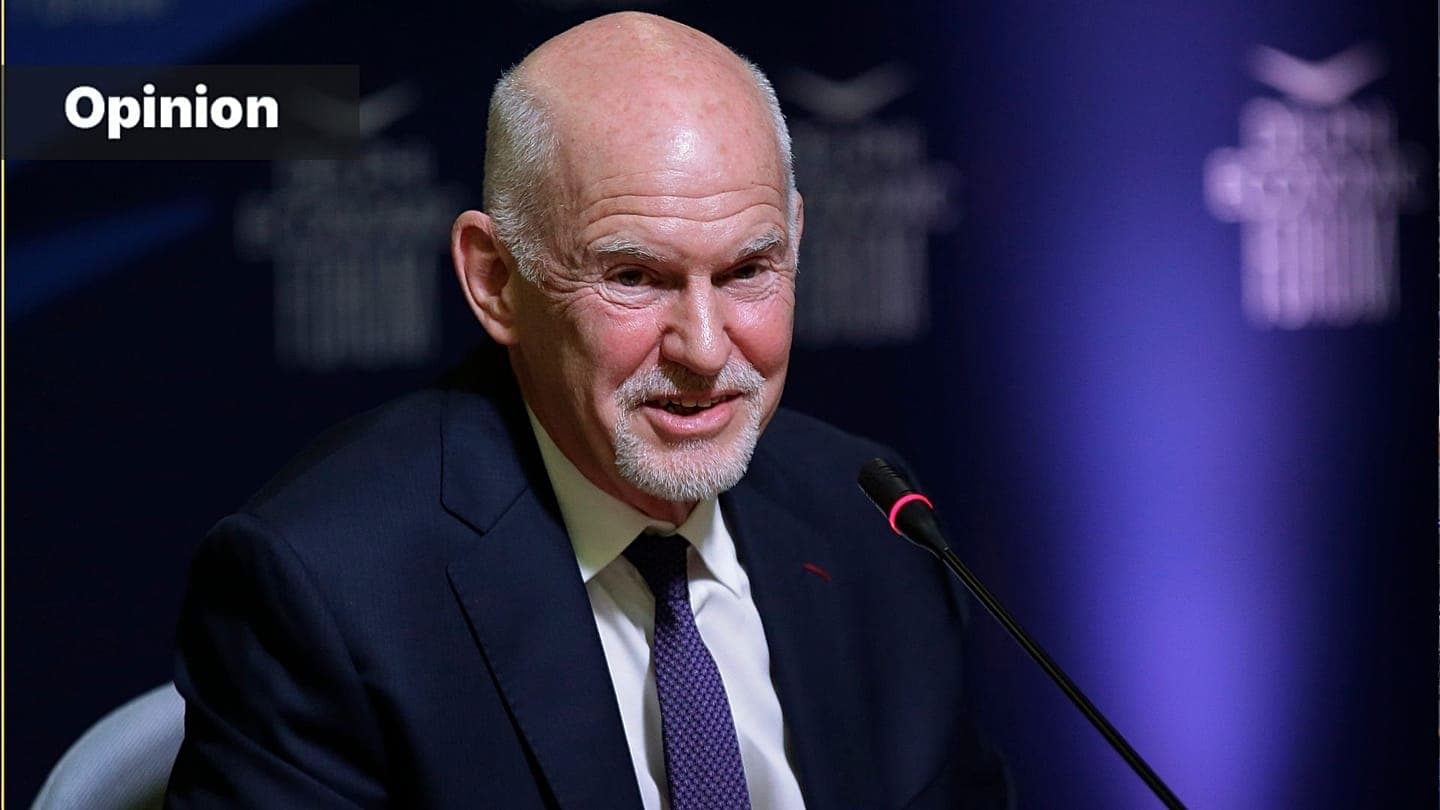
Former Greek Prime Minister George Papandreou published an article in Euronews, in which he urged Europe to heed the warning of Laura Kovesi, who is concluding her term as head of the European Public Prosecutor's Office (EPPO) — the body investigating crimes against the EU's financial interests. According to him, the independent European Public Prosecutor's Office must be supported in its work, not weakened simply because its investigations are inconvenient for influential figures.
Accusations against the Greek government
Papandreou asserts that Kovesi and her colleagues carried out their mission despite political attacks, intimidation, and attempts to undermine their independence. In the former prime minister's view, her statements about the pressure prosecutors faced in Greece require serious responses. He describes the Greek government's actions to obstruct accountability and discredit investigations into the misuse of European funds as 'reprehensible,' and views attempts to divert attention from the core of the investigations as an effort to cover up traces. At the same time, he emphasizes that every person has the right to the presumption of innocence, but no government has the right to hinder the establishment of the truth.
Lesson from the debt crisis and appeal to the new leadership
The former prime minister expresses the conviction that Greece could have avoided the financial support mechanism and memorandaif the European Public Prosecutor's Office and 'its own Laura Kovesi' had existed in Europe before the financial crisis: with the necessary powers, they would, in his opinion, have uncovered the abuses of the previous Greek government before he himself became prime minister in 2009, and would have awakened the European Commission from inaction. This is his personal assessment presented in the article, not an established fact. He advises the new EPPO leadership to defend independence just as firmly and not yield to lobbyists and patronage networks regardless of their political affiliation, while urging European institutions and national governments to provide the body with resources, powers, and practical support: independence on paper, he notes, is insufficient if the institution is weakened by underfunding, delays, or operational obstacles.