The key facts
- In France, about 320,000 people took to the streets; 779 were detained
- In Berlin, 27 police officers were injured; in London, 325 people were detained
- In Austria, the rally outside the parliament in Vienna passed peacefully, without riots
A turbulent weekend in Europe
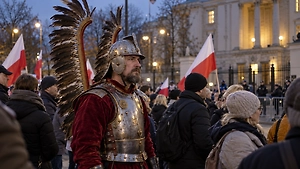
Over the weekend, mass protest rallies took place in seven European countries at once, and in a number of cities the demonstrations ended in clashes with police, arson and riots. Police had to use water cannons, tear gas and rubber bullets, and the number of arrests in some countries ran into the hundreds. This is reported by Life.ru. The reasons for the discontent varied: from the rising cost of living and problems with education to political demands and support for banned organizations.
France: the largest rally and night riots
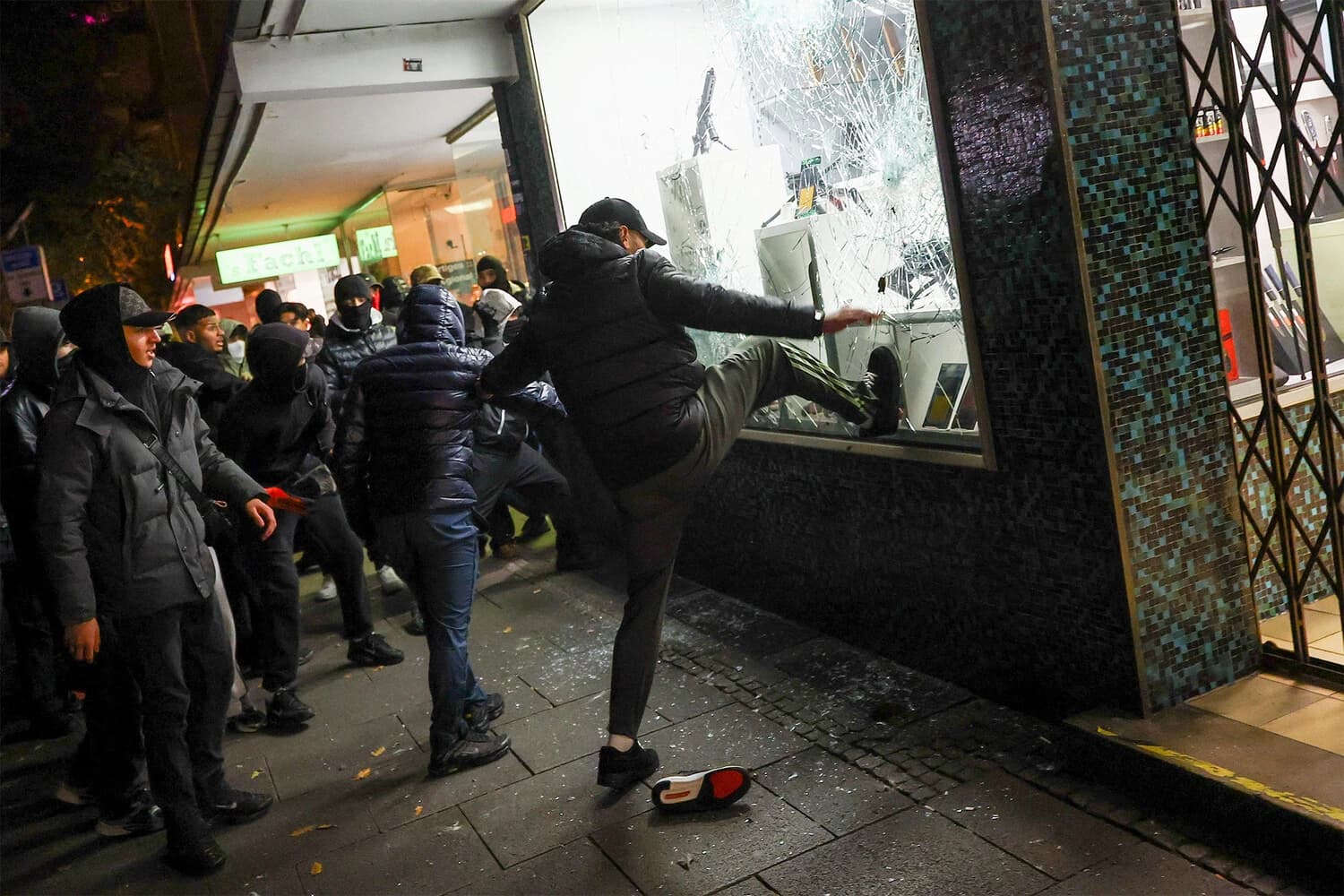
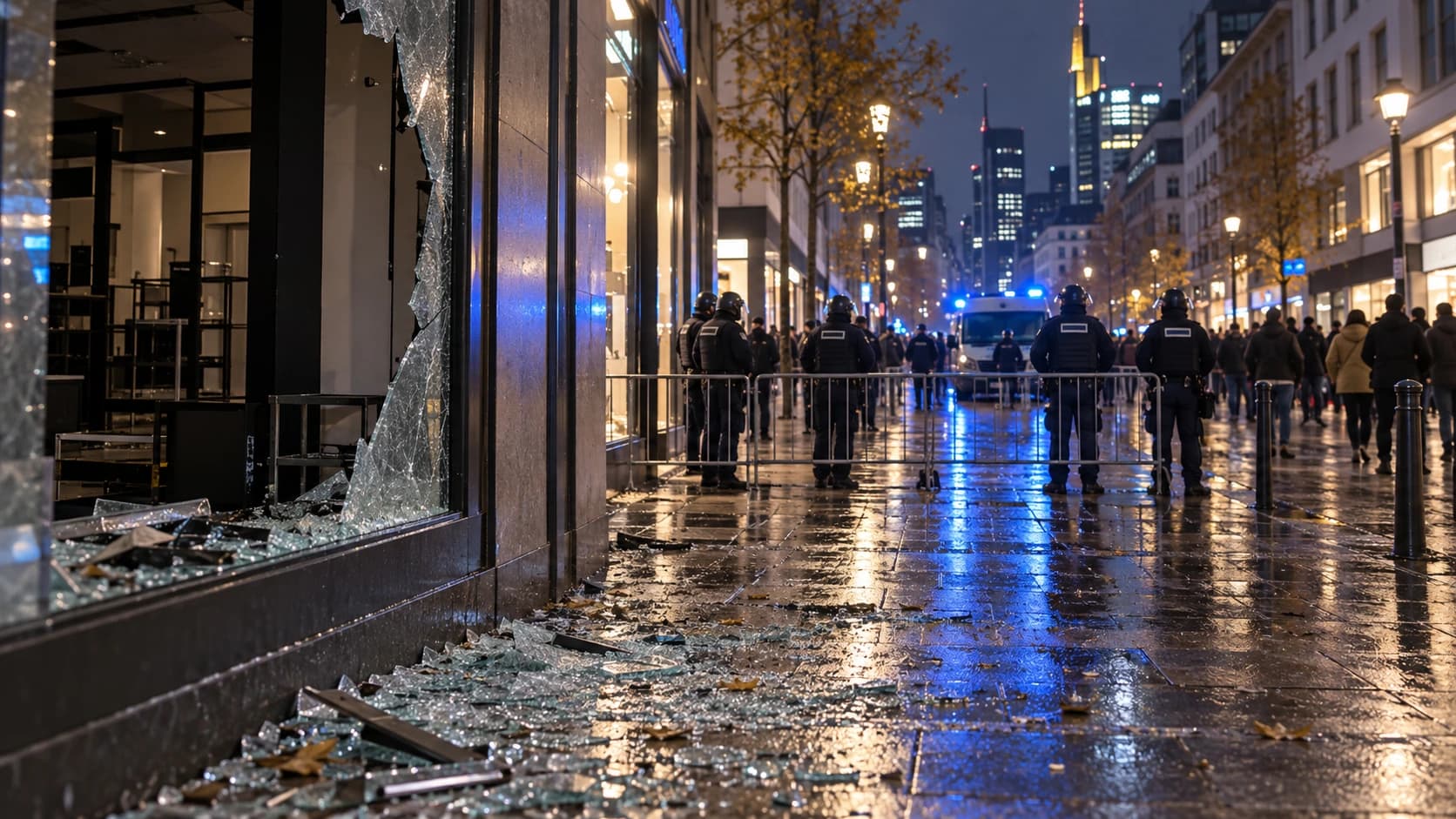
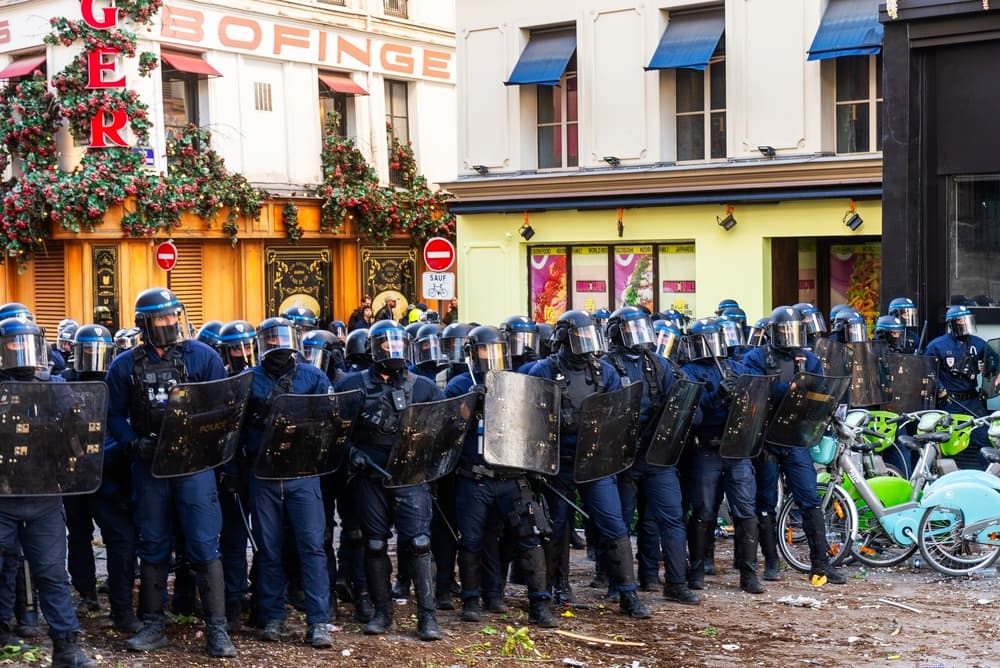
The largest protests took place in France: according to the republic's Interior Ministry, about 320,000 people took to the streets on October 31, including 70,000 in Paris. The marches themselves were mostly peaceful, but after they ended, riots broke out in a number of cities: participants provoked clashes with law enforcement, damaged shops and set fires. By the end of the day and night, authorities reported 779 arrests — 565 before 9:00 p.m. and another 214 during the nighttime Halloween events.
Germany, the Netherlands and Switzerland
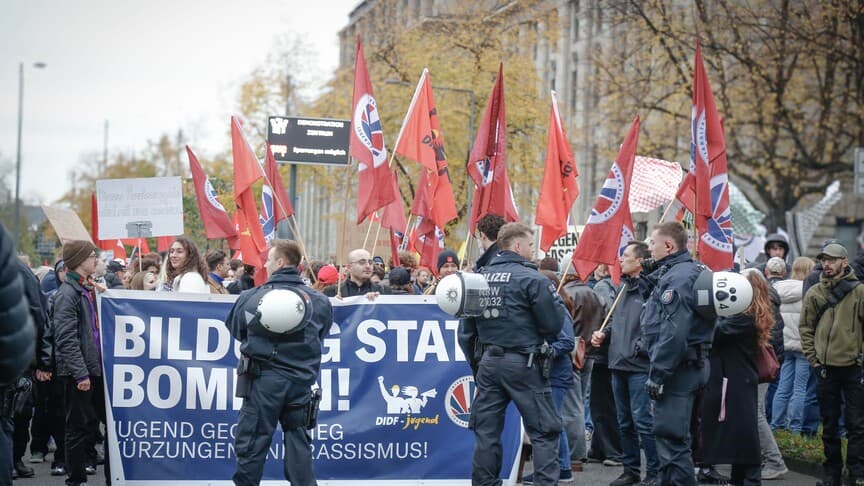
In Germany, youth rallies under the slogan Gen Z regelt took place in more than 30 cities. Demonstrators demanded better education, affordable housing, social support and climate protection, and also spoke out against the possible return of compulsory military service. In Berlin, a separate evening march ended in clashes: stones, bottles and pyrotechnics were thrown at police; according to law enforcement, 27 officers were injured and nearly 60 people were detained. Riots also occurred in Frankfurt, Hamburg and Cologne.
London, Tirana and a calm Vienna
In the United Kingdom, police detained 325 people at a rally outside the American embassy in London in support of Palestine Action, whose activities are banned under British law. Most of those detained are suspected specifically of expressing support for the organization, not of street clashes. In Albania, students, teachers and the opposition demanded in Tirana the resignation of Prime Minister Edi Rama; after stones and Molotov cocktails were thrown, police used water cannons and tear gas, and six people were detained. In Austria, according to the newspaper Der Standard, about a hundred people gathered outside the parliament in Vienna, and police confirmed that the rally passed peacefully — without riots like those in France.
Reactions and assessments
Senator Alexei Pushkov doubted the ability of French President Emmanuel Macron to stop the wave of protests, despite promises to restore order, pointing to reports of attacks on law enforcement officers and the use of Molotov cocktails. He also suggested that external forces may be behind the protest activity — this assessment belongs to the parliamentarian personally and has not been confirmed by other sources.