The key facts
- Chinese electric vehicle exports grew 61% over nine months, wind turbines 45%, batteries 39%, and solar equipment 22% (CREA)
- Export equipment installed in 2026 could 'save' about 450 million tonnes of CO2 annually — roughly equal to Brazil's annual emissions
- Southeast Asia is a key destination: exports there grew by almost 160% (Ember)
Record exports amid an energy crisis
In 2026, China is exporting record volumes of clean energy equipment — from solar panels and wind turbines to electric vehicles and batteries. This is stated in a report by Finland's Centre for Research on Energy and Clean Air (CREA), published on October 29, which Euronews cites. The impetus was the energy crisis caused by the war with Iran: disruptions to shipping through the Strait of Hormuz, through which about a fifth of the world's oil and gas supply normally passes, hit import-dependent Asian countries hardest.
Nine-month figures
In the first nine months of 2026, CREA recorded a 61% increase in electric vehicle exports, a 45% rise in wind turbine shipments, a 39% increase in batteries, and a 22% increase in solar equipment compared with the same period last year. The value of electric vehicle exports reached $72.8 billion, up from $39.7 billion a year earlier — data from the research firm Atlas Public Policy. Southeast Asia became a key destination: according to the Ember think tank, China's clean energy exports to the region grew by almost 160% by September. Notably, exports to the US grew by 13% despite President Donald Trump's elevated tariffs.
Assessing the climate impact
If the trends hold until the end of the year, the lifetime of all clean technology exported in 2026 will prevent about 8.4 billion tonnes of CO2 emissions — roughly 24% of annual global emissions, more than the combined emissions of the US and India. Once installed, the 2026 export products, according to CREA's estimate, will 'save' about 450 million tonnes of CO2 annually — roughly equivalent to Brazil's annual emissions. Lauri Myllyvirta of CREA called the situation 'a turning point for the outlook for global energy and global emissions.' At the same time, independent experts, according to the outlet, considered the estimate consistent with the scale of exports but were unable to verify the underlying data themselves.
What's driving demand and what comes next
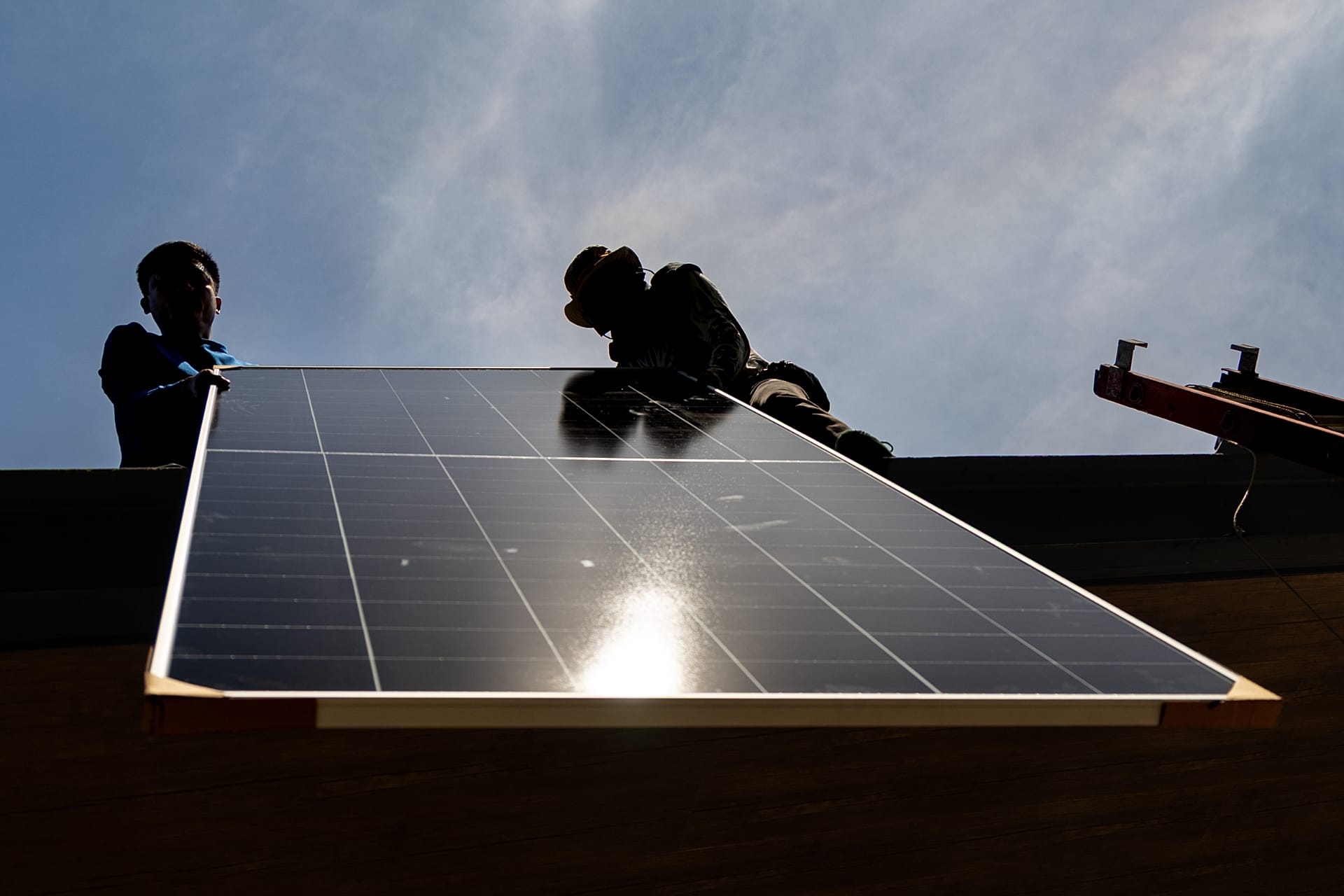
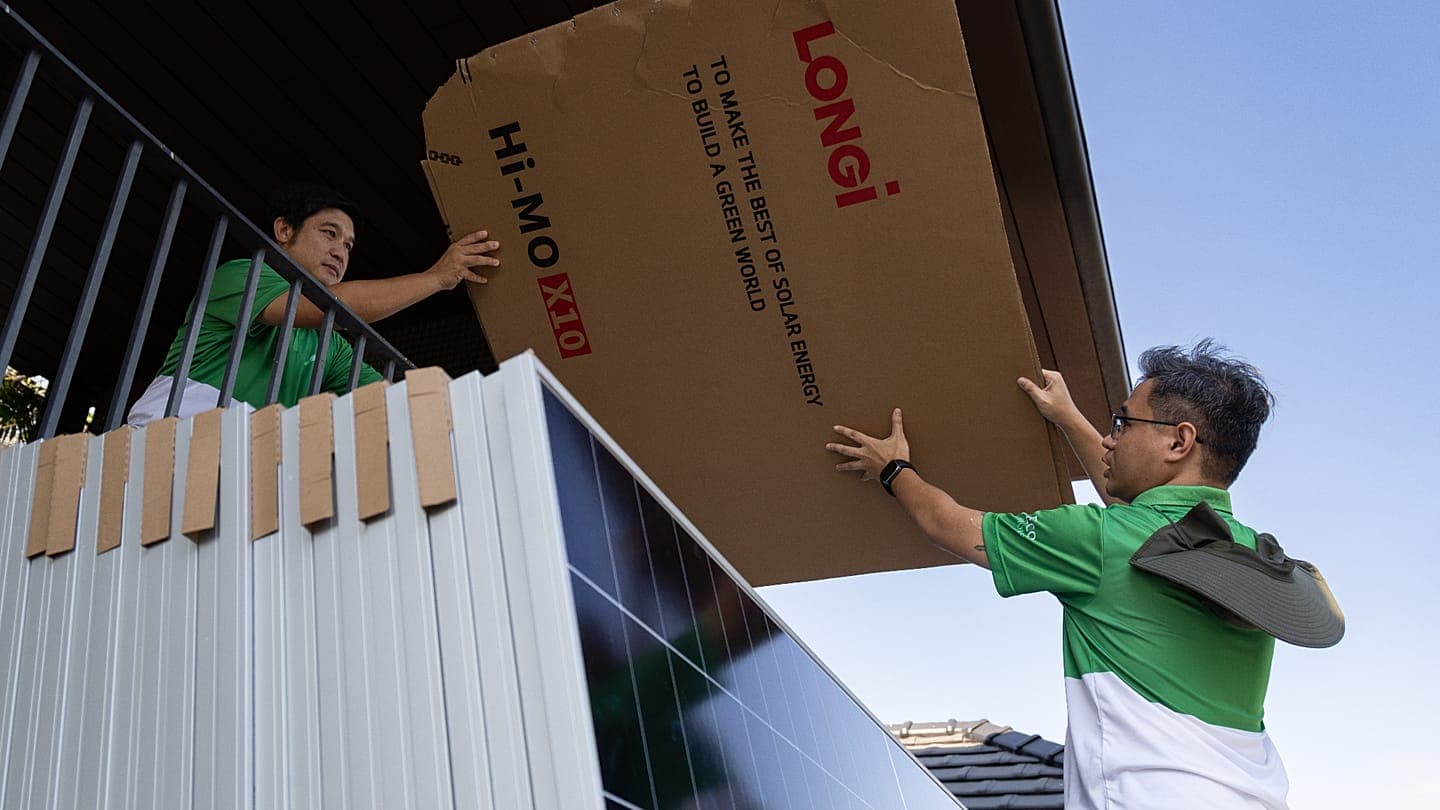
Consumers in Southeast Asia are paying more for electricity and fuel and are switching to renewable alternatives, including rooftop solar panels. Laos, Thailand, and Vietnam have introduced incentives for installing solar panels and buying electric vehicles, the Philippines became the second-largest market for Chinese solar exports in the first quarter of 2026, and Indonesia has pledged to install 100 GW of solar capacity by 2029. Yu Sung Chin of Zero Carbon Analytics believes the heightened interest in clean energy will persist even after the war ends. Context: the report comes amid global efforts to curb climate change remaining insufficient, and in November Turkey will host the annual UN climate talks, where electrification is expected to be one of the main topics.