The key facts
- Buckingham Palace stated that the King's role as Head of the Commonwealth is to 'inspire and unite, not to set policy'
- UK Prime Minister Andy Burnham allows for some form of apology but rules out financial reparations
- Conservative leader Kemi Badenoch called talk of apologies a 'distraction' from current problems
The Palace has distanced the King from political decisions
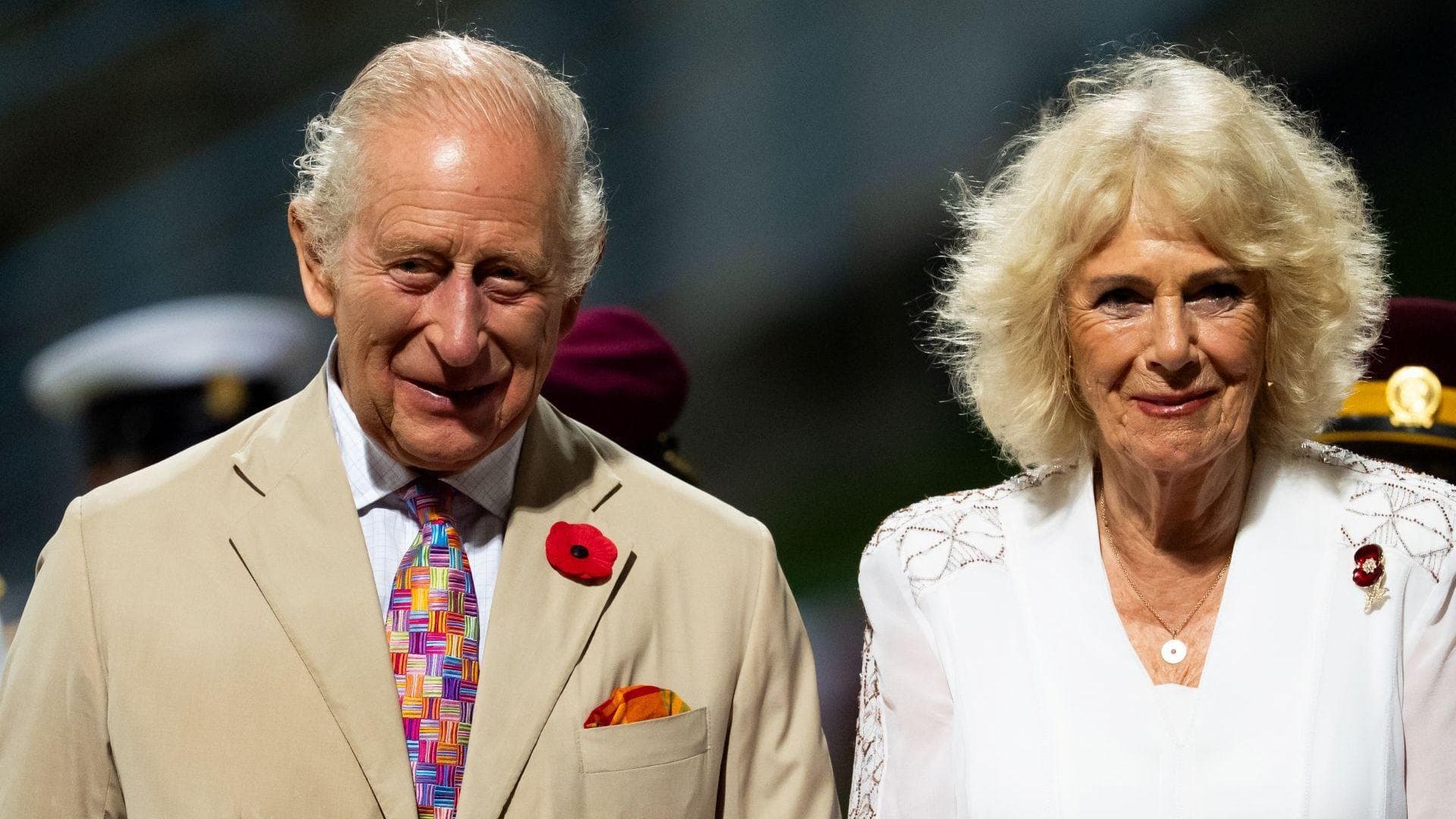
Buckingham Palace has stated, that King Charles III's role as Head of the Commonwealth is to 'inspire and unite, not to set policy'. The statement, clarifying the non-political nature of this role, was published amid disputes over whether Britain should apologise for its involvement in the Atlantic slave trade and pay reparations — just as Commonwealth leaders gather for a summit in Antigua and Barbuda (according to BBC News).
The King's speech and the politicians' positions
On Tuesday the King will deliver a speech in which, it is expected, he will acknowledge the painful legacy of slavery; however, its content must reflect the position of the UK government: the monarch speaks on the advice of ministers, so any formal apology or step towards reparations would be a decision for political leaders, not the King. The Palace's statement effectively removes expectations of such intervention — instead, the King is described as a unifying figure standing 'above' such disagreements, and the Commonwealth as a 'family' of nations.
A divide in British politics
Prime Minister Andy Burnham has allowed for the possibility of some form of apology, saying that Britain 'must face up to the past' and calling the slave trade 'a cruel and barbaric wrong', but he ruled out financial reparations. Conservative Party leader Kemi Badenoch rejected 'endless talk of apologies' as a 'distraction' from solving today's problems. The British government has never formally apologised for slavery or offered payments. Gaston Browne, Prime Minister of Antigua and Barbuda, whose country is hosting the summit, argues that the consequences of slavery 'have not disappeared over time' and advocates discussing reparations.
Context of the Caribbean tour
In Antigua, the King is expected to express his 'heartfelt sorrow': last week in the Bahamas he already spoke of 'the great suffering of the past'. Earlier on his Caribbean tour he used even stronger language — for example, speaking of his 'greatest sorrow and regret' over the 'abhorrent and unjustifiable acts of violence' of the colonial era during a visit to Kenya, as well as visiting in Guyana the site of a slave uprising.
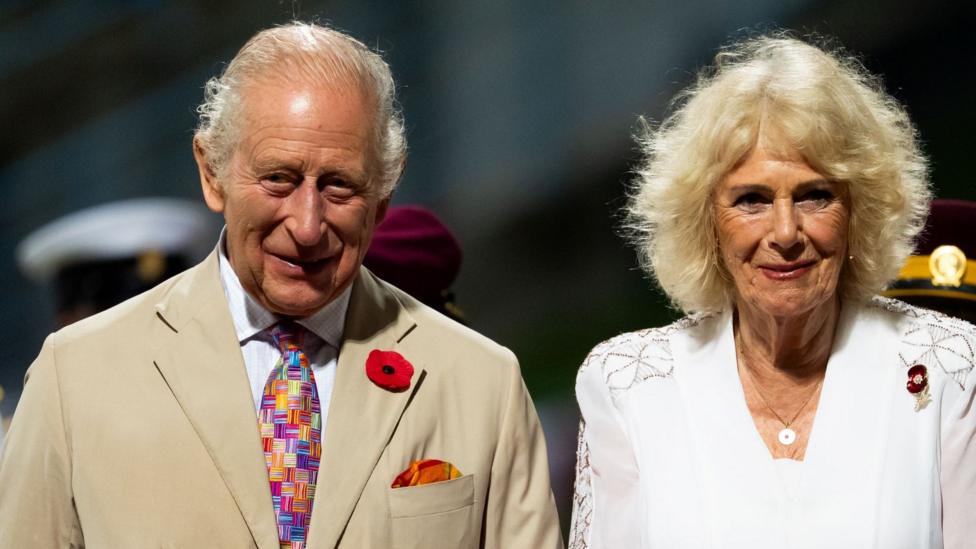 Image source, Press Association
The King and Queen are in Antigua for the Commonwealth gathering