The key facts
- Abu Dhabi and OpenAI are launching the world's first Machine-Readable Government initiative: part of the regulations is being converted into machine-readable form, with the first pilot at Adafsa, which controls food imports
- Abu Dhabi and OpenAI launch the world's first Machine-Readable Government initiative: part of the regulations is converted into a machine-readable format, with the first pilot being Adafsa, which controls food imports
- Mubadala and Inception42 have signed an agreement with OpenAI for investment analysis; Inception42 and OpenAI concluded a five-year agreement to deploy the Frontier platform in the public sector, business and education
- The technology runs on GPT models with inference infrastructure hosted in the UAE; officials retain responsibility for final decisions
- The technologies run on GPT models with inference infrastructure hosted in the UAE; officials retain responsibility for final decisions
A package of agreements after the meeting with Altman
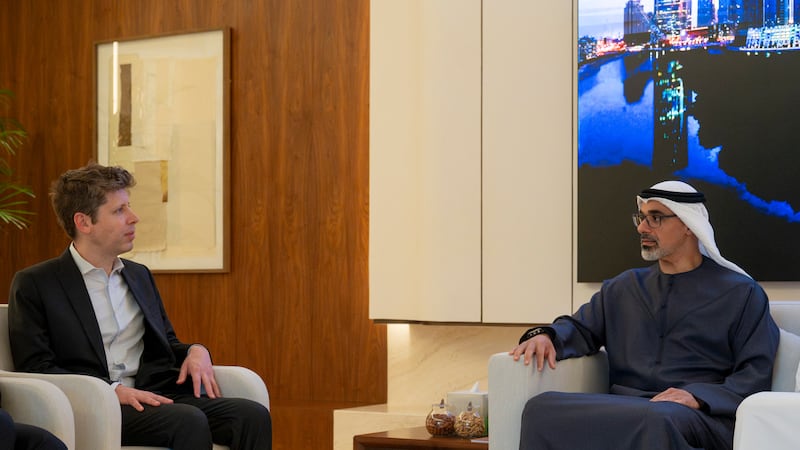
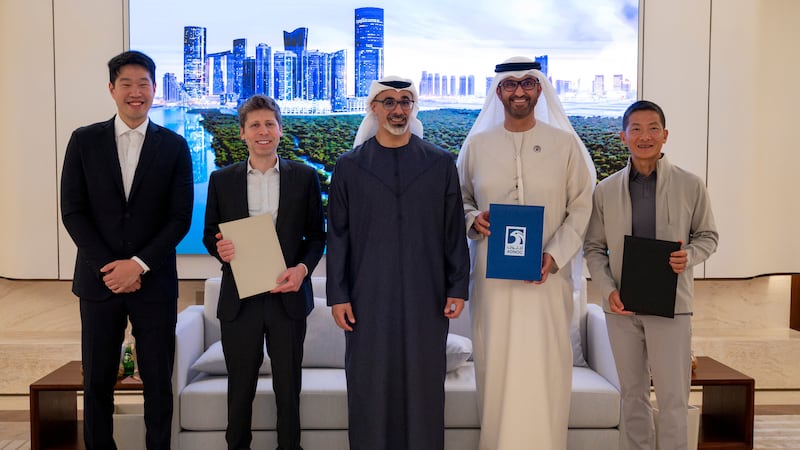
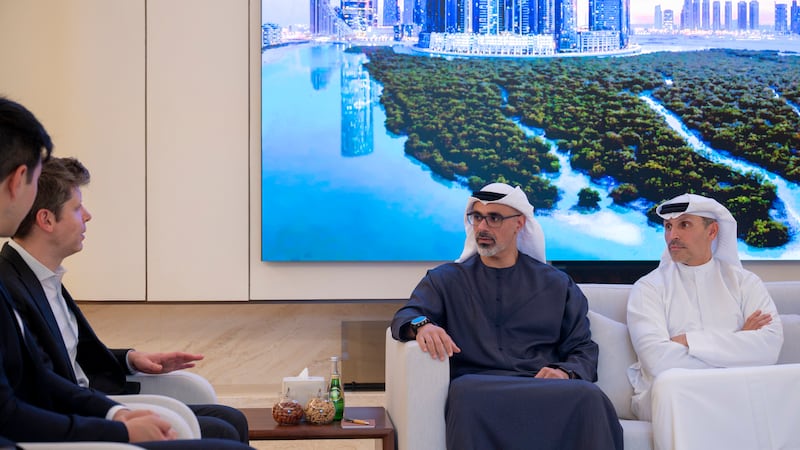
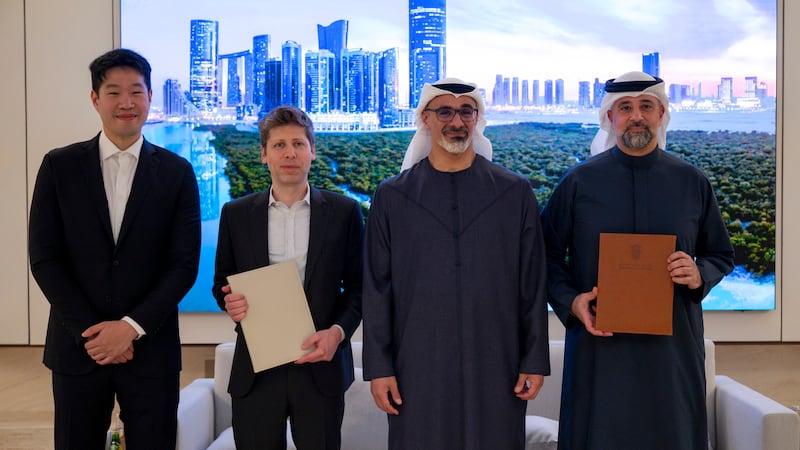
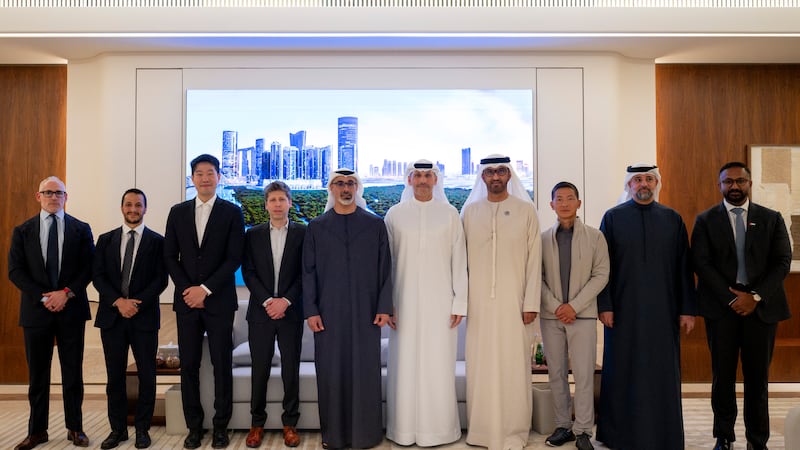
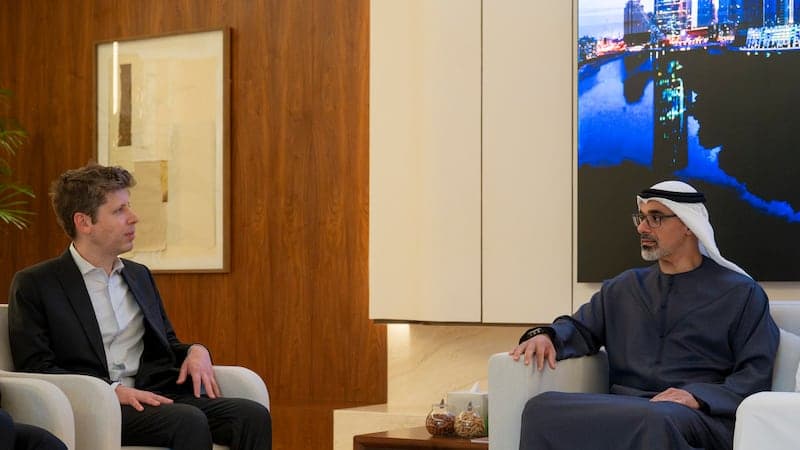
Abu Dhabi has concluded a series of agreements with OpenAI covering the public sector, investment, food and education. The deals were signed after a meeting between the Crown Prince of Abu Dhabi, Sheikh Khaled bin Mohamed, who chairs the emirate's Executive Council, and OpenAI chief executive Sam Altman. According to The National, Altman called the UAE's approach a 'bold global standard' for integrating AI in the public and private sectors and said the company is 'proud to support the UAE's ambitions' related to safety, accessibility and responsible innovation.
Machine-Readable Government: regulations for AI
The central element of the package is the world's first AI-native Machine-Readable Government (MRG) initiative, a step towards Abu Dhabi's goal of becoming the world's first 'AI-native' government. A defined set of government policies and regulations is being converted into machine-readable form so that AI-based systems can help officials with routine regulatory compliance assessments — for example, when issuing permits and certificates. Every assessment is traceable to the underlying rule, while final decisions and accountability remain with civil servants. The project is led by the Department of Government Enablement (DGE); the first pilot is already running at the Agriculture and Food Safety Authority (Adafsa) and concerns food imports. The technology runs on OpenAI's GPT models with inference infrastructure hosted in the UAE.
Investment, energy and a five-year partnership
Mubadala and Inception42 (a subsidiary of G42) have signed an agreement with OpenAI on applying advanced AI capabilities to investment analysis, opportunity identification and risk assessment — with the aim of better-informed investment decisions. A separate five-year agreement between Inception42 and OpenAI provides for the deployment of the Frontier platform in government, the corporate sector and education: the parties will build enterprise solutions for major UAE organisations, combining Frontier and OpenAI's engineering expertise with Inception42's applied AI capabilities and consulting programmes. As The National notes, Sheikh Khaled was also present at the signing of the agreement between Adnoc, OpenAI and G42 — the oil company will become the first energy company to deploy the Frontier technology.
Context: talent training and the digital strategy
The agreements complement previously announced initiatives. In September, the UAE cabinet approved an AI curriculum for all public and private schools; according to the Wam news agency, Vice President, Prime Minister and Ruler of Dubai Sheikh Mohammed bin Rashid announced plans to train 22,000 teachers to work with AI. Earlier this month, Abu Dhabi, together with OpenAI and Microsoft, launched the AiNative programme for 20,000 civil servants and the general public: participants learn to work with ChatGPT, Codex and Microsoft 365 Copilot through the Tomouh app, and the curriculum, developed with OpenAI, Microsoft and MBZUAI, belongs to the DGE. All of this is embedded in the Digital Strategy 2025–2027, under which the DGE is directing AED 13 billion ($3.5 billion) into digital infrastructure, full automation of government services and sovereign cloud computing; the strategy's expected contribution to Abu Dhabi's economy by 2027 is more than AED 24 billion and over 5,000 jobs.