The key facts
- Character.ai, founded in 2021 by ex-Googlers, filed for bankruptcy in early October; Disney offered $20 million for a license to part of its intellectual property
- According to S&P Global Market Intelligence, about 42% of AI initiatives are abandoned by their parent companies
- OpenAI shut down standalone products — Atlas, Operator, Sora — and folded their features into ChatGPT
The growing 'AI graveyard'
TechCrunch maintains a continuously updated list of AI projects, startups, and products that have been shut down, changed course, or notably failed to live up to expectations. The latest update was prompted by two events: the bankruptcy of the chatbot platform Character.ai, filed in early October — five years after launch — and the announced closure, a few weeks earlier, of the private AI assistant Ollie.
The scale of the problem
According to S&P Global Market Intelligence figures cited by TechCrunch, about 42% of AI initiatives are ultimately abandoned by the companies that launched them. The reasons vary: lack of funding, technical difficulties, competition, challenges with scaling, or weak user demand. The authors emphasize that the list is less a 'scoreboard of failures' than a record of lessons for the industry.
Character.ai: from a $1 billion valuation to bankruptcy
Character.ai was founded in 2021 by former Google researchers Noam Shazeer and Daniel De Freitas. The app allowed users to chat with customizable bots, many of which imitated celebrities and fictional characters. In 2023, the startup raised $150 million at a $1 billion valuation, and a year later Google, according to reports, paid $2.7 billion for a license to the technology and brought the founders back into its orbit — the company continued operating without them.
Lawsuits and the Disney deal
Character.ai had difficult years: families filed lawsuits claiming that chatbots contributed to teen suicides and self-harm, and Disney sent a cease-and-desist letter over the unauthorized use of its characters. Late last year, the platform barred users under 18 from open chats, and in early 2026 it agreed, along with Google, to settle several lawsuits. That did not save the company: in early October it filed for bankruptcy, citing legal, regulatory, and operational difficulties. Ironically, the stalking-horse bidder is now Disney, which offered $20 million for a license to part of the intellectual property. The app continues to operate during the bankruptcy process, and the deal is expected to close by late November or early December.
Even leaders stumble: OpenAI
OpenAI, one of the world's most valuable private companies, has also suffered losses. On July 9, the company updated ChatGPT, merging several modes — 'Chat', 'Codex', and 'Work' — and renaming the familiar version 'ChatGPT Classic'. Users criticized the cluttered interface, and the redesign was quickly rolled back. OpenAI is shutting down standalone products and folding their features into ChatGPT: the ChatGPT Atlas browser lasted less than a year and was discontinued on August 9, the Operator agent met the same fate, and DALL-E's role as a standalone service is shrinking as image generation is embedded into ChatGPT. The video platform Sora, which suffered from high operating costs and user retention problems, shut down in March 2026.
Apple and Microsoft failures, and hardware missteps
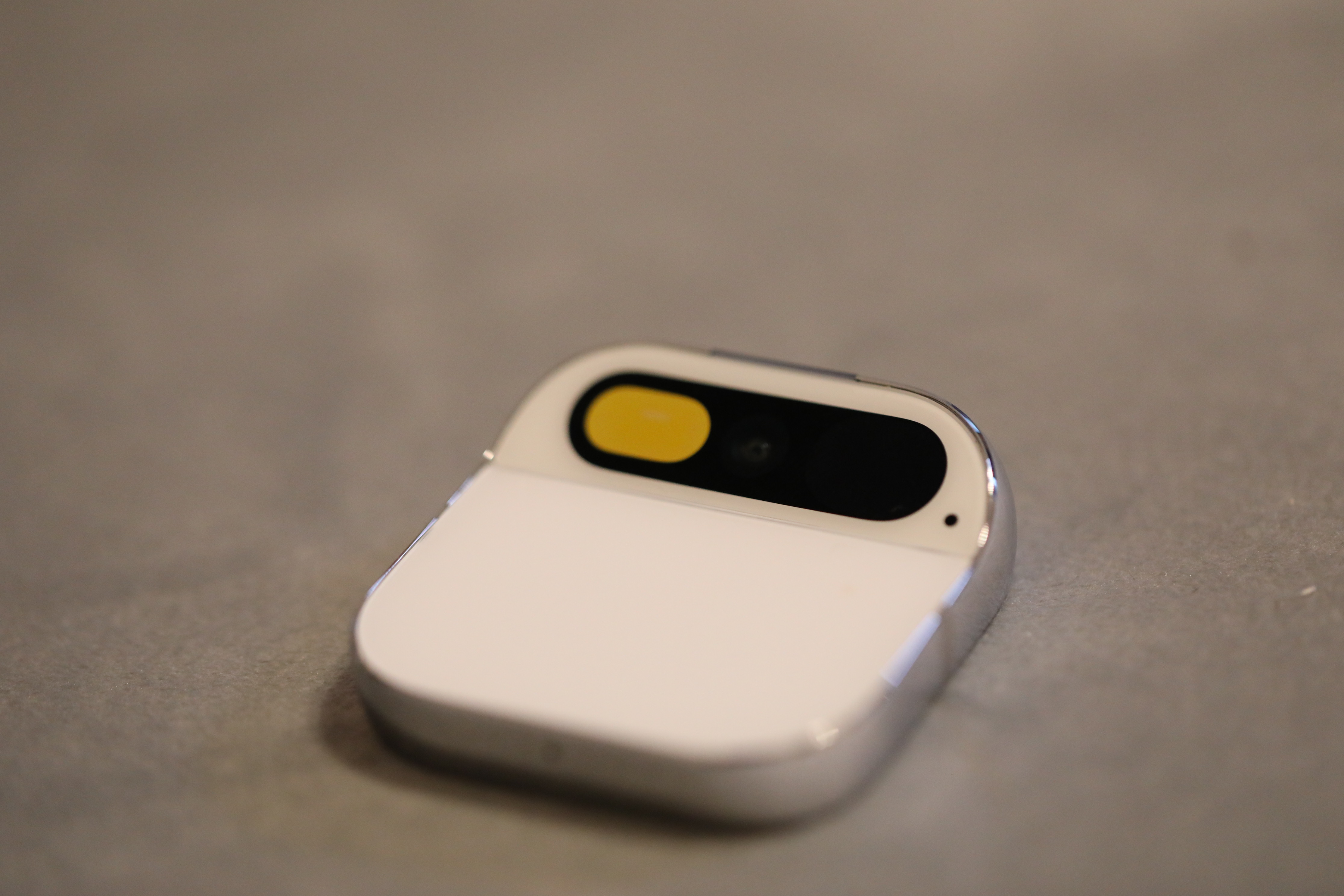
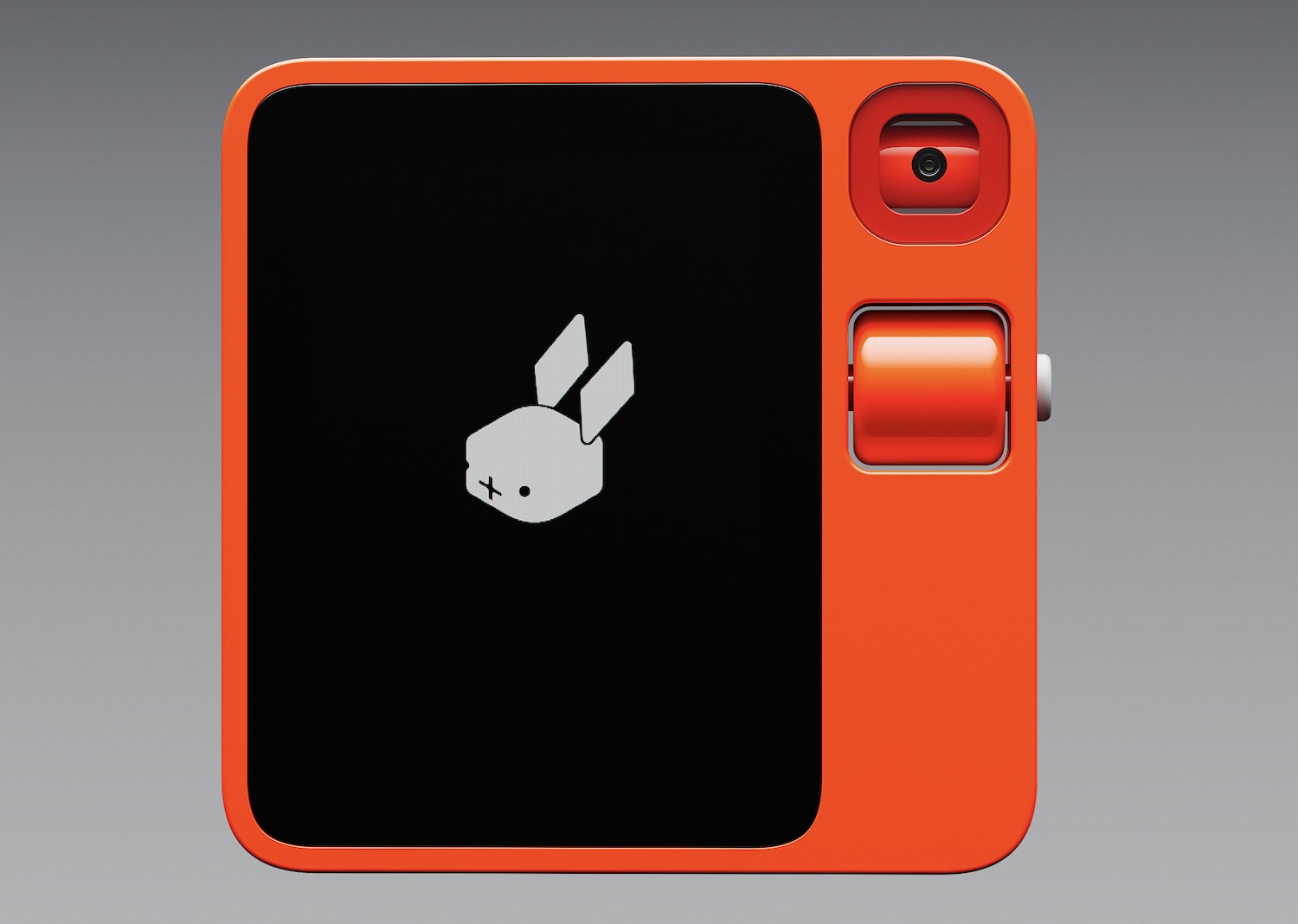
Apple delayed the release of the promised new Siri for years, contributing to a $250 million settlement over lawsuits about the marketing of the iPhone 16's AI capabilities. Siri AI appeared in the iOS 27 beta in July and began rolling out to English-speaking users this month. Microsoft announced Recall at Build 2024 — a 'photographic memory' feature for Windows — which drew a storm of criticism over privacy risks; the feature was delayed by nearly a year, but recently a cybersecurity researcher created a tool that extracts Recall-captured data, renewing questions about whether the problem has been solved. In hardware, the Humane AI Pin gained notoriety: it raised $230 million but was shut down in February 2025 after a battery fire risk warning (HP bought its assets for $116 million), as was the Rabbit R1, which critics called raw — though Rabbit continues to update the device and has announced a new project, Project Cyberdeck.