The key facts
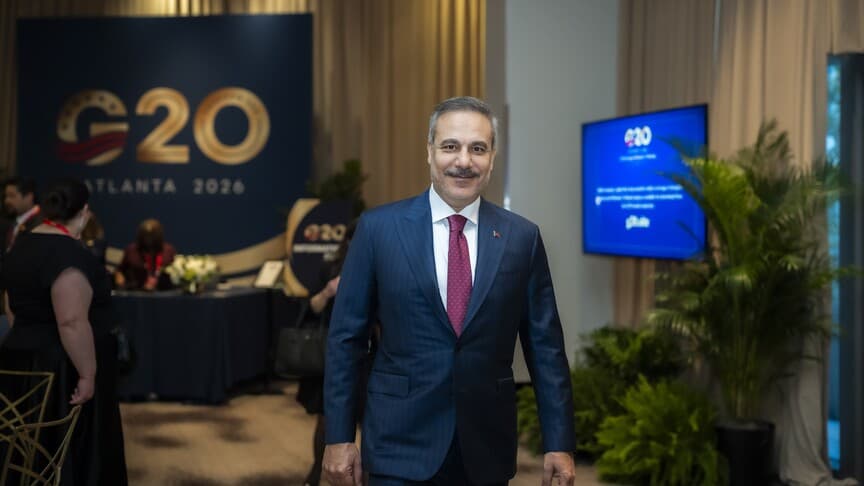
- Hakan Fidan, at the G20 meeting in Atlanta, called on Russia and Ukraine to reach an agreement, warning of the risk of the conflict expanding.
- According to him, the closure of the Strait of Hormuz has worsened the economic consequences of the war, and grain shipments through the Black Sea have been disrupted.
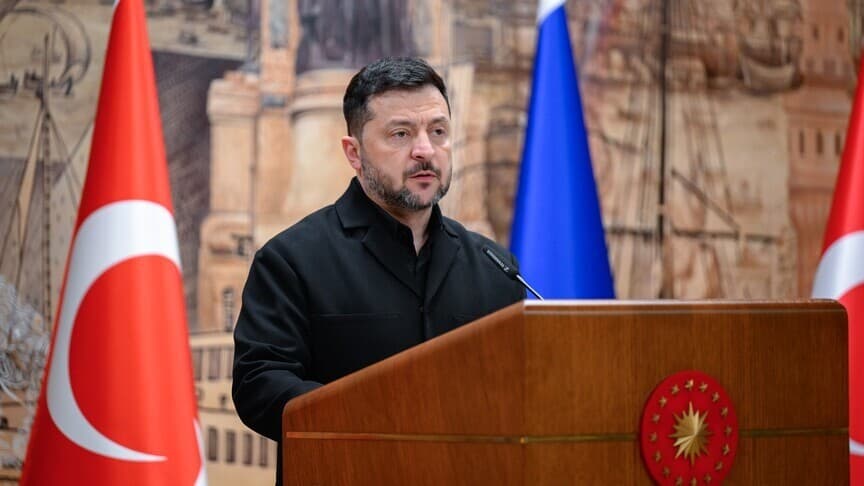
- The same day, Erdogan held a meeting in Istanbul with Volodymyr Zelensky, who was in Turkey on a working visit.
A call for an agreement on the sidelines of the G20
Turkish Foreign Minister Hakan Fidan on Saturday, October 31, called on Russia and Ukraine to agree on peace, warning that the war, now nearly five years old, has inflicted enormous damage on the global economy and carries the risk of further regional escalation. He made his remarks in interviews with Anadolu and Turkey's state television channel TRT on the sidelines of the meeting of foreign ministers of the G20 in Atlanta, USA.
The economy, Hormuz and the Black Sea
“These wars are no longer sustainable. Therefore, Russia and Ukraine must reach an agreement,” Fidan said, adding that the economic and social costs of the conflict are becoming increasingly difficult to ignore, especially for European countries. In his assessment, a lasting settlement will require not only peace between Moscow and Kyiv but also a redefinition of Russia's relations with Europe: any agreement, he said, will not be limited to the two countries, and Europe will have to “come to terms with Russia and restart certain aspects of the relationship.” Separately, the minister noted that the closure of the Strait of Hormuz, which resulted from the dispute between the United States and Iran, has significantly worsened the economic consequences of the Ukrainian war, disrupting energy supplies and international trade; the interconnectedness of the global economy, he noted, makes it increasingly difficult to calculate the full financial damage. European industry, he said, long benefited from relatively cheap Russian energy, and the severing of these ties has had far-reaching consequences. He also called for the US–Iran dispute to be resolved as soon as possible and for key trade routes to be restored. Turning to the Black Sea, Fidan expressed concern about disruptions to commercial shipping: Russian and Ukrainian grain and energy supplies are struggling to reach world markets. “Food security is an incredibly problematic issue. It needs to be stopped as soon as possible,” he said, adding that Turkey is conducting intensive diplomatic contacts to facilitate grain exports.
Warning of the war's expansion and a meeting in Istanbul
Fidan stated that many scenarios of the war's expansion that Turkey had previously feared have already materialized. “If we do not stop it, the conflict may expand further — a scenario we definitely do not want. Frankly, we are warning both international and regional players about this. For our part, we will continue to do everything possible,” Anadolu quoted him as saying. Turkey, leveraging its relations with both sides, continues to position itself as a diplomatic mediator. On the same day, Saturday, Turkish President Recep Tayyip Erdogan held a meeting in Istanbul with Ukrainian leader Volodymyr Zelensky, who was in Turkey on a working visit, against the backdrop of Ankara's ongoing diplomatic activity regarding the war.